
How Dog Waste Removal Reduces Parasites in Yards

Dog waste isn't just gross - it's dangerous. It can harbor millions of bacteria and parasites like roundworms, hookworms, and Giardia, which can infect pets, humans, and even your yard's soil for years. Regular waste removal is key to stopping these parasites from spreading and reducing health risks.
Key Takeaways:
Parasites in dog waste: Roundworms, hookworms, and Giardia can cause severe health issues in both pets and humans.
Health risks: Parasites can lead to anemia, diarrhea, organ damage, and even blindness in rare cases.
How parasites spread: Eggs and larvae can survive in soil for years, spreading through rain, shoes, or lawnmowers.
Why quick removal matters: Removing waste within 24–48 hours stops eggs from becoming infectious.
Professional services: Companies like Doody Bug Poop Scooping ensure thorough cleanup, sanitization, and odor control.
By cleaning up waste promptly and consistently, you break the parasite cycle, protect your family, and keep your yard safe. For busy households, professional services offer a reliable, hands-off solution.
Can you get worms from your Dog?! 3 Steps to help stop the worm spread.
Parasites in Dog Waste and Their Health Risks
Dog waste is more than just an unpleasant mess - it’s a breeding ground for parasites that can harm both pets and humans. Some of the most common offenders include roundworms (Toxocara canis), hookworms (Ancylostoma), whipworms, tapeworms, and protozoa like Giardia. Each of these parasites comes with its own set of health dangers.
For dogs, roundworms can lead to malnutrition, stunted growth, and a distinct potbellied appearance. In severe cases, they can even cause life-threatening intestinal blockages, particularly in puppies. In fact, nearly all puppies in the U.S. are born already infected with roundworms. Hookworms, on the other hand, latch onto the intestinal walls, causing anemia, pale gums, and tar-like diarrhea. Whipworms are another concern, irritating the colon and leading to symptoms like bloody diarrhea and weight loss.
Humans aren’t immune to the risks either. Roundworm eggs can contaminate soil, and if ingested, the larvae can migrate through various organs, causing severe damage or even blindness. Hookworm larvae can penetrate bare skin, often through the feet, resulting in red, itchy tracks on the skin - known as cutaneous larva migrans. Giardia is another threat, spreading quickly through contaminated water or soil and causing severe digestive issues.
The resilience of these parasites in the environment only adds to the problem, making immediate waste cleanup critical.
How Parasites Live in Yard Soil
When dog waste breaks down, the parasites it contains don’t simply disappear - they settle into the soil and remain active. Roundworm and whipworm eggs are particularly hardy, surviving for years in yard soil despite changing weather or attempts to disinfect. Hookworm eggs can hatch into infective larvae in as little as nine hours when temperatures hit 98.6°F (37°C).
Certain areas of your yard, like shaded spots under bushes or near fences, are perfect for these parasites to thrive. Moisture and lack of direct sunlight create the ideal conditions for their survival. Roundworm eggs, for instance, take just 1–4 weeks to become infective, putting children and pets who play in these areas at risk.
This persistence in soil creates an ongoing cycle of contamination, making it easier for these parasites to spread.
How Parasites Spread Through Yards
Once parasites settle into your yard’s soil, they can spread quickly and widely. Rainwater can carry eggs and larvae across your lawn, into storm drains, and even into untreated waterways that may be used for drinking or recreation. A single rainstorm can turn a small contamination problem into a much larger one, affecting the surrounding community.
Mechanical spread is another major factor. Lawn mowers, for example, can chop up waste and fling microscopic pathogens across your yard. As Poo Squad notes, “Mowing over dog waste aerosolizes bacteria and spreads it across your lawn”. Shoes, pet paws, and even insects can also transport these parasites from contaminated areas into your home. Walking barefoot in areas where pets defecate increases the risk of hookworm larvae penetrating your skin.
Here’s a quick overview of the parasites, their survival abilities, and how they impact both humans and dogs:
Parasite | Survival in Environment | Primary Transmission to Humans | Effect on Dogs |
Roundworms | Years (highly resistant) | Accidental ingestion of contaminated soil/sand | Malnutrition, potbelly, coughing |
Hookworms | Months (thrive in moist soil) | Skin penetration (walking barefoot) | Anemia, bloody diarrhea, weight loss |
Whipworms | Years (resistant to heat/drying) | Not infectious to humans | Severe bloody diarrhea, debilitation |
Giardia | Weeks to months in soil/water | Ingestion of contaminated water or soil | Diarrhea, vomiting, weight loss |
How Regular Waste Removal Stops Parasites
Breaking the parasite cycle starts with removing waste before eggs become infectious. By picking up dog waste within 24 to 48 hours, you eliminate it before roundworm and hookworm eggs have a chance to develop into their infective stage. This is a crucial window because once those eggs mature in the soil, they can remain viable for years, continuing to spread and pose risks.
Consistency in waste removal is more important than many homeowners realize. Leaving even a few piles behind gives parasites the opportunity to establish themselves in your yard. Regular cleanup helps prevent contamination during everyday activities like mowing the lawn or playing with your dog. Preston Turano, DVM, explains how easily parasites can spread:
"Unbeknownst to you, the ball rolled over a pile of poop that was covered by grass... you pick it up and toss it again, not knowing that you have roundworm eggs on your hand."
By removing waste promptly, you stop parasites from spreading through your yard and into your home.
Why Professional Scooping Services Work Better
While timely waste removal is key, professional services offer an added layer of protection. Companies like Doody Bug Poop Scooping ensure thorough coverage, targeting areas homeowners often overlook - such as under bushes, along fences, and in tall grass where parasites tend to thrive.
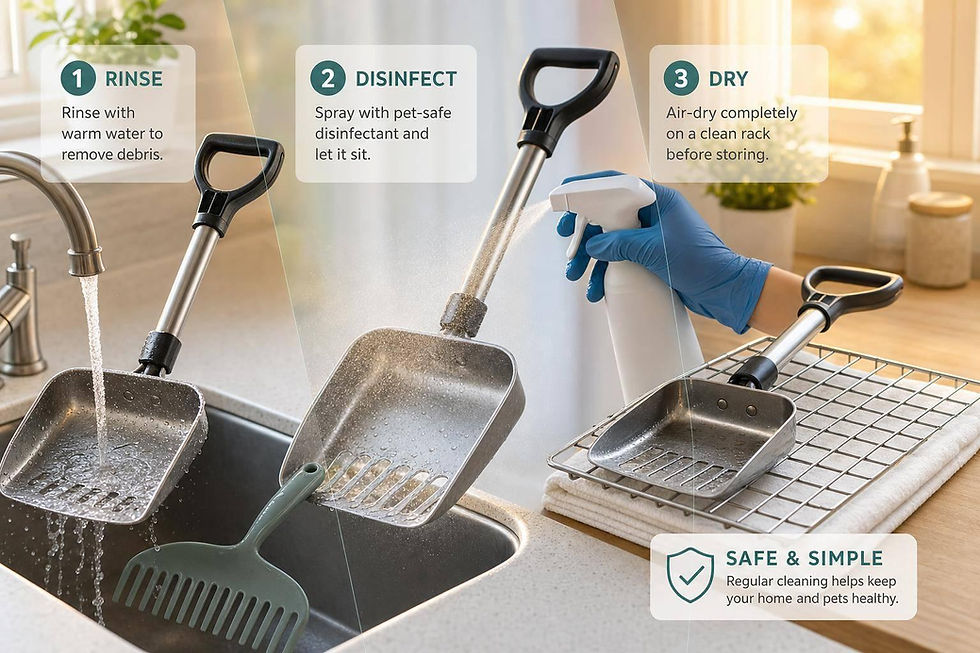
One major benefit of professional services is their focus on hygiene practices. For example, Doody Bug sanitizes their tools between each yard visit using professional-grade disinfectants like KennelSol, which helps prevent cross-contamination between properties. They also use deodorizing treatments like Wysiwash to reduce microbial loads in the soil, addressing contamination at a deeper level than DIY cleanup methods can achieve. Without these measures, tools and shoes used during cleanup can unintentionally spread parasites to other parts of your yard.
Another advantage is the consistency professional services provide. Whether it’s rain or shine, weekly or twice-weekly visits ensure waste is removed before parasite eggs have a chance to mature. For homeowners in the greater Houston and Tomball areas, services start at $16 per week, with an additional $3 charge per extra dog. This affordable option not only keeps your yard parasite-free but also saves you the effort of bending, lifting, and handling waste yourself.
Why Quick Removal Matters
When it comes to controlling parasites, timing is critical. Hookworm eggs, for instance, can hatch into infective larvae in as little as nine hours when temperatures reach 98.6°F (37°C). Roundworm eggs, on the other hand, become infectious within just 1–4 weeks. Every day waste is left behind increases the risk of contamination.
Quick removal also helps limit the spread of waste-borne bacteria and parasites beyond your yard. For example, just 2 to 3 days of waste from 100 dogs can release enough bacteria to close 20 miles of a bay-watershed to activities like swimming and shellfishing. In residential areas, rain can wash parasite eggs into storm drains, spreading contamination far beyond your property. By promptly removing waste, you’re not only protecting your family and pets but also contributing to broader community health.
The longer waste sits, the deeper parasite eggs can burrow into the soil, making them incredibly difficult to eliminate without professional treatments. Same-day or next-day removal prevents this from happening, ensuring your yard remains safe for activities like barefoot play and outdoor gatherings. This immediate action works hand-in-hand with regular yard maintenance to create a strong defense against parasite growth, setting the foundation for a safer outdoor environment.
Sanitizing and Deodorizing for Parasite Control
Sanitizing and deodorizing are crucial steps in completing the parasite prevention process, which begins with removing waste promptly. While waste removal stops the immediate spread of parasites, thorough sanitizing eliminates any lingering pathogens. Microscopic threats like E. coli, Salmonella, and Giardia can survive in grass and soil for long periods, posing ongoing health risks. Shockingly, up to 99% of fecal bacteria on outdoor surfaces can transfer indoors via shoes or pet paws, contaminating clean floors. This makes sanitizing treatments a key component in breaking the cycle of infection.
Using Sanitizing Products to Kill Parasites
To effectively combat parasites, professional-grade disinfectants like Wysiwash and KennelSol are highly effective. These EPA-registered products can destroy 99.999% of germs in as little as 60 seconds by breaking down the cell walls of bacteria and viruses. Unlike common household cleaners that only mask odors, these disinfectants tackle waste at a microbial level, breaking down organic matter that harbors parasites.
Some pathogens, like parvovirus, are particularly tough and can survive in yard soil for months. Standard cleaning methods often fall short against such resilient threats, but hospital-grade disinfectants can handle them. To sanitize effectively, use a hose-end sprayer to apply the solution thoroughly to the soil. Let the area dry completely before allowing reentry. Beyond killing pathogens, sanitizing also helps control odors, enhancing the overall hygiene of your yard.
Deodorizing Treatments for Odor Control
Deodorizing treatments do more than just mask unpleasant smells - they neutralize the bacteria causing them. Products like calcium hypochlorite are especially effective for this purpose. For example, Doody Bug offers deodorizing services for $15 per application, using solutions like Wysiwash to reduce microbial loads in the soil. These treatments are particularly helpful in the summer, when heat speeds up waste decomposition and intensifies odors.
Given that an average dog produces around 275 pounds of waste annually, regular deodorizing not only keeps your yard smelling fresh but also prevents harmful pathogens from being washed into storm drains during rainstorms. This simple step can help protect local water supplies while maintaining a clean and hygienic outdoor space.
DIY Removal vs. Professional Services
Keeping your yard safe and clean starts with effective waste removal, whether you take on the task yourself or hire professionals. The choice between DIY and professional services often comes down to time, thoroughness, and health considerations.
DIY cleanup can be surprisingly time-consuming. If you're scooping twice a week for about 20 minutes each time, you're looking at roughly 35 hours a year spent on this task - essentially a full work week dedicated to waste removal. That’s time you could be using to enjoy your yard instead. On the other hand, professional services handle the entire process for you, ensuring no hidden spots are missed.
Professionals use systematic search patterns to locate waste in tricky areas like fence lines or under bushes. They also go the extra mile by sanitizing their tools and footwear with kennel-grade disinfectants like KennelSol, which helps prevent the spread of parasites like roundworms and hookworms. DIY efforts, even with regular tool cleaning, rarely achieve this level of sanitation.
Cost is another key factor. DIY removal requires an upfront investment of $15–$150 for tools, plus ongoing supply costs. Professional services, like those offered by Doody Bug Poop Scooping, start at $16 per week for one dog, with an additional $3 per week for each extra dog. For one-time cleanups, expect a $15 trip fee plus $60 per hour, prorated. While professional services cost more, they provide added convenience and peace of mind, particularly for households with multiple dogs, large yards, or individuals at higher health risk, such as young children, pregnant people, or elderly family members.
Comparison Table: DIY vs. Professional Services
Factor | DIY Approach | Professional Services |
Time Commitment | ~35 hours per year | Zero (completely hands-off) |
Upfront Cost | $15–$150 for tools | $0 (no contract required) |
Weekly Cost | Low (supplies only) | $16–$20+ |
Sanitization | Basic soap and water | Professional-grade disinfectants (e.g., KennelSol) |
Consistency | Depends on owner's schedule | Reliable weekly or bi-weekly schedule |
Health Risk | Higher (direct waste handling) | Lower (minimized exposure) |
Odor Control | Limited to basic cleanup | Professional deodorizers available |
Whether you opt for the DIY route or professional services, the decision ultimately depends on your priorities: time, cost, and the level of thoroughness you need.
Long-Term Yard Maintenance for Parasite Prevention
Clearing waste promptly is only the first step in breaking the parasite cycle. For long-term prevention, you’ll need to build consistent habits and adopt effective lawn care practices. These strategies work alongside regular waste removal to stop parasites from taking root in your yard.
Lawn Care Practices That Reduce Parasites
A smart first step is to set aside a specific area - like a gravel patch or a fenced corner - for your dog to do its business. This keeps waste confined to one spot, making cleanup easier and reducing the risk of parasites spreading across your lawn. Plus, it ensures professional services can work more efficiently.
Managing moisture and debris is equally important. Fallen leaves, branches, and other yard clutter can hide waste and trap moisture, creating the perfect environment for parasites to thrive. Regularly clear away debris, especially after storms or during the fall. Spraying down spots where your dog relieves itself can also help. This dilutes nitrogen to prevent grass burn while keeping the lawn hydrated.
If you live in an area with harsh winters, plan for a deep spring cleaning as soon as the snow melts. Cold temperatures can preserve waste hidden under snow, and a thorough cleanup will remove any buildup before parasites have a chance to spread. Combined with daily maintenance, these practices strengthen your yard’s defenses against parasites.
Setting Up a Regular Cleanup Schedule
Consistency is key to keeping parasites at bay. For single-dog households, a weekly cleanup is usually enough. But if you have multiple dogs, a smaller yard, or pets that spend a lot of time outside, cleanups every 2 to 3 days - or even daily - are necessary.
If sticking to a schedule feels overwhelming, consider hiring a professional service like Doody Bug Poop Scooping. They offer weekly or bi-weekly cleanups, ensuring your yard stays waste-free year-round. Unlike DIY efforts, professional teams follow systematic search patterns to find waste in tricky spots like fence lines or under bushes. This reliability is especially helpful during busy periods, so you can rest easy knowing parasites won’t get a foothold in your yard.
Conclusion
Keeping your yard clean of dog waste is about more than just keeping things tidy - it’s about safeguarding your loved ones, pets, and neighbors from harmful parasites. Parasites like roundworms, hookworms, and Giardia can linger in soil for years, posing serious health risks that don’t stop at your property line.
As covered earlier, removing waste promptly is key to breaking the parasite lifecycle. This prevents eggs from maturing and larvae from embedding in the soil. Considering that the CDC estimates tens of millions of Americans have been exposed to toxocariasis during their lives, consistent cleanup is a simple yet crucial step in preventing the spread of these dangers.
For families with packed schedules, services like Doody Bug Poop Scooping offer a dependable solution. They handle yard maintenance with thorough waste removal and tool sanitization, ensuring parasites don’t gain ground - even during those cold months when it’s easy to let DIY efforts slide.
FAQs
Can parasites in dog poop infect people?
Yes, dog poop can harbor parasites such as roundworms, hookworms, and whipworms, which can infect humans. These parasites can spread through contact with contaminated soil or surfaces, posing potential health risks. Cleaning up dog waste regularly is an effective way to minimize the spread of these organisms, making your yard a safer and healthier space for both your family and pets.
What’s the safest way to clean contaminated soil?
The safest way to clean contaminated soil involves biological remediation methods like bioremediation and phytoremediation. These approaches rely on microorganisms and plants to naturally break down or remove harmful pollutants from the soil. This process not only reduces contamination but also helps restore the soil to a healthier state.
How often should I scoop to prevent parasites?
To keep your yard safe and healthy for both your pets and your family, make it a habit to scoop up dog waste at least once a day. Regular cleanup is key to reducing the risk of parasites and maintaining a clean outdoor space.


Comments