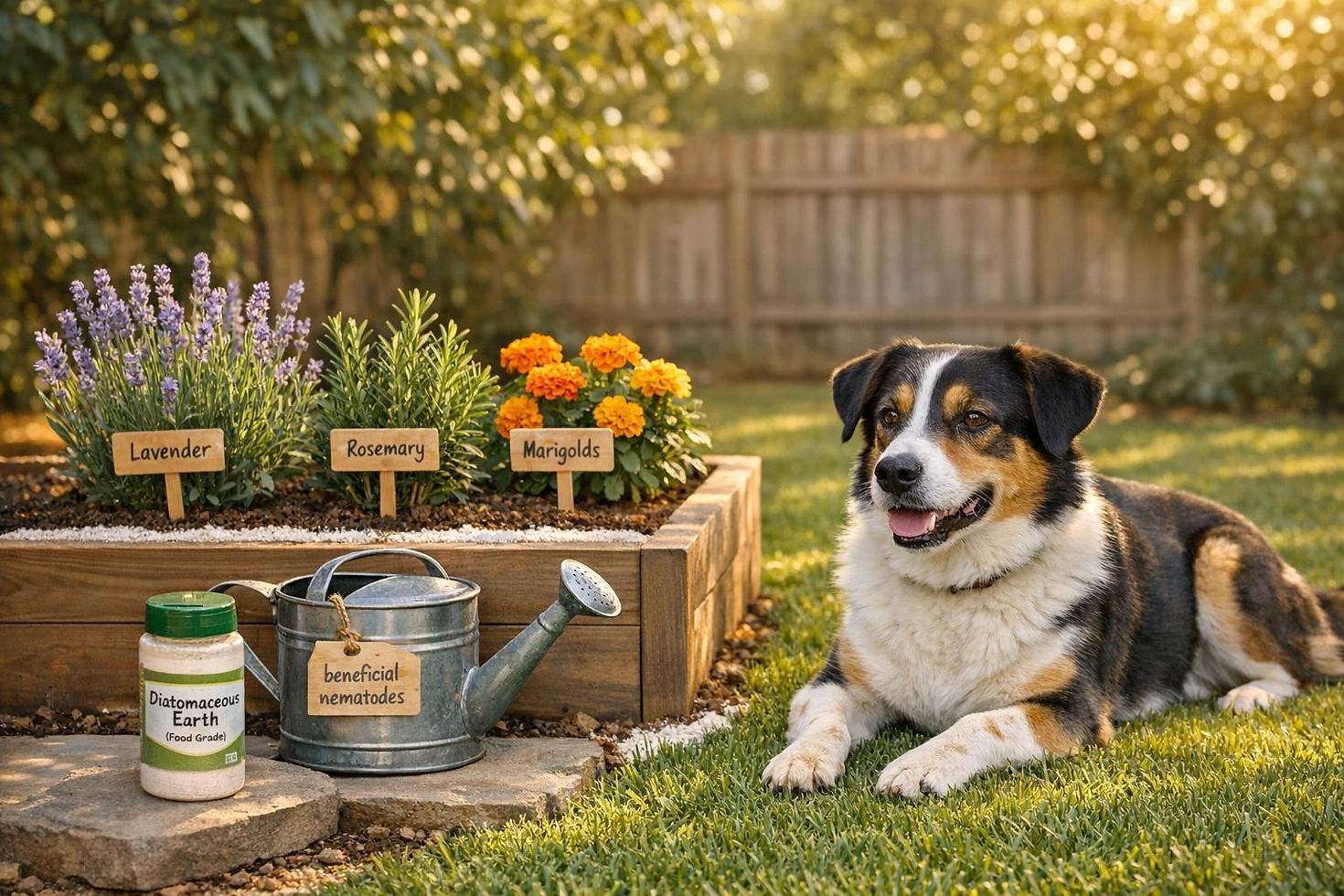
Flea Prevention for Yards: Safe Options for Dogs

Your yard can be a hotspot for fleas, putting your dog at risk of itchy discomfort, allergic reactions, and even serious diseases like anemia or tapeworms. Fleas thrive in shaded, damp areas and reproduce quickly - just 10 female fleas can lead to 250,000 fleas in a month. Chemical treatments may work, but they can harm pets and humans. Luckily, safe, natural methods can effectively reduce flea populations without exposing your dog or family to harsh chemicals.
Key Natural Flea Control Methods:
Beneficial Nematodes: Target flea larvae and pupae in the soil, killing them within 24–48 hours.
Diatomaceous Earth (DE): Dehydrates adult fleas but requires dry conditions and careful handling.
Flea-Repelling Plants: Lavender, lemongrass, and rosemary naturally deter fleas while being safe for dogs.
Yard Maintenance: Mowing grass, removing debris, and controlling moisture disrupt flea habitats.
By combining these methods with regular yard upkeep, you can create a safer outdoor space for your dog while minimizing flea risks.
How to Treat Your Lawn For Fleas, Ticks, Mosquitoes, Ants and Chiggers
Why Fleas Thrive in Yards
Your yard can unintentionally become a haven for fleas when moisture, shade, and organic debris combine to create the perfect breeding ground.
Fleas steer clear of direct sunlight because it dries them out and kills them. Instead, they gather in shaded areas like under decks, porches, trees, and dense bushes. Piles of leaves, grass clippings, and yard waste also provide a dark, damp environment that supports flea larvae. These spots not only offer protection but also trap flea dirt - dried blood from adult fleas - which serves as food for developing larvae.
Temperature and humidity play a huge role in flea reproduction. Flea eggs hatch most efficiently when temperatures range from 75°F to 85°F, with humidity levels around 70% to 80%. Under these conditions, just 10 female fleas can multiply into a staggering population of 250,000 within 30 days. For every 6 adult fleas you spot on your dog, there could be around 300 eggs, larvae, and pupae hiding in your yard. With such ideal conditions, it’s no wonder fleas thrive so easily.
The Flea Lifecycle and Yard Infestations
The persistence of flea infestations becomes clear when you understand their lifecycle. While adult fleas live on pets, the other stages of their development occur outdoors. A single female flea can lay up to 2,000 eggs in her lifetime. These eggs fall off your pet and into the grass or organic debris, hatching within 1 to 10 days. Once hatched, the larvae quickly burrow into shaded soil or leaf litter to escape sunlight. As veterinarian Elisabeth J. Giedt, D.V.M. from Oklahoma State University explains:
"A flea infested pet is like a living salt shaker of flea eggs!"
After feeding on organic debris and flea dirt, the larvae spin cocoons and transition into the pupal stage. During this phase, they can remain dormant for up to 140 to 170 days, often surviving through winter and emerging when conditions are favorable. Interestingly, about 95% of the flea population in a yard is concentrated in just 5% of the space - usually in shaded flower beds, under decks, or in debris piles. This explains why targeting specific areas with natural treatments can make such a difference.
Wildlife like raccoons, opossums, skunks, deer, and rodents also contribute to flea problems. These animals can carry fleas into your yard, leaving eggs behind as they pass through. Poorly maintained spaces, such as those with accessible trash, leftover pet food, or brush piles, can make the problem even worse.
Health Risks Fleas Pose to Dogs and Families
Fleas aren’t just an annoyance - they can cause serious health problems. In severe cases, heavy infestations may lead to life-threatening anemia, especially in puppies or small dogs. Many dogs also suffer from Flea Allergy Dermatitis (FAD), an allergic reaction to flea saliva. This condition causes intense itching, leading to hair loss, open sores, and secondary bacterial infections.
Fleas can also transmit harmful parasites and diseases. For instance, they carry tapeworms (Dipylidium caninum), which dogs can ingest while grooming. Fleas are also known to spread zoonotic diseases like Cat Scratch Disease (Bartonella henselae), Murine typhus, and even Bubonic plague. When fleas bite humans, they often target the feet, ankles, and calves, leaving behind itchy, discolored bumps, sometimes surrounded by a red ring.
The hidden nature of flea populations makes them even more concerning. For every adult flea you see on your dog, there are likely 100 eggs, larvae, or pupae lurking in your yard, waiting to re-infest your pet if the environment isn’t addressed. These risks highlight the importance of using natural, pet-safe treatments to manage fleas in your yard effectively.
Natural Flea Prevention Methods Safe for Dogs
Protecting your dog from fleas doesn't have to mean resorting to harsh chemicals. These natural remedies can help keep your yard flea-free while being gentle on your pets and the environment. By targeting fleas at different stages of their lifecycle, these methods offer effective solutions without compromising your dog's safety.
Using Beneficial Nematodes to Kill Flea Larvae
Beneficial nematodes are tiny, worm-like organisms that attack flea larvae and pupae, wiping them out within 24–48 hours. When applied to your yard, they can halt 70% to 100% of flea larvae from maturing into adults. A single application can cover thousands of square feet, making it an affordable and pet-safe option. Plus, since the EPA doesn’t require registration for nematodes, you can rest easy knowing they’re safe for both pets and humans. Once nematodes finish their job, they naturally die off without leaving any residue behind.
To apply them effectively, mix the nematodes with filtered water (chlorine in tap water can harm them) and apply during low-UV times, such as early morning or evening. Keep the soil moist (but not soaked) for about 10 days after application to ensure they thrive. Use a watering can or hose-end sprayer with an opening of at least 0.5 mm to avoid clogging. Store any remaining nematodes in the refrigerator (not the freezer) and use them promptly. While you won’t see dead fleas, you should notice a sharp decline in their population within two weeks.
Applying Diatomaceous Earth to Eliminate Fleas Through Dehydration
Food-grade diatomaceous earth (DE) is another natural flea control option. This fine powder, made from fossilized algae, dehydrates fleas by absorbing the fats and oils from their exoskeletons, killing them within hours. As veterinarian Barri J. Morrison explains:
"The silica in DE absorbs fats and oils from the flea's skeleton, causing them to dry out and die."
For DE to work effectively, the environment must stay dry. Apply it during low-UV times when no rain is expected for at least 24 to 48 hours. Reapply after heavy dew or rain, as moisture reduces its effectiveness. Sprinkle a thin, even layer in flea-prone areas like under porches, decks, or shrubs.
When handling DE, wear protective gear like a mask, goggles, and long sleeves to avoid inhaling the fine particles. Keep pets and kids away until the dust settles. Avoid applying DE directly to your dog’s skin, as it can cause irritation.
Planting Flea-Repelling Plants Like Lavender and Lemongrass
Certain plants, such as lavender, lemongrass, rosemary, peppermint, spearmint, and chrysanthemums, naturally repel fleas with their aromatic oils. These plants not only deter fleas but also help keep ticks and mosquitoes at bay. Studies show that the essential oils from these plants can be effective even at low concentrations of 0.5% to 4%. Plant them in shaded areas under shrubs, near doghouses, or around porches - places where fleas often hide. You can also create a natural barrier along your yard's edges with lavender or lemongrass.
However, it’s important to avoid using concentrated essential oils directly on your pets. Dr. LaDissa Moore of IVS Mobile Vets cautions:
"Don't douse your animal in flea powders or topical flea sprays, because a lot of times they'll lick themselves and get really sick."
Stick to planting the actual plants, as they’re much safer for dogs. Pair this method with regular yard upkeep, like mowing the grass to let in more sunlight, which can make your yard less hospitable to fleas.
Yard Maintenance Practices to Eliminate Flea Habitats
Keeping your yard in good shape is a powerful way to disrupt flea lifecycles and protect your dog. Fleas thrive in shaded, damp areas filled with organic debris, so regular upkeep can make your yard far less inviting to them. When paired with natural flea treatments, these practices create a safer outdoor space for your pet.
How Dog Waste Removal Prevents Fleas
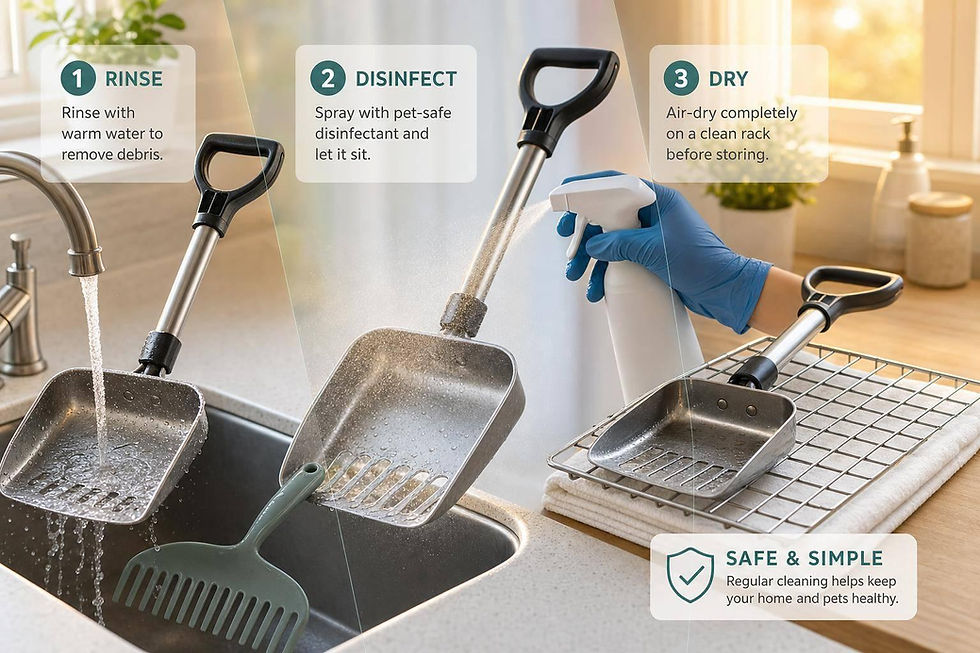
Dog waste not only attracts pests that bring fleas but also creates ideal conditions for flea larvae to grow. Cleaning up waste promptly is crucial to keeping flea populations in check. For pet owners in the Houston and Tomball areas, Doody Bug Poop Scooping offers convenient solutions. Their weekly or twice-weekly services start at $16 per week (plus $3 for each additional dog). They also sanitize tools between visits and provide deodorizing treatments with Wysiwash or KennelSol for $15 per application. These efforts keep your yard clean, hygienic, and less appealing to fleas, complementing other flea prevention strategies.
Consistent waste removal is a key step in maintaining a flea-free yard, working hand-in-hand with other maintenance efforts.
Mowing, Leaf Removal, and Moisture Control
Keeping your grass short is more than just an aesthetic choice - it exposes the soil to sunlight, which dries it out and makes it less hospitable to fleas. Dr. Elisabeth J. Giedt from Oklahoma State University highlights the importance of sunlight:
"Open areas of the lawn exposed to continuous sunlight won't support flea development, but shady, moist areas will".
In addition to mowing, clearing leaf piles, fallen branches, and other debris - especially in flower beds or under bushes - helps eliminate common flea hiding spots.
Controlling moisture is another critical factor. Flea eggs thrive in humid conditions, particularly when humidity levels hover between 50% and 90%, with the sweet spot around 78%. Avoid overwatering your lawn and remove shaded debris to reduce dampness. If your yard borders wooded areas, consider installing a 3-foot-wide gravel or wood chip barrier to discourage pests from entering. Also, avoid composting yard debris, as it can create a haven for fleas.
Comparing Natural Flea Prevention Methods
Choosing the best natural flea prevention method depends on your yard's specific needs and how much time you can dedicate to upkeep. Each approach has its strengths and limitations, so understanding these can help you create a safe, flea-free space for your dog.
Beneficial Nematodes are a powerful tool for controlling fleas. Research shows that applying these microscopic organisms to outdoor soil can stop 70% to 100% of flea larvae from maturing into adults within just 24 to 48 hours. They're safe for both pets and humans, requiring no special protective gear during application.
Diatomaceous Earth works by dehydrating adult fleas, killing them within hours. However, its application requires caution - wearing a mask and goggles is recommended to avoid irritation, and pets should be kept away until the dust settles. It loses effectiveness when wet, so you'll need to reapply it after rain or heavy dew.
Flea-Repelling Plants, like lavender and lemongrass, offer a low-maintenance option for keeping fleas at bay. Once planted, these plants help repel fleas naturally, though they won't eliminate an existing infestation. Be cautious with certain plants like pennyroyal and peppermint, as they can be toxic to dogs.
Here's a quick comparison to help you weigh your options:
Comparison Table of Natural Flea Prevention Methods
Method | Effectiveness | Safety for Dogs | Ease of Use | Cost |
Beneficial Nematodes | High (70–100% larval control) | Very High (no protective gear needed) | Moderate (requires watering) | ~$16–$38 per treatment |
Diatomaceous Earth | Moderate (kills adults in hours) | Moderate (may irritate respiratory system) | Easy (sprinkle on dry ground) | ~$16.99 |
Flea-Repelling Plants | Low (repellent only) | Variable (some species toxic) | Easy (one-time planting) | Varies by plant |
For heavy infestations, beneficial nematodes are the most effective option. In drier areas, diatomaceous earth can be a practical choice between rains. Meanwhile, flea-repelling plants act as a gentle, ongoing deterrent, complementing other methods.
Conclusion: Maintaining a Flea-Free Yard for Healthy Dogs
Keeping your yard free of fleas requires a mix of natural solutions and consistent upkeep. As Dr. Barri J. Morrison explains:
"Killing fleas in your yard is an essential step in ensuring your pets remain flea-free".
A combination of natural treatments, regular mowing, clearing debris, and controlling moisture helps eliminate flea habitats. This is especially important because fleas reproduce rapidly when conditions are favorable.
For every flea you spot on your dog, there are likely around 100 eggs and larvae hidden nearby. To break their lifecycle, apply treatments weekly for four weeks, then continue with monthly maintenance. Pay close attention to shaded areas like under decks or near bushes, as these are common flea hotspots.
Wildlife such as raccoons and opossums can bring fleas into your yard. To prevent this, secure trash cans, remove outdoor pet food, and seal any gaps or openings. These steps reduce the chance of reinfestation.
Another key step is cleaning up dog waste regularly, as it creates conditions that fleas thrive in. If you're in the greater Houston or Tomball areas, Doody Bug Poop Scooping offers weekly or twice-weekly cleanups. They ensure a clean yard while using sanitized tools to avoid cross-contamination between visits.
FAQs
How do beneficial nematodes help control fleas in my yard?
Beneficial nematodes offer a natural and pet-friendly way to tackle fleas in your yard. These tiny organisms specifically target flea larvae living in the soil. Once they invade the larvae through small openings or directly through the body, they release bacteria that quickly kill the larvae - usually within 24 to 48 hours. Afterward, the nematodes move on to new hosts, continuing their work.
To get the best results, mix the nematodes with water and apply them to areas where fleas are most likely to thrive. Focus on shaded spots, areas under bushes, and damp soil. This approach addresses fleas right at their source, helping to prevent infestations while keeping your yard safe for your dog and family.
Are flea-repelling plants safe for dogs?
Flea-repelling plants can be a natural way to help manage flea populations in your yard, but it’s essential to remember that not all plants are safe for every dog. Options like mint and lavender are often considered pet-friendly and can be effective when used in moderation. On the other hand, plants such as certain varieties of marigolds or citronella might trigger allergic reactions or even cause stomach upset in some dogs.
Before adding any new plants to your yard, make sure they’re safe for your furry friend. Check with your veterinarian or consult trusted resources to confirm the plants won’t harm your dog. Once introduced, keep an eye on your pet for any signs of discomfort or adverse reactions.
How should I safely apply diatomaceous earth in my yard to control fleas?
To tackle fleas in your yard using diatomaceous earth (DE), make sure to pick food-grade DE - it's safe for both pets and humans. Timing matters, so apply it on a dry day since moisture reduces its effectiveness. Pay special attention to flea-prone spots like shaded, damp areas under decks, near pet hangouts, or around landscaping with plenty of shade.
Spread a thin, even layer of DE using a scoop or duster, but be careful not to stir up too much dust. Once applied, leave the powder undisturbed so it can do its job against fleas and their larvae. If it rains or there's heavy dew, you'll need to reapply for continued protection. To further discourage fleas, keep your yard tidy by mowing regularly and clearing out debris where fleas might hide.


Comments