
Why Proper Dog Waste Disposal Matters

Cleaning up after your dog isn’t just about keeping your yard tidy - it’s about protecting your health, your community, and the environment. Dog waste contains harmful bacteria, parasites, and nutrients that can pollute water, damage lawns, and spread disease. Here’s why proper disposal is essential:
Health Risks: Dog waste can carry pathogens like E. coli, Salmonella, and roundworms, which can infect humans and animals.
Water Pollution: Rain washes waste into storm drains, contaminating rivers and lakes with bacteria and nutrients that harm aquatic life.
Lawn Damage: High nitrogen levels in waste can cause brown spots and damage grass.
Neighborhood Impact: Unpleasant odors, pests, and disputes with neighbors can arise from improper cleanup.
Solutions include bagging and trashing waste, using in-ground digesters, or hiring professional cleanup services like Doody Bug, starting at $16 per week. By managing waste responsibly, you protect your family, pets, and community while keeping outdoor spaces clean and safe.
Can Pet Waste Harm Marine Animals?
Problems Caused by Improper Dog Waste Disposal
Improperly disposing of dog waste isn't just an inconvenience - it poses serious risks to public health, the environment, and the overall harmony of a community. Recognizing these dangers highlights the importance of responsible waste management to keep families, pets, and shared spaces safe.
Disease and Parasite Risks
Dog waste is a breeding ground for pathogens that can harm both humans and animals. It often contains roundworm eggs, which can remain infectious for up to four years and may cause vision damage, and hookworm larvae, which can penetrate the skin and lead to painful conditions like cutaneous larva migrans. Harmful bacteria such as E. coli, Salmonella, Campylobacter, and Leptospirosis can trigger severe digestive issues, fevers, and even organ damage.
Pets are just as vulnerable. For example, parvovirus - a highly contagious and potentially deadly disease - can linger in contaminated soil for over six months. A 2020 study revealed that 85% of off-leash dog parks across the U.S. tested positive for intestinal parasites. This is especially alarming for children, who are more likely to come into contact with contaminated soil while playing in yards or sandboxes. But the risks don’t stop there - improper waste disposal also threatens local waterways.
Water Pollution from Runoff
When it rains or sprinklers run, dog waste often gets washed into storm drains, which funnel untreated water directly into local creeks, rivers, and lakes. For example, in Austin, Texas, the city’s 250,000 dogs produce around 150,000 pounds of waste daily, much of which ends up polluting nearby waterways. This waste is rich in nitrogen and phosphorus, which fuel harmful algal blooms. These blooms deplete oxygen levels in the water, release ammonia during decay, and can even cause fish kills.
Pathogens like Giardia are particularly resilient, surviving extreme temperatures and contaminating water. The Philadelphia Water Department emphasizes:
Dog waste contains pathogens (bad bacteria and viruses) that can make waterways unsafe for recreation.
These pollutants don’t just affect water - they also seep into our yards and green spaces.
Lawn and Yard Damage
Dog waste can wreak havoc on lawns. Its high nitrogen and phosphorus content causes "lawn burn", leaving behind unsightly brown spots and dead patches. Unlike waste from wild animals, which naturally integrates into the ecosystem, dog waste from commercial pet food diets decomposes slowly, leaving behind excess nutrients that harm plants rather than nourish them.
The soil itself becomes a long-term hazard, as harmful bacteria and parasites can linger for months or even years, creating unsafe conditions for activities like barefoot play or gardening. As veterinarian Steve B. Thompson from Purdue University warns:
Dog waste should not go in compost that will end up as vegetable garden fertilizers.
Odors, Pests, and Neighbor Complaints
The smell of dog waste can make outdoor spaces unpleasant, while attracting flies, bugs, and rodents looking for food. These pests can easily spread to neighboring properties, potentially carrying diseases along with them. Poor waste management often leads to neighborhood disputes. Stephanie Gibeault, MSc, CPDT, points out:
There's no better way to ruin relationships with your neighbors than to leave your dog's dropping on their property.
Many cities enforce strict "scoop laws" to address this issue. In Bothell, Washington, for instance, failing to clean up after your dog can result in a minimum fine of $250 per incident. Beyond being courteous, proper disposal is crucial for maintaining a clean, safe, and pleasant community environment.
Benefits of Proper Dog Waste Disposal
Taking care of dog waste properly isn’t just about cleanliness - it’s about protecting health, preserving natural spaces, and building stronger communities. Here’s how responsible disposal can make a real difference.
Keeping Families and Pets Healthy
Cleaning up dog waste right away helps reduce the risk of diseases that can spread between animals and humans. Parasites like roundworms, hookworms, and harmful bacteria such as Salmonella and E. coli thrive in waste left behind, especially in areas where kids play. Puppies, kittens, and unvaccinated pets are particularly vulnerable to viruses like parvovirus and distemper, which can spread through contact with contaminated waste. By staying on top of cleanup, you’re protecting both your family and your furry friends.
Preventing Water Contamination
Bagging and disposing of dog waste properly is crucial for keeping harmful pathogens out of storm drains and waterways. The U.S. Environmental Protection Agency (EPA) highlights this as one of the simplest ways to improve the quality of urban runoff water. When waste isn’t picked up, rain can wash it into storm drains, carrying bacteria, nitrogen, and phosphorus into rivers and lakes. As the Philadelphia Water Department explains:
Dog waste should always be picked up and is NOT a 'natural thing' that helps trees and plants when it breaks down. Just like human waste, it is a pollutant.
Proper disposal protects drinking water, swimming areas, and fishing spots from contamination.
Maintaining Clean, Usable Yards
Removing waste regularly keeps your yard healthy, fresh, and ready for outdoor fun. Dog waste is acidic and loaded with excess nutrients, which can damage grass and cause unsightly lawn burn. By cleaning up consistently, you can eliminate odors, prevent pests, and keep your yard safe for barbecues, games, and relaxation without unpleasant surprises.
Supporting Community Standards
Being a responsible pet owner helps your neighborhood, too. Many cities enforce “pooper scooper” laws and impose fines for failing to clean up after pets. Beyond legal compliance, managing waste properly shows respect for your neighbors and sets a good example for others. By tackling health risks, water pollution, and yard issues, responsible disposal turns a potential problem into a way to contribute positively to your community. These benefits lay the groundwork for practical steps you can take at home to manage pet waste effectively.
How to Manage Dog Waste at Home
Managing dog waste at home requires a method that aligns with your living space, local rules, and the time you can commit to cleanup. Below, you'll find practical approaches to keep your yard clean and safe.
Bagging and Trashing Waste
One straightforward option is to bag the waste and dispose of it in your outdoor trash bin. Use tools like a pooper scooper or gloves to collect the waste, and always wash your hands afterward to maintain hygiene [4,5,6,9]. For added safety, double-bag the waste and tie the bags securely to protect sanitation workers. If you’re worried about plastic waste, biodegradable or compostable bags made from cornstarch are a more eco-friendly alternative [4,15]. Regular weekly cleanups are essential to prevent bacteria and parasites from accumulating, as some pathogens, like parvovirus, can linger in the soil for up to six months.
Using In-Ground Pet Waste Digesters
In-ground pet waste digesters, which work like small septic systems, are another option. These systems, typically costing around $40, use water and enzyme treatments to break down waste, allowing the treated material to safely leach into the surrounding soil. Installation requires proper drainage and is most effective in areas with a deep water table. To use these systems, you’ll need to add only the recommended enzymes and remove any non-biodegradable materials manually. However, keep in mind that these digesters need regular maintenance and may not work well in certain soil types or climates.
Methods to Avoid
Not all waste management practices are safe or effective. For example, adding dog waste to regular compost or yard waste bins is generally unsafe unless explicitly permitted by local regulations [4,9]. Dr. Lori Teller from the Texas Veterinary Medical Foundation cautions:
Do not compost dog or cat poop! The temperatures in the compost bin do not get hot enough to kill off the pathogens that are dangerous to human health.
Most home compost piles fail to reach the 165°F needed for five consecutive days to sterilize the waste [14,15]. Additionally, never use dog waste - composted or otherwise - as fertilizer for fruits or vegetables, as roundworm eggs can survive in soil for years [1,9,14].
If you decide to bury the waste, make sure to dig at least 6 to 8 inches deep and keep the burial site at least 200 feet away from water sources, gardens, or wells [4,5].
Professional Dog Waste Removal Services
In bustling households or properties with large yards, keeping up with dog waste cleanup can quickly become overwhelming. That’s where professional dog waste removal services step in, taking care of this unpleasant task on a regular schedule. Not only does this keep your yard clean, but it also helps protect your family’s health and maintain community standards. In areas like Houston and Tomball, where the warm, humid climate accelerates odors and bacterial growth, regular cleanups are especially important.
Regular Scheduled Cleanups
When managing pet waste becomes too much, professional services offer a practical and reliable solution. For example, Doody Bug Poop Scooping provides weekly and twice-weekly cleanup plans starting at $16 per week (with an additional $3 per extra dog). Considering that the average dog produces about 0.75 pounds of waste daily, these services go a long way in reducing health risks from harmful pathogens like E. coli, Salmonella, and roundworms.
For yards needing extra attention, Doody Bug also offers one-time cleanups. These come with a $15 trip charge and a prorated hourly rate of $60 per hour. Keep in mind, if the yard hasn’t been cleaned in a while, the initial visit might take three to four times longer than routine cleanups.
Deodorizing Treatments
Professional services don’t just stop at removing waste - they also tackle lingering odors. Doody Bug uses products like Wysiwash and KennelSol to neutralize smells and reduce microbes. These treatments are particularly effective in Houston’s challenging climate. Deodorizing services start at $15 per application, with pricing adjusted based on the size of the treated area. These eco-friendly solutions not only eliminate odors but also target stubborn pathogens, creating a safer outdoor space for both kids and pets.
Sanitary Practices and Consistent Service
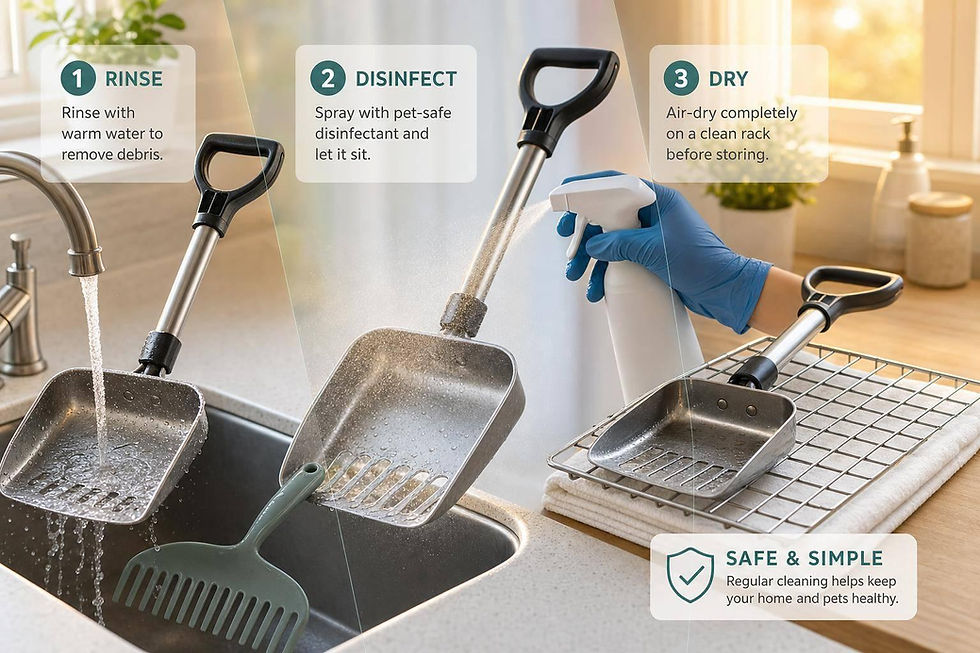
Hygiene is a top priority for Doody Bug. All tools and equipment are thoroughly sanitized between property visits to prevent the spread of harmful pathogens. This attention to cleanliness underscores the importance of proper waste management and reduces the risks associated with disease. With regular scheduling, you can count on consistent service, freeing you from the hassle of tracking cleanup dates or settling household debates over whose turn it is to scoop.
Conclusion
Managing dog waste properly not only keeps your family healthy but also protects water quality and maintains community standards. The EPA identifies dog waste as a nonpoint source pollutant, highlighting its potential to spread harmful pathogens like E. coli, Salmonella, and resilient parasites.
To put it into perspective, waste from just 100 dogs over two or three days can release enough bacteria and nutrients to temporarily shut down a bay for swimming and shellfishing. Regular cleanup routines play a crucial role in preventing polluted runoff from contaminating local waterways.
For families with packed schedules, professional services can be a lifesaver. For example, Doody Bug Poop Scooping offers weekly cleanups starting at $16 per week in the Houston and Tomball areas. Their services include sanitized tools and deodorizing treatments, ensuring a safer and cleaner environment for both kids and pets. Whether you hire professionals or handle it yourself, the key is consistency.
As Jacob D'Aniello, Co-founder and CEO of DoodyCalls, puts it:
You're doing the right thing environmentally by picking up waste in your own backyard... If everyone works together, then we can all positively impact the community.
FAQs
What are the risks of not cleaning up after your dog?
Failing to clean up after your dog isn’t just unpleasant - it can actually pose serious health risks to both people and pets. Dog waste is often loaded with harmful pathogens like roundworms, hookworms, Giardia, and Salmonella. When left unchecked, these can contaminate soil and water, spreading through accidental ingestion, skin contact, or exposure to surfaces that have been tainted.
Beyond health concerns, leaving dog waste in your yard or public areas can attract pests, create bad odors, and even contribute to pollution by affecting local waterways. Regularly picking up after your dog not only keeps your space clean and enjoyable but also helps safeguard your community from these risks.
How does dog waste affect water quality?
When dog waste is left on the ground, rain can sweep it into storm drains, carrying harmful substances like nitrogen, phosphorus, bacteria, and parasites straight into nearby waterways. Once there, these pollutants can trigger algae blooms, lower oxygen levels, and spread diseases - damaging aquatic ecosystems and even posing risks to human health.
By properly disposing of dog waste, we can help protect local streams, lakes, and rivers, keeping them cleaner and safer for everyone to enjoy.
What’s the best way to handle dog waste at home?
Managing dog waste the right way not only keeps your yard tidy but also helps protect the environment. The first step? Pick up waste promptly using a sturdy scooper or a biodegradable bag. This prevents it from drying out or spreading harmful bacteria. If you have multiple dogs, a bin-and-rake scooper can make cleanup faster and cut down on plastic waste.
Here are some effective ways to dispose of dog waste:
Bag it and trash it: Seal the waste in a plastic or biodegradable bag and toss it in your regular trash. This method is easy, widely accepted, and keeps harmful pathogens from entering storm drains.
Flush it: If your home is connected to a municipal sewer system, flushing dog waste down the toilet is a safe option. The sewage plant will handle it just like human waste.
Compost it (the right way): Use a compost system specifically designed for pet waste. Regular garden compost isn’t suitable for this purpose, but a dedicated setup can safely break it down over time.
For a hands-off approach, you might want to check out professional services like Doody Bug Poop Scooping. They handle scheduled yard cleanups, sanitize tools, and even offer deodorizing treatments. Regular cleanups not only keep your yard smelling fresh but also help prevent water contamination and unpleasant odors from spreading in your neighborhood.


Comments