
Weekly vs. Twice-Weekly Dog Waste Removal

Keeping your yard clean and safe comes down to choosing the right dog waste removal schedule: weekly or twice-weekly.
Weekly service works well for households with 1–2 dogs, medium to large yards, and moderate outdoor activity. It’s budget-friendly, starting at about $18 per week, and helps maintain a clean yard while protecting your lawn from damage.
Twice-weekly service is better for homes with 3+ dogs, small yards, or frequent outdoor use. It minimizes odors, reduces pest issues in warm weather, and keeps your yard ready for kids or gatherings. Costs start at $27 per week for one dog.
Both options help prevent lawn damage, control odors, and reduce health risks, but your choice depends on your household size, yard usage, and budget.
Quick Comparison:
Factor | Weekly Service | Twice-Weekly Service |
Cost (1 Dog) | $18/week | $27/week (+$9) |
Odor Control | Moderate | High |
Best Fit | 1–2 dogs, larger yards | 3+ dogs, small yards |
Lawn Health | Good | Better |
For Houston residents, companies like Doody Bug offer flexible plans, including sanitization and deodorizing treatments. Start with weekly service and adjust as needed.
Weekly Dog Waste Removal: Pros and Cons
Advantages of Weekly Service
Weekly dog waste removal is a popular choice for many dog owners, particularly those with single-dog households and medium to large yards. With pricing typically falling between $12 and $23 per visit, it offers a cost-effective way to maintain a clean yard.
Opting for weekly removal can save you around 60 hours of labor annually. Plus, it helps protect your lawn from nitrogen burn - a common issue caused by the high nitrogen levels in dog waste, which can scorch grass and leave unsightly brown patches. Lawn restoration from such damage can cost anywhere from $200 to $800, making regular cleanup a smart preventative measure.
"Weekly is usually the best value because the yard never gets backed up." - K-9 Cleanup Crew
Beyond aesthetics, weekly pickups also help curb the spread of bacteria and parasites like E. coli and roundworms, reducing health risks for your family and pets. These infections can lead to vet bills that often exceed $500. Another bonus? Professional services take the waste off your hands entirely, sparing your trash cans from unpleasant odors and keeping your outdoor space more enjoyable.
However, while weekly service has plenty of perks, it may not be the perfect fit for every scenario.
Disadvantages of Weekly Service
Despite its convenience, weekly service does have its downsides. For households with heavily used yards, a week-long gap between cleanups can allow waste to pile up, creating potential safety concerns in play areas. Additionally, the acidic nature of dog waste means even a week's worth of buildup can cause damage to your lawn, leading to yellow or brown patches.
The challenges increase during hot and humid months. These conditions can encourage pests to flourish in the waste before the next scheduled cleanup. If your yard is a hub for family activities or summer gatherings, weekly service alone might not keep your space as clean as you'd like during those peak times.
Twice-Weekly Dog Waste Removal: Pros and Cons
Advantages of Twice-Weekly Service
Opting for twice-weekly dog waste removal keeps your yard cleaner and more sanitary. This schedule is particularly helpful for households with multiple dogs - especially those with three or more pets - since weekly pickups often can't keep up with the waste produced.
Frequent pickups help minimize odors and bacteria, ensuring your lawn remains a safe and pleasant space for family activities or outdoor gatherings. If your dogs love rolling in the grass or your family spends a lot of time outdoors, it's worth noting that experts recommend removing waste within 24–48 hours to maintain hygiene.
"At a minimum, you should scoop dog poop in your yard 2–3 times per week per dog." – YardBuddy
Regular removal also helps prevent damage to your lawn. Dog waste is acidic and can cause unsightly brown patches, a problem that’s more pronounced with larger breeds. While the overall cost of twice-weekly service is higher, the per-visit fee tends to be lower.
That said, this service frequency isn’t without its downsides.
Disadvantages of Twice-Weekly Service
The most notable drawback of twice-weekly service is the cost. For a single dog, this level of service averages around $27 per week, compared to $10–$20 for weekly pickups. Over a month, that difference becomes significant - roughly $108 for twice-weekly versus $40–$80 for weekly service.
For smaller households with one or two dogs and a spacious yard, twice-weekly pickups may be overkill. If waste doesn’t pile up quickly and odors aren’t a problem, you could end up paying for unnecessary visits.
Weekly vs. Twice-Weekly Service Comparison
Deciding between weekly and twice-weekly service depends on four key factors: your budget, the number of dogs in your household, how often your family uses the yard, and the size of your outdoor space.
Let’s start with cost, which is the most noticeable difference. Weekly service costs about $18 per week for a single dog, while twice-weekly service costs $27 per week - an additional $9 per week or around $36 more per month. For households with five dogs, the weekly cost difference increases to $14. However, the price per visit actually decreases with the more frequent option, dropping from $18 per visit for weekly service to $13.50 per visit with twice-weekly service.
Yard hygiene and condition are also important considerations. Weekly service works well for controlling odors and maintaining cleanliness for most homes with one or two dogs. However, twice-weekly service is ideal for keeping your yard in top shape, especially in hot and humid climates where waste decomposes quickly. If you have young children who play outside daily, the added frequency ensures a safer, cleaner space for them to enjoy.
The type of household you have also plays a big role. For homes with one or two dogs and larger yards, a weekly schedule is usually sufficient. But if you have three or more dogs - or if your yard is on the smaller side - waste can build up quickly, making twice-weekly pickups a better option. Larger breeds, which naturally produce more waste, also benefit from more frequent cleanups regardless of yard size.
Here’s a quick breakdown of the key differences:
Service Comparison Table
Factor | Weekly Service | Twice-Weekly Service |
Cost (1 Dog) | $18/week | $27/week (+$9) |
Cost (5 Dogs) | $31/week | $45/week (+$14) |
Odor Control | Good (standard maintenance) | Excellent (prevents buildup in heat) |
Yard Cleanliness | Consistent; prevents major buildup | Pristine; safe for kids/high foot traffic |
Lawn Health | Prevents most grass burn | Maximum protection against nitrogen damage |
Best Fit Household | 1–2 medium dogs; moderate yard use | 3+ dogs; large breeds; small yards |
Hygiene Level | Sufficient for adults/pets | Recommended for households with children |
This side-by-side comparison can help you weigh the pros and cons to find the service frequency that best meets your needs.
How to Choose the Right Service Frequency
Start by assessing your yard and the number of dogs you have. On average, a single dog produces waste 1–2 times a day. For one or two dogs in a medium-to-large yard, weekly service is usually enough. However, if you have three or more dogs, twice-weekly cleanups are often necessary to keep waste from piling up. Smaller yards can become overwhelmed quickly, making twice-weekly service a better option in those cases.
Think about how you use your yard. If kids play outside daily or you frequently host gatherings, twice-weekly service helps maintain safety and cleanliness. The size of your dog also matters - larger breeds produce more waste, so even one big dog might require more frequent cleanups. Houston’s hot and humid weather can make odors stronger and attract pests like flies and rodents faster, so increased service frequency can keep your yard enjoyable for everyday use.
Keeping your grass at a manageable height - about 1–2 inches - is also smart. With thick St. Augustine grass, longer blades can hide waste, making it harder to remove.
For those in the Houston area, Doody Bug offers flexible scheduling to meet your yard's changing needs. Weekly service starts at $16 per week, with an additional $3 per extra dog. If you’re unsure, start with weekly cleanups and adjust if odors or waste buildup become an issue. They also provide one-time cleanups, which include a $15 trip charge plus $60 per hour (prorated), to get your yard back in shape before starting a regular schedule.
While cost is an important consideration, prioritizing a clean and safe yard is essential. Weekly service is an affordable option for many, but upgrading to twice-weekly service - typically an extra $9 per week for one dog - can better control odors, support healthier grass, and ensure a safer space for your family. Keep in mind that seasonal adjustments may be necessary. Weekly service might work fine during cooler months, but Houston’s summer heat, where temperatures often surpass 90°F, may make twice-weekly cleanups a must.
Doody Bug Poop Scooping Services
For dog owners in Houston, Doody Bug Poop Scooping Services provides flexible scheduling options to keep your yard clean and fresh. You can choose from weekly, twice-weekly, or even thrice-weekly visits, depending on your needs. These services are available in Houston, Spring, Cypress, The Woodlands, Tomball, and Magnolia. Plus, there's no need to be home during the cleanup - technicians will handle everything on set days.
"Doody Bug offers professional, reliable dog poop scooping. We rake & scrape the dog poop from your lawn, turf, patio & deck if you want us to." – Doody Bug
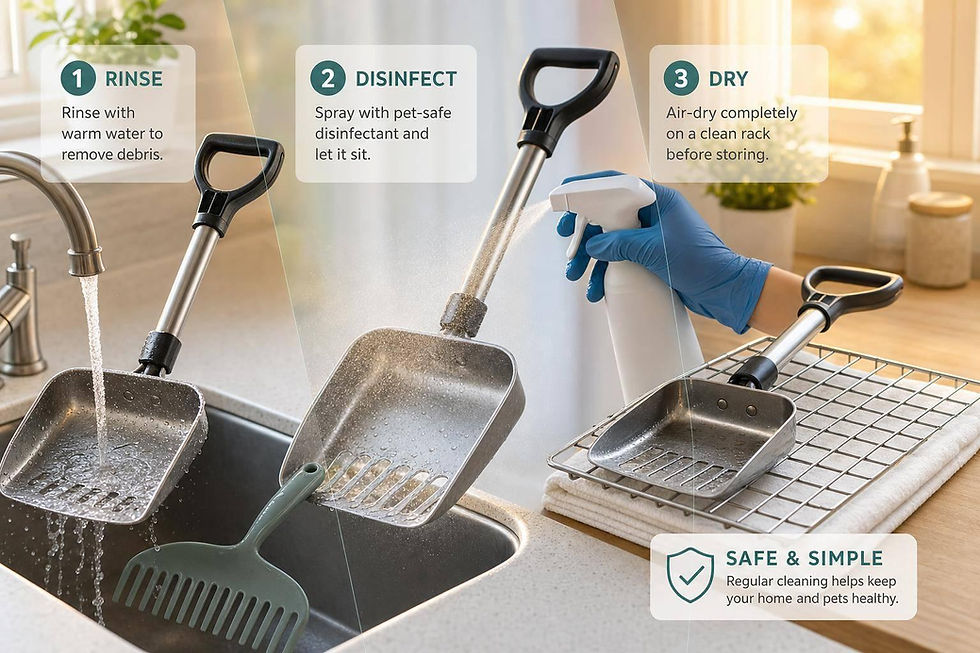
Hygiene is taken seriously here. After every visit, technicians sanitize their tools using KennelSol, a professional-grade disinfectant that eliminates bacteria, viruses, and other microorganisms. The collected waste is securely tied in scented garbage bags and usually placed in your trash bin.
To tackle odors, Doody Bug offers deodorizing treatments for about $15. They use Wysiwash for lawns and mint-scented KennelSol for hard surfaces like concrete, tile, and wood.
Recurring services are billed monthly to your credit card, with receipts sent via email. If your yard has been neglected, one-time cleanups are available at $60 per hour (prorated), with an additional $15 trip fee. These cleanups typically take 1–2 hours.
This flexible approach ensures your yard stays clean and safe, no matter how often you need their services.
Conclusion
Deciding between weekly or twice-weekly dog waste removal comes down to what works best for your household. If you have one or two dogs and a medium-to-large yard, weekly service is usually enough. However, households with three or more dogs, larger breeds, or high-activity yards may benefit from the extra attention of twice-weekly cleanups. For busy backyards, more frequent cleanups not only ensure safety but also help prevent nitrogen burn on your grass better than a once-a-week service.
In the Houston area, Doody Bug Poop Scooping provides flexible options to fit your needs. Whether you’re looking for weekly maintenance, twice-weekly visits, or a one-time deep clean for a neglected yard, they’ve got you covered. They also offer professional-grade sanitization between visits and optional deodorizing treatments, ensuring your yard stays fresh and ready for use.
If you’re watching your budget, consider a hybrid approach - combine weekly professional services with occasional DIY spot cleaning on busier days. This can help keep costs down while still maintaining a clean and safe yard.
The right frequency is the one that keeps your yard clean, your grass healthy, and your outdoor time stress-free.
FAQs
How do I know if weekly cleanup is enough for my yard?
Whether a weekly cleanup is enough really depends on a few things: the number of dogs you have, the size of your yard, and how much waste your pets leave behind. If you’ve got one or two dogs and they don’t produce a lot of waste, a weekly service might do the trick - especially if you’re consistent about it.
But if you’re dealing with multiple dogs, a smaller yard, or starting to notice issues like bad smells, pests, or damage to your lawn, you might need to step it up with more frequent cleanups. Keeping the yard clean isn’t just about appearances - it helps keep your space healthier for everyone.
When should I switch to twice-weekly service seasonally?
During times when waste tends to accumulate faster - like in hot weather, heavy rain, or snow - it might be a good idea to switch to twice-weekly service. These conditions can cause waste to spread, get buried, or create stronger odors, making more frequent cleanups crucial. This approach helps keep your yard clean, fresh, and safe throughout the year.
Can I combine weekly service with DIY spot cleanups to save money?
Combining weekly professional services with DIY spot cleanups is a smart way to save money while keeping your yard clean and hygienic. Services like Doody Bug take care of scheduled, thorough cleanings, while your DIY efforts can handle immediate messes - like waste or odors after outdoor play or during hot weather. This method helps maintain a clean yard without overspending. Just make sure to dispose of waste properly to avoid health risks, lawn damage, or attracting pests.


Comments