
Age-Related Changes in Dog Poop Behavior

Understanding your dog's poop habits is more important than you might think. Changes in frequency, consistency, or behavior can signal health issues like infections, arthritis, or even cognitive decline. Here's a quick breakdown of what to expect at different life stages:
Puppies: Fast metabolism means frequent pooping - 3 to 5 times daily, dropping to 1 to 3 times by their first birthday.
Adult Dogs: Regular habits depend on size, diet, and activity, with 1 to 3 bowel movements daily being normal.
Senior Dogs: Slower metabolism can lead to less frequent pooping, sometimes every other day. Issues like arthritis or cognitive dysfunction may affect bathroom routines.
Keep an eye on poop quality: it should be firm, log-shaped, and easy to pick up. Sudden changes in stool or frequency often indicate dietary or health problems. Regular exercise, a consistent feeding schedule, and proper hydration are essential for healthy digestion. For senior dogs, additional bathroom breaks or indoor options may be needed to prevent accidents.
If you notice unusual changes, consult your vet promptly. And for a clean yard, professional waste removal services like Doody Bug Poop Scooping can help keep things hygienic and stress-free.
Puppy Poop Behavior: What to Expect in the First Year
Why Puppies Poop More Often
Puppies tend to poop more frequently than adult dogs due to their fast metabolism, developing digestive systems, and limited sphincter control. Their bodies are built for rapid growth, which means their digestion works faster, processing food more quickly than an adult dog's system. The gastrocolic reflex - a natural response to eating, drinking, sleeping, or playing - triggers the need to poop within 5 to 30 minutes. On top of that, their underdeveloped sphincter muscles make it harder for them to hold waste for long periods.
As puppies grow, their poop frequency changes. Newborns (0–3 weeks) may go as many as 8 to 12 times a day. By the time they're 8–12 weeks old, this usually drops to 3 to 6 times daily. By 6 months, most puppies settle into 2 to 3 bowel movements a day, and by their first birthday, they typically follow an adult-like routine of 1 to 3 times daily. Observing these patterns early on can help you better understand your puppy’s digestive habits and prepare for house-training challenges.
House-Training and Poop Patterns
Learning your puppy's natural poop rhythm is essential for successful house training. Puppies' rapid digestion means they need frequent bathroom breaks. A good rule of thumb is that they can hold it for about one hour per month of age - so a 3-month-old puppy can usually wait around 3 hours.
To make house training smoother, take your puppy outside immediately after they wake up, finish eating, or wrap up a play session. Pay attention to signs like sniffing the floor, circling, or whining, as these behaviors often indicate they need to go. Feeding your puppy on a consistent schedule also helps regulate their bowel movements, making them more predictable. Avoid free feeding, as it can lead to unpredictable bathroom habits.
When accidents happen indoors, clean the area thoroughly with enzymatic sprays to eliminate any lingering odors. This prevents your puppy from returning to the same spot. Positive reinforcement is key - praise and reward your puppy as soon as they go in the correct spot. Dr. Kong advises against scolding, as it can have unintended consequences:
"Scolding can create anxiety around pooping and delay progress."
sbb-itb-1f9eab4
How Often Should Dogs Poop? (Vet Reveals) 💩👀🐶 #shorts
Adult Dogs: Consistent Poop Habits and What Affects Them
Adult dogs tend to develop regular bathroom habits, though the frequency can vary depending on their size, diet, and activity level. For instance, small breeds like Yorkies and Chihuahuas have faster metabolisms and shorter digestive tracts, which means they process food within 4 to 8 hours and may poop more often in smaller amounts. On the other hand, larger breeds like Great Danes digest food more slowly - sometimes taking up to 12 hours - and produce larger stools.
Healthy adult dog poop should be log-shaped, segmented like a sausage, and firm but pliable, similar to the texture of Play-Doh. Dr. Beth Turner, a veterinarian, explains:
"Generally speaking, your dog's poop should be 'formed' - in that it comes out in a 'log-type' shape that is free of foreign objects. It should be firm enough to be picked up easily but not hard or dry."
If you notice sudden changes in your dog's stool - like it becoming too soft, too hard, or their bathroom frequency shifting dramatically (e.g., from three times a day to just once) - it’s important to figure out what might have changed in their routine. These variations often stem from changes in diet, hydration, or activity levels.
How Diet Affects Poop Quality
Your dog's diet has a direct impact on their stool. Dogs eating easily digestible diets absorb more nutrients, which leads to less waste. Conversely, diets high in fillers like corn, soy, and wheat result in bulkier, more frequent bowel movements because these ingredients aren’t as easily absorbed by the body.
Fiber also plays a key role. High-fiber diets increase stool frequency, while a lack of fiber or insufficient hydration can cause stools to become hard and dry. If your dog eats dry kibble, make sure they always have access to fresh water to avoid dehydration.
Feeding your dog at consistent times each day can help establish a reliable bathroom routine. Most adult dogs feel the urge to poop within 30 minutes to an hour after eating. If you notice an increase in frequency or a change in stool quality, take a closer look at their diet. Switching to food with clean, animal-based proteins and fewer fillers often resolves these issues.
Exercise and Digestive Health
Physical activity is another key factor in maintaining healthy digestion. Regular exercise stimulates the gastrocolic reflex, a natural process that helps move waste through the intestines. It also improves blood flow and intestinal movement, making digestion more efficient. Active dogs are more likely to have consistent bowel movements, while less active dogs may experience sluggish digestion or even constipation.
Strategically timing walks can also support a regular bathroom schedule. A short walk after meals can encourage digestion and prompt a bowel movement. However, avoid intense exercise immediately after a large meal, especially for deep-chested breeds, as this can increase the risk of bloat. Keeping activity levels consistent is key - sudden changes can disrupt digestion and lead to irregular poop patterns.
Senior Dogs: Common Bowel Control Problems
As dogs grow older, they face unique challenges with bowel control that stem from physical changes rather than lapses in training. These issues can affect hygiene and may also point to underlying health concerns. Keeping an eye on your senior dog's bathroom habits is essential for their comfort and well-being. Understanding the causes - whether physical or cognitive - can help you address these problems effectively.
Fecal Incontinence in Aging Dogs
Fecal incontinence in senior dogs generally falls into two types: sphincter incontinence and reservoir incontinence.
Sphincter incontinence happens when the anal sphincter can’t stay closed properly. This is often due to nerve damage caused by spinal cord issues, intervertebral disk disease, or anal masses. Dogs with this condition may leak stool without realizing it, leaving small traces behind.
Reservoir incontinence occurs when the rectum can’t store stool as it should. This condition is commonly linked to inflammatory bowel disease, cancer, or chronic diarrhea. Dogs with this issue are usually aware they need to defecate but can’t hold it in, leading to accidents - often near doors or other indoor areas.
Dr. Malcolm Weir and Dr. Catherine Barnette explain:
"In a dog with sphincter incontinence, the rectum cannot store a normal volume of stool, which results in the pet being unable to control the urge to defecate".
If your dog’s incontinence is nerve-related, you might also notice difficulty walking or even urinary incontinence. Veterinary tools like spinal X-rays, CT scans, or MRIs can help diagnose conditions like vertebral abnormalities or disk diseases. Dietary changes may also help: a low-fiber diet can reduce stool volume, while a high-fiber diet may firm up stools, making cleanup easier.
Physical issues aren’t the only factor. Cognitive decline can also disrupt your senior dog’s bathroom routines.
Cognitive Decline and Indoor Accidents
Canine Cognitive Dysfunction (CCD), often compared to dementia in humans, affects many aging dogs. Studies show that around 28% of dogs aged 11 to 12 and 68% of dogs over 15 exhibit at least one symptom of cognitive decline. CCD is linked to the loss of nerve cells and reduced blood flow in the brain. This can cause dogs to forget their house-training habits or become confused in familiar surroundings, making it harder for them to find their usual potty spot - especially at night.
Dr. Sagi Denenberg, a veterinary behaviorist, advises pet owners to consult their veterinarian when accidents start happening more frequently:
"When owners notice that house soiling becomes frequent (e.g., not a one-off accident), they should start to investigate with their vet. To me, a rule of thumb is two to three times a month for a dog who was trained entirely".
Small adjustments can make a big difference. Consider adding extra pee pads, using real grass indoor potties, or installing night lights to improve visibility. Sticking to a consistent daily routine can also help. In some cases, your vet might recommend treatments or dietary changes to support brain health.
How to Manage Poop Behavior Changes at Every Age
Your dog's bathroom habits will evolve as they age, so their routines should adapt too. Puppies need frequent, supervised trips outside, while senior dogs may require indoor options and adjusted schedules to accommodate age-related challenges.
Adjusting Bathroom Schedules for Older Dogs
Older dogs often need more frequent bathroom breaks. Aim to take them outside every 2–3 hours, with a final trip right before bedtime. Sticking to a predictable routine can ease stress and confusion, especially for dogs dealing with memory issues.
Make their journey to the yard as simple as possible. Use night lights to help dogs with poor vision and place non-slip mats along the way for those with arthritis or mobility problems. If stairs are a challenge, ramps or pet stairs can make a big difference. For dogs with severe mobility issues or cognitive decline, indoor potty solutions like real grass pads can be a practical alternative.
Beyond adjusting the schedule and setup, keeping your yard clean and free of lingering odors plays a key role in managing bathroom habits effectively.
Keeping Your Yard Clean with Professional Help
Maintaining a clean yard is essential for reinforcing good bathroom habits. Lingering odors can encourage dogs to re-soil areas, so thorough cleanup is critical. Puppies may go to the bathroom 5 to 6 times a day, and senior dogs with incontinence can have unpredictable accidents. Regular maintenance ensures these scent markers are eliminated, reducing the chances of repeat accidents.
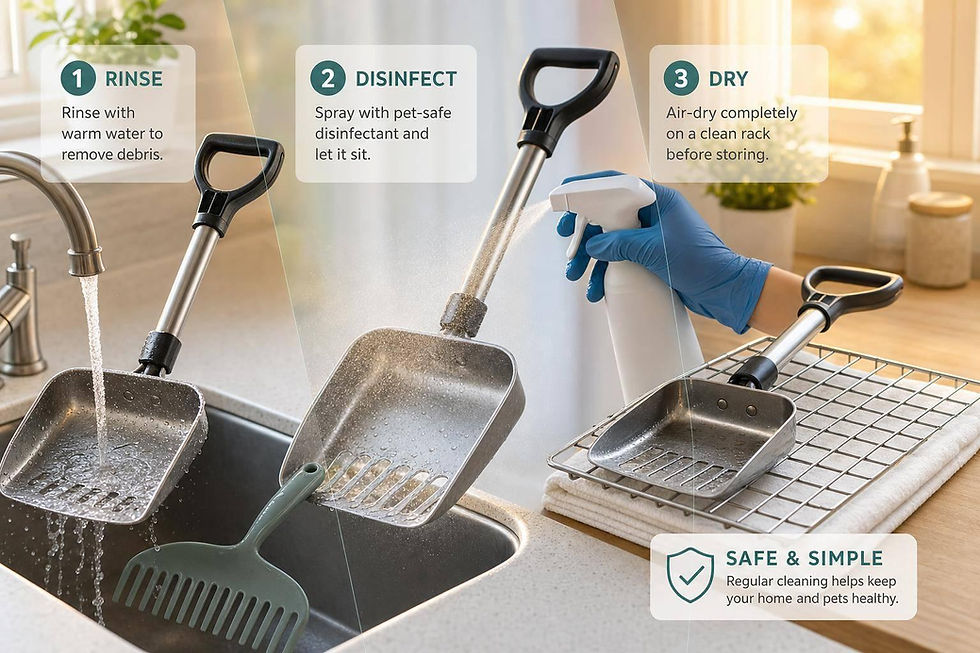
Services like Doody Bug Poop Scooping can take the hassle out of yard cleanup. Operating in the greater Houston and Tomball areas, they offer waste removal starting at $19 per week, with an additional $3 per extra dog. Weekly or twice-weekly cleanups help keep your yard hygienic, which is especially useful for house-training puppies or managing senior dogs with incontinence. For an extra $15 per application, they also provide deodorizing treatments using Wysiwash or KennelSol, which eliminate odor cues that might attract your dog back to the same spots. To ensure hygiene, their tools are sanitized between visits.
Conclusion
A dog's bathroom habits naturally change as they age - puppies, adults, and senior dogs each have their own patterns. Keeping an eye out for shifts in your dog's routine is crucial. Dr. Beth Turner from Preventive Vet emphasizes this point: "What's also very important is a 'change in normal' for your specific dog". Paying attention to the "4 Cs" - Color (ideally chocolate brown), Consistency (firm but not hard), Content (free of worms or foreign objects), and Coating (no mucus) - can help you spot potential red flags.
"A dog's bowel movements are a surprisingly reliable barometer of their overall health, and this is especially true for senior dogs." - Michael Harakal, PawPail
This underscores the importance of staying alert to unusual changes. If your senior dog hasn’t had a bowel movement in 48 hours or if diarrhea persists for more than 24 hours, it’s time to call your veterinarian. Other warning signs include straining, blood in the stool, or unexpected accidents indoors.
In addition to monitoring your dog's health, maintaining a clean yard is just as important, especially as their habits may become less predictable with age. For pet owners in Houston, Tomball, and nearby areas, professional services like Doody Bug Poop Scooping can help ensure your yard stays clean and safe, giving you peace of mind about your dog's well-being.
FAQs
When should poop changes be treated as an emergency?
If your dog's poop changes and is accompanied by symptoms like vomiting, extreme tiredness, or signs of internal injury, treat it as an emergency. Additionally, seek immediate veterinary care if the stool shows unusual colors, abnormal consistency, or significant changes in frequency, as these could indicate serious health issues or potential toxicity.
How can I tell if my senior dog’s accidents are pain or dementia?
To figure out if your senior dog’s accidents stem from pain or dementia, pay attention to their behavior. Signs of pain might include limping, trouble standing up, or hesitating to move around. On the other hand, indicators of dementia could involve confusion, getting disoriented, or house-soiling linked to cognitive decline. Watching for these clues can help determine whether the issue is physical discomfort or mental decline.
What diet tweaks help constipation or loose stool as dogs age?
To help manage constipation or loose stools in older dogs, consider adjusting their fiber intake and ensuring their diet is properly balanced. Since every dog has unique needs, it's best to consult a veterinarian to create a plan tailored specifically to your pet.


Comments