
Top 7 Tips for Training Dogs to Poop in One Spot

Updated: Dec 15, 2025
Training your dog to poop in a designated spot can simplify yard cleanup, protect your lawn, and improve hygiene. Here's how you can do it:
Pick the Right Spot: Choose a quiet, accessible area with good drainage, away from play zones.
Use a Consistent Cue: Introduce a phrase like "Go potty" and stick to a regular schedule.
Leash Training: Guide your dog to the spot on a leash during the first few weeks.
Immediate Rewards: Praise and treat your dog within seconds of them using the correct spot.
Limit Yard Access: Keep the rest of the yard off-limits for bathroom breaks during training.
Keep It Clean: Regularly remove waste and manage odors to encourage use.
Adjust as Needed: Modify timing, location, or rewards if your dog struggles.
Patience and consistency are key. For busy pet owners, professional services like Doody Bug Poop Scooping can help keep your yard clean and odor-free while you focus on training.
How to Train Your Dog to Poop and Pee Outside on Command 💩
1. Choose the Right Potty Spot
The first step in teaching your dog to use a specific potty spot is picking the right location. This choice lays the groundwork for successful training, so take a moment to assess your yard's layout and find the best spot.
Look for a small, defined area that's easy to reach from your back door - this makes those late-night or early-morning trips a breeze. Ideally, the spot should be about 15–20 feet away from your home. This distance keeps odors at bay while still being close enough for a quick leash walk. For example, a spot around 15–20 feet from your patio often works well.
Avoid high-traffic areas like playsets, grills, walkways, or spaces where kids run around. Instead, aim for a quieter corner along a fence line or in a less-used section of the yard. This reduces the chances of unwanted contact and keeps family areas cleaner. Make sure the ground is flat and free of obstacles like thick shrubs or lawn furniture, so you and your dog can navigate the area safely, no matter the weather.
A calm, semi-private spot with some visual separation - like a fence or a row of shrubs - can help your dog feel more at ease. Ensure the area has good drainage and avoid low spots where water tends to collect, as muddy or soggy ground can discourage use and amplify odors.
As for size, a 3×3 ft space works well for smaller dogs, while larger dogs may need a 4–6×6–8 ft area. If you have multiple dogs, consider providing extra space or setting up two spots side by side to avoid crowding. Tailor the dimensions to your dog's size to encourage consistent training.
2. Use a Consistent Potty Cue and Schedule
Once you've picked a designated potty spot for your dog, the next step is to introduce a consistent cue. A simple phrase like "Go potty" works well. Use this phrase only during bathroom trips so your dog starts associating those words with the act of going to the bathroom.
Here’s how to introduce it: Take your dog to the designated spot and wait for signs that they’re about to go - like sniffing, circling, or squatting. The moment you notice these signs, calmly say your chosen cue one time. After your dog finishes, reward them immediately with praise and a small treat, ideally within 1–2 seconds, so they make the connection between the cue, the action, and the reward. Stick to this routine consistently for 2–3 weeks to help them fully grasp the association.
Pairing the cue with a regular schedule will strengthen their understanding. Adult dogs typically need bathroom breaks every 4–6 hours, while puppies require more frequent trips - about every 1–3 hours, especially after waking up, eating, or playing. Create a predictable routine by scheduling potty breaks in the morning, after meals, after playtime, and before bedtime. This not only helps regulate your dog’s bathroom habits but also gives you plenty of opportunities to reinforce the cue.
You’ll know your dog is catching on when they head straight to the designated spot as soon as you step outside, respond promptly to the cue, and have fewer accidents elsewhere. If your dog doesn’t go within 5–10 minutes, calmly take them to a neutral area and try again after 15–20 minutes. Repeat the cue once or twice, then wait patiently for them to respond. Sticking to this routine is crucial for success.
Keeping the potty area clean is just as important as the cue and schedule. A clean space not only encourages your dog to use it but also prevents odors and potential health risks. If you’re in a busy area like greater Houston or Tomball, services such as Doody Bug Poop Scooping can help by offering weekly, twice-weekly, or one-time cleanups and yard deodorizing. This ensures a sanitary environment while you focus on building your dog’s potty habits.
3. Start with Leash Training
Leash training during potty breaks gives you control over where your dog does their business. Instead of letting them roam and pick random spots, guide them directly to the designated potty area. This routine - leash on, walk to the spot, eliminate, reward, then play - teaches your dog that potty time has a clear purpose.
Start by attaching a 4–6 ft non-retractable leash to your dog's collar or harness before heading outside. Walk straight to the chosen spot. Once there, stop and use your potty cue while standing still. Allow your dog to sniff and circle within the leash’s range, keeping their focus on the task at hand.
When your dog eliminates, immediately reward them with praise and a treat. Then, let them enjoy off-leash play as a reward for doing their business in the right place. This contrast helps them understand that the leashed trip means bathroom time, while off-leash freedom is earned.
Stick to this routine for about two weeks before attempting off-leash potty trips. If your dog doesn’t go within 5–10 minutes, bring them back inside and try again after 10–15 minutes. Repetition is crucial - each potty break should follow the same leash-led process until it becomes second nature.
Once your dog reliably uses the designated spot, you can start practicing off-leash trips. If they wander or get distracted, go back to using the leash for a few days to reinforce the habit. Gradually transitioning from leash to off-leash helps solidify their training and ensures they stay consistent.
4. Reward Right Away
Timing is everything when teaching your dog where to do their business. The key is to reward them within 1–3 seconds of finishing - not after you've walked back inside or wrapped up cleaning. That immediate connection helps your dog understand what they did right.
Use high-value treats - small, soft, and extra tasty snacks they don’t normally get - along with lots of enthusiastic praise. Keep those treats ready to go, and as soon as they’re done, offer 2–3 treats quickly, paired with a clear verbal cue like “Yes!” or “Good potty!” This positive reinforcement, followed by a little time to sniff or play in the yard, makes the experience enjoyable and reinforces the routine you’ve been working on.
If your dog has an accident in the wrong spot, clean it up calmly - no scolding or punishment. Harsh reactions can lead to anxiety, which makes training harder. Just skip the reward for that trip and focus on celebrating when they use the designated area. For those who find keeping the yard clean a challenge, services like Doody Bug Poop Scooping in the Houston and Tomball areas can help keep your space tidy.
Stick to rewarding every successful potty break in the right spot for at least 2–3 weeks to build the habit. After that, you can start to taper off the treats - maybe rewarding every other time or just a few times a week - but always keep up the verbal praise and affection.
5. Keep Other Yard Areas Off-Limits for Potty
Once you've established a consistent potty routine with cues and a leash, it's important to keep bathroom habits confined to a single spot. Dogs rely heavily on scent, so if other areas of your yard start to smell like a bathroom, they'll assume those spots are fair game. The key is straightforward: make sure the designated potty area is the only place with bathroom odors, while keeping the rest of the yard clean and odor-free. This helps your dog associate that specific spot with doing their business.
During training, always lead your dog directly to the designated potty area. Avoid letting them roam freely; guide them to the spot right away. Use your potty cue, stay with them until they're done, and then reward them by allowing them to explore and play in the yard. This creates a clear connection: using the correct spot means they get freedom and fun afterward.
If your dog starts to go in the wrong place, calmly interrupt with "uh-uh", guide them to the correct spot, and use your cue. Once they finish in the right area, reward them generously. Avoid punishing mistakes - it can create stress and slow down the learning process.
Clean up any accidents immediately using an enzymatic cleaner to completely eliminate odors. For ongoing odor control, you might want to look into yard deodorizing treatments. Services like Doody Bug Poop Scooping in the Houston and Tomball areas even offer deodorizer applications to tackle lingering smells. Regular professional waste removal can also help keep the rest of your yard poop-free, minimizing scent confusion for your dog.
Most dogs pick up this habit within 2–3 weeks when trained consistently. Stick to supervising and guiding your dog to the potty zone during this time, and hold off on giving them full access to the yard until they're reliably using the designated spot.
6. Keep the Potty Zone Clean and Odor-Free
Keeping your dog's potty area clean isn't just about hygiene - it also reinforces their training by maintaining familiar scents and creating a welcoming environment. Scoop up solid waste immediately after your dog is done, or at least once a day. Leaving waste to pile up can discourage your dog from using the spot.
To manage odors, rinse the area regularly with a garden hose. For surfaces like gravel, artificial turf, or pavement, use a pet-safe enzymatic cleaner weekly. These cleaners break down odor-causing compounds, helping to keep unpleasant smells at bay.
If you're short on time, hiring professional services can be a game-changer. Doody Bug Poop Scooping, for instance, offers weekly or twice-weekly cleanups starting at $16 per week. They’ll even handle deodorizer treatments and proper waste disposal, making it easier to maintain a clean and safe potty zone. Small additional fees apply for extra dogs or special treatments, but their service ensures your yard stays fresh and ready for family use.
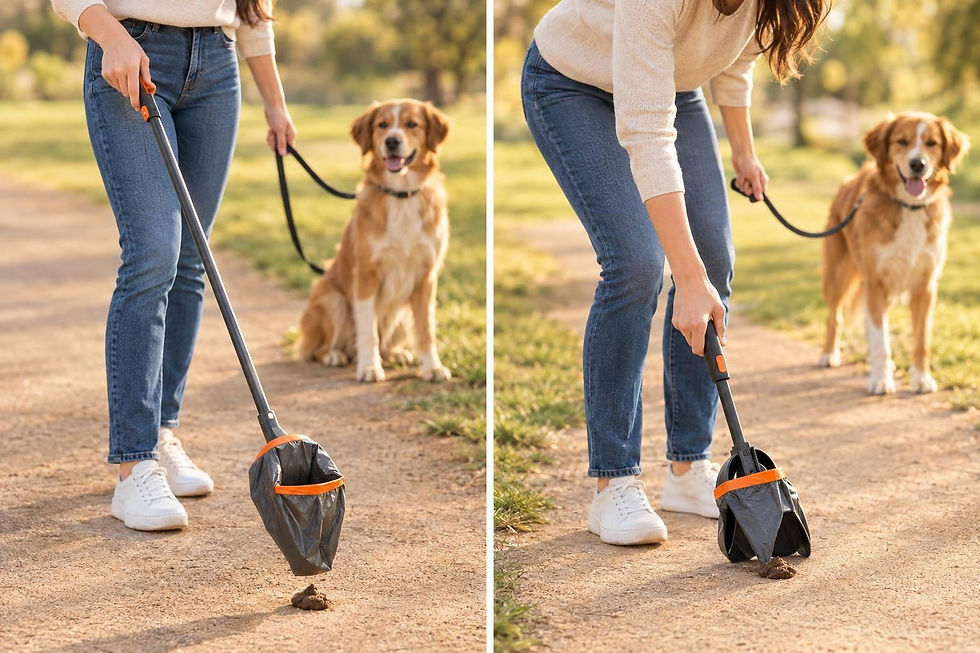
When cleaning up yourself, always bag the waste and dispose of it in your outdoor trash. Wear gloves, and wash your hands thoroughly afterward. Regular cleanups not only keep odors in check but also reduce the risk of flies, indoor tracking, and exposure to harmful parasites like roundworms or hookworms.
During the summer or rainy seasons, step up your cleaning routine. Heat and moisture can intensify odors and encourage bacterial growth. A consistent schedule of scooping, rinsing, and deodorizing will keep the potty zone functional, odor-free, and ready for both your dog’s needs and backyard fun with family and friends.
7. Adjust Your Approach as Needed
Dogs learn at their own pace - some catch on in just a few days, while others may take weeks or even months to get the hang of things. If your dog consistently avoids the designated potty area, holds it until they’re back inside, or starts having more accidents indoors, it’s a clear sign that something in the routine needs tweaking. Start experimenting with small changes to fine-tune their training.
Make adjustments one step at a time, and monitor the results over 3–5 days. You can try shifting potty times by 10–20 minutes after meals or naps, or even changing the location if your dog seems stressed by external noise or activity. Surface preferences also matter - some dogs dislike tall grass but are fine with short grass, pea gravel, or mulch. A simple surface change can sometimes make all the difference. If your dog seems uncomfortable, strains to go, or frequently has loose stool, it’s a good idea to consult your vet to rule out any underlying medical issues that could be interfering with training.
Motivation is key, so don’t hesitate to upgrade rewards if your dog starts losing interest in their current treats. Swap out the usual snacks for small pieces of chicken, cheese, or another favorite treat, and make sure to reward them immediately after they finish in the correct spot. For dogs that love playtime, you can also reward them with a quick game of fetch or a couple of minutes of off-leash fun in the yard after they go. If accidents start to increase indoors, tighten supervision, schedule more frequent potty breaks, and use an enzymatic cleaner to thoroughly eliminate any lingering odors.
If you’ve tried making adjustments and still aren’t seeing progress, it might be time to bring in a professional. Certified trainers or veterinary behaviorists can observe your dog’s body language, assess your yard setup, and create a customized plan tailored to your dog’s specific needs. This can be especially helpful if your dog shows signs of anxiety around the potty area or has a more complicated history that’s affecting their behavior.
Lastly, keeping the yard clean can make a big difference. Residual scents from old waste can confuse your dog, so regular cleanup is essential. Services like Doody Bug Poop Scooping can help by keeping your lawn waste-free with scheduled cleanups. By maintaining a clean yard, you ensure the designated potty area has a clear scent cue, making it easier for your dog to understand where they’re supposed to go while you continue refining your training plan.
Comparison Table
Here's a breakdown of the strategies discussed, highlighting their specific purposes, advantages, and potential hurdles.
Strategy | Best Use | Benefits | Challenges |
Designated Potty Spot Selection | Great for homeowners with yards who want to limit cleanup to a single area; works for both puppies and adult dogs. | Simplifies cleanup, protects lawns and play areas, and minimizes the risk of stepping in waste. | Requires picking a spot that stays dry and avoids mud or flooding; a poorly chosen area may discourage use. |
Leash Guidance to the Spot | Perfect for puppies, newly adopted dogs, or dogs prone to wandering; most effective in the first 2–4 weeks of training. | Offers better control, prevents random elimination, and accelerates learning. | Can be time-consuming; involves walking the dog to the spot consistently, even in bad weather or early mornings. |
Consistent Potty Cue and Schedule | Ideal for households where multiple members share dog care and can stick to a routine. | Helps dogs understand expectations, reduces indoor accidents, and creates a streamlined routine for everyone involved. | Requires consistency in timing and phrasing; mixed cues (like "Go potty" versus "Hurry up") can confuse the dog. |
Immediate Positive Reinforcement | Best for food-motivated dogs and for speeding up the initial training process. | Encourages repeat behavior and shortens training time. | Necessitates carrying treats consistently; rewards must be given immediately to be effective. |
Restricting Potty Access to the Rest of Yard | Useful for keeping lawns, patios, and play areas clean, especially if the dog starts eliminating in random spots. | Keeps the yard cleaner, improves its appearance, and makes it safer for kids and guests. | Requires close supervision; letting the dog roam off-leash too soon may lead to accidents in unwanted areas. |
Spot Management and Odor Control | Ideal for smaller yards, homes with multiple dogs, or warmer climates where odors can become an issue. | Concentrates the dog’s scent in one area, making other spots less appealing for elimination. | Requires regular cleanup and deodorizing; neglecting this can discourage the dog from using the designated spot. |
Professional Poop-Scooping Services | Perfect for busy owners, those with physical limitations, multi-dog households, or messy yards. | Keeps the area consistently clean and low-odor, reduces parasite risks, and supports training by removing off-target waste. | Comes with an ongoing cost (e.g., starting at $16 per week with Doody Bug Poop Scooping in the Houston/Tomball area) and may not be available everywhere. Owners still need to guide the dog to the designated spot. |
Combined Approach (Multi-Strategy) | Best for busy families looking for effective training with minimal hassle; works well during the first 2–4 weeks of training. | Combines leash guidance, consistent cues, and professional cleanup to establish strong habits while keeping the area clean and appealing. | Requires initial time and effort to coordinate multiple methods during the early stages of training. |
Blending strategies often leads to the best outcomes. For example, using leash guidance along with a consistent cue like "Go potty" helps establish a strong association early on. Adding immediate rewards reinforces the behavior, while a service like Doody Bug Poop Scooping keeps the area clean and inviting. With consistent effort over 2–4 weeks, these methods can create a lasting routine.
This guide can help you select the right approach for your situation, ensuring a clean, well-maintained yard and a happy, well-trained dog.
Conclusion
Teaching your dog to use a specific spot for bathroom breaks boils down to three key steps: consistency, positive reinforcement, and keeping the area clean. Stick to the same spot, use a consistent cue like "Go potty", and follow a regular schedule - after meals, naps, and playtime. When your dog gets it right, reward them immediately with treats and praise, then let them enjoy some playtime in the yard.
Accidents are bound to happen, and that’s okay. Stay patient, clean up any messes right away, and redirect your dog to the designated spot instead of scolding them. If progress slows, consider adjusting your approach - try new treats, change up the surface, or keep a closer eye on your pup.
Keeping the area clean and odor-free helps reinforce the habit. For busy families or homes with multiple dogs, a service like Doody Bug Poop Scooping can help. Serving the greater Houston and Tomball area, they offer weekly or twice-weekly cleanups starting at $16 per week, with optional deodorizing treatments to keep the space fresh and inviting.
FAQs
How do I train my dog to always use the same spot for potty breaks?
To help your dog learn to use the same potty spot, take them to the chosen area at the same times each day. This is especially important after meals, naps, or play sessions. Once they do their business in the right spot, reward them right away with plenty of praise, a treat, or some affection. This immediate positive feedback helps reinforce the behavior.
Keep the spot inviting by ensuring it’s clean and free of distractions. Consistency is key - dogs respond well to routines and positive reinforcement. Stick to a schedule, and over time, they’ll understand exactly where they’re supposed to go.
What can I do if my dog won't use the designated potty spot?
If your dog is hesitant to use the designated potty spot, try making the area more inviting. Keep it clean, ensure it’s easy to reach, and minimize distractions nearby. Positive reinforcement can work wonders - reward your pup with treats, praise, or playtime whenever they successfully use the spot.
Sticking to a routine is key. Bring your dog to the same spot at consistent times, like after meals or naps. If they’re still reluctant, placing a small amount of their previous waste in the area can help them connect the spot with the desired behavior. With patience and plenty of encouragement, your dog will eventually get the hang of it.
Can an unclean potty area pose health risks?
An unclean potty area isn't just unpleasant - it can pose serious health risks for both dogs and humans. Piles of waste can become a breeding ground for bacteria, parasites, and germs that may lead to infections or illnesses. Dogs can come into contact with these harmful pathogens and potentially bring them into your home.
By cleaning up regularly, you can minimize these risks and create a safer, healthier environment for your pets and family. Plus, a clean space helps eliminate bad odors and makes your yard a more enjoyable place to spend time.


Comments