
Winter Dog Waste Cleanup: Why It Matters

Managing dog waste during winter isn’t just about keeping your yard tidy - it’s about health, safety, and preventing damage to your lawn and environment. Snow hides waste, but pathogens like E. coli and parasites can survive freezing temperatures, posing risks to pets and people. As snow melts, nitrogen from waste can harm grass, and runoff can pollute waterways. Ignoring cleanup leads to a messy "Spring Thaw Poopocalypse."
Key Takeaways:
Frozen waste still contains harmful bacteria and parasites.
Waste buildup can cause lawn damage and create odor issues.
Cleanup becomes harder and messier when snow thaws.
Tools like metal scoopers, pet-safe ice melt, and LED lights help with winter cleanup.
Professional services, like Doody Bug in Houston, simplify year-round maintenance.
Consistency in winter cleanup saves time, protects your yard, and ensures a safer space for your family and pets.
Problems with Dog Waste in Winter
Health Risks from Frozen Waste
Cold weather doesn’t eliminate the dangers in dog waste. Even when frozen, pathogens like E. coli, Salmonella, and parasites such as Giardia and Toxocara canis can survive, with snow acting as insulation to create a cozy environment for these bacteria to persist.
Dogs can easily pick up these pathogens when walking through contaminated snow or thawing waste. Once on their paws, these hazards can be brought into your home, putting both pets and family members - especially children - at risk. Research shows that 85% of off-leash parks in the U.S. contain traces of intestinal parasites due to uncollected pet waste.
But the risks don’t stop at health concerns. The waste left behind during winter can also wreak havoc on your lawn.
Lawn Damage from Nitrogen Buildup
Dog waste is packed with nitrogen, but unlike the balanced nitrogen in fertilizers, the levels in feces are far too high for grass to handle. This often leads to "nitrogen burn", where grass turns yellow or dies instead of thriving. Snow makes the situation worse by trapping the waste against the soil and grass. Even when frozen, the waste continues to release nitrogen, setting the stage for damage. Once spring arrives and the snow melts, all that nitrogen is suddenly released, leaving behind dead patches, yellow spots, and bare areas on your lawn.
This damage adds to the challenges of dealing with the waste once the snow is gone.
Odor and Cleanup Challenges After Thaw
Winter snow may preserve dog waste, but it also halts decomposition. When spring comes, all that accumulated waste thaws into soggy, smelly messes that are tough to clean. This buildup not only makes cleanup unpleasant but also increases the risk of polluting nearby waterways.
Consider this: a single dog can produce about 50 pounds of waste during a typical snowy winter season. One family in Buffalo, NY, who skipped winter cleanups with their Australian Shepherd, Daisy, found themselves dealing with an estimated 50 pounds of thawed waste come spring. The result? A grueling cleanup process and added environmental concerns.
Common Challenges of Winter Dog Waste Cleanup
Hidden Waste Under Snow
Winter brings its own set of difficulties when it comes to dog waste cleanup, and hidden waste under snow is a big one.
When snow falls, it doesn’t make dog poop disappear - it just hides it. As Doggie Doodies puts it:
When snow falls on your yard, dog poop doesn't disappear. It gets trapped, frozen, and preserved like a little time capsule waiting for spring.
Cold temperatures and the absence of sunlight stop decomposition in its tracks. Over time, additional layers of snow can bury waste even deeper, making it harder to find until the snow melts. What’s worse, roundworm eggs can survive in frozen soil for months, adding a potential health risk. A good strategy is to take advantage of warmer days when snow starts to melt slightly - this is the perfect time to do a thorough sweep of your yard.
Frozen Waste Sticking to Surfaces
Another frustrating issue is dealing with waste that freezes and sticks to surfaces like grass, dirt, or pavement. Removing it can feel like chiseling ice off a windshield.
To loosen it, try tapping the frozen edge with a metal scraper. For particularly stubborn clumps, sprinkle a bit of pet-safe ice melt around the area and let it sit for about a minute before scooping. Tools with serrated or toothed edges can also help break the seal by using gentle, rocking motions. And don’t forget safety - wear boots with good traction or ice cleats to avoid slipping while tackling icy spots.
Shorter Days and Reduced Visibility
Winter’s shorter days can make waste cleanup even trickier, especially during those early morning or evening walks.
With limited daylight, spotting dog waste becomes a challenge, often delaying cleanup until warmer weather arrives. Dookie Doctors explains:
Short daylight, travel, and severe cold can break even disciplined routines.
This delay often leads to a buildup of waste by spring. To combat this, consider using a headlamp or a clip-on LED light to spot hidden waste in the dark. A reflective collar on your dog can also make it easier to track their movements during low-light conditions. These small adjustments can go a long way in keeping your yard clean and safe throughout the winter.
Tools and Techniques for Winter Cleanup
Recommended Tools for Winter Cleaning
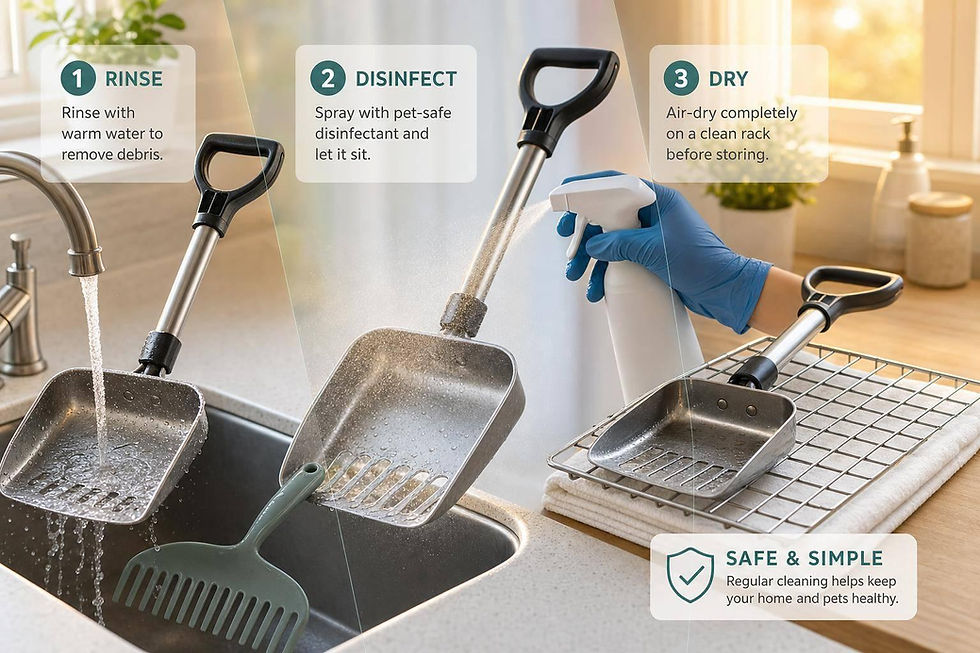
Winter cleanup comes with its own set of challenges, and having the right tools can make all the difference. Stock up on long-handled tools, a sturdy metal scooper, and ice cleats for better footing on icy surfaces. Don’t forget insulated waterproof gloves to keep your hands warm and dry, and a headlamp or clip-on LED flashlight for those short winter days when daylight is limited. To handle waste effectively, use heavy-duty, double-bagged waste bags to avoid tears caused by sharp, frozen edges.
Another must-have is pet-safe ice melt - look for products made from urea or magnesium chloride. These are gentle on your dog’s paws and help prevent waste from freezing to surfaces.
With these tools, tackling winter cleanup becomes much less daunting.
Techniques for Removing Frozen Waste
Frozen waste can be tricky to remove, but a little technique goes a long way. For waste stuck to the ground, avoid brute force. Instead, slide a metal spade under the frozen waste at an angle to lift it. If it’s being stubborn, gently tap it or use a serrated-edge scooper to break the ice bond.
Before starting, brush away loose snow to expose the waste and its edges. Sprinkle pet-safe ice melt around the area, wait about a minute, and then use your spade to lift the waste at an angle. Avoid using boiling water - it can damage your tools and create dangerous ice patches when it refreezes.
If you can’t clean up immediately after your dog does its business, mark the spot with a boot print or a bright flag. This way, you can easily find it later - even if fresh snow falls.
Timing Your Cleanup for Best Results
While tools and techniques are essential, timing can make cleanup much easier. DoodyCalls offers this advice:
"Take advantage of occasional warm days when there is a 'thaw,' to do a clean up. The more waste clean up you do now – the less you will have to do later!"
Plan your cleanup during the warmest part of the day when the sun softens frozen waste. These thaw periods naturally weaken the bond between waste and the ground, making removal far easier. Keep an eye on the weather forecast, and schedule your efforts around these warmer windows. A little extra work now can save you from dealing with a much bigger mess when spring arrives, and all that waste thaws at once.
Professional Services: A Reliable Solution for Houston Winters
Doody Bug's Service Plans and Features
Houston winters might not bring heavy snow, but even a rare freeze can make cleaning up after dogs more difficult. That’s where Doody Bug Poop Scooping steps in. Serving the greater Houston area - including Tomball, Spring, Cypress, The Woodlands, Magnolia, Conroe, and Katy - this service offers flexible scheduling options, including weekly, twice-weekly, or one-time visits, to keep your yard tidy and stress-free.
To go beyond just scooping, they offer deodorizing treatments that leave your yard smelling fresh. They use Wysiwash for grass and KennelSol for patios, decks, and artificial turf, effectively neutralizing odors and killing microbes. Plus, their commitment to hygiene is top-notch - every tool and even their footwear is sanitized with KennelSol between visits, ensuring the highest level of cleanliness.
Pricing and Benefits of Professional Cleanup
Service Type | Starting Price | Key Features |
Weekly Scooping | $16/visit (up to $19 with extra dogs) | Includes thorough scooping, bag sanitizing, and tool disinfection |
One-Time Clean | $15 trip charge + $60/hr | Perfect for post-winter yard resets; prorated based on time spent |
Deodorizer Add-on | $15/application | Uses Wysiwash or KennelSol to eliminate odors and harmful microbes |
Extra Dog Fee | $3/dog | Additional fee for households with multiple dogs |
Hiring a professional service like Doody Bug saves you from spending an estimated 35 hours on cleanup and buying expensive tools. It’s a practical and efficient way to maintain a clean yard throughout winter.
Why Choose Professional Services for Winter
Even mild Houston winters can create unique challenges for pet owners. Frozen waste can pile up, leading to an overwhelming mess come spring. Professional services like Doody Bug work year-round, ensuring your yard stays clean no matter the season, even during sudden cold snaps.
Their strict hygiene protocols make a big difference. While DIY methods often skip proper sanitation, Doody Bug sanitizes all tools between visits to prevent the spread of germs and parasites. Combined with their use of professional-grade deodorizers, they deliver a level of cleanliness that’s hard for homeowners to match.
For dog owners in Houston, relying on professional cleanup services means less hassle, a healthier yard, and peace of mind - even during the trickiest winter conditions.
How to Scoop Dog Poop in the Snow: Pro Tips for Winter Cleanup! ❄️🐶
Conclusion
Managing dog waste during winter isn’t just about keeping your yard tidy - it’s about protecting your lawn, your family’s health, and the environment. Frozen waste may seem harmless, but it traps harmful pathogens like E. coli, Salmonella, and parasites. These can survive the cold for months and become active again when temperatures rise, posing risks to both pets and people.
Beyond health concerns, dog waste also impacts your lawn. As the snow melts, the excess nitrogen in waste can damage grass, leaving behind unsightly patches. Ignoring cleanup during winter can lead to an overwhelming, soggy mess in spring. Worse, runoff from waste can end up in storm drains and local waterways, contributing to pollution.
For Houston pet owners, even the mildest freezes can make cleanup more challenging. That’s why a proactive approach is so important. Doody Bug Poop Scooping provides a reliable solution with scheduled visits, professional tools, and sanitation protocols designed to minimize health risks and protect your yard.
Whether you choose to tackle it yourself or rely on a service like Doody Bug Poop Scooping, staying consistent with winter cleanup can save you from a massive spring headache. A clean yard means healthier grass, safer outdoor spaces, and peace of mind for you and your furry friends.
FAQs
Can frozen dog poop still make people or pets sick?
Yes, even when frozen, dog poop still harbors bacteria, parasites, and pathogens that can be harmful to both humans and animals. Freezing temperatures don’t kill these organisms, so it’s important to clean up regularly to keep your yard safe and hygienic.
How often should I scoop my yard in winter?
In winter, it's a good idea to clean up your yard regularly - ideally after every snowfall or at least once a week. Just because dog waste is covered by snow doesn’t mean it’s gone. It can freeze, get buried, and create problems for both health and the environment. Keeping up with cleanup not only prevents buildup but also saves you from dealing with a messy yard when spring arrives.
What should I do if poop is frozen to the ground?
To tackle frozen waste, use a sturdy metal scoop or shovel. Metal tools are tough and work well in icy conditions, unlike plastic ones that can crack under pressure. If the weather warms up or there's a thaw, the waste may soften, making it easier to remove. For a hassle-free option, you can also rely on professional services like Doody Bug Poop Scooping to handle winter cleanups for you.


Comments