
How to Choose Dog-Safe Drought-Tolerant Plants

If you have a dog and live in a dry climate, your yard needs plants that are both safe for pets and require little water. Many drought-tolerant plants, like Sago Palm and Oleander, are toxic to dogs, so careful selection is essential. Here’s how to create a low-water, dog-friendly yard:
Pick Safe Plants: Use resources like the ASPCA's database to confirm plant safety. Options include creeping thyme, rosemary, and blue fescue.
Plan Around Your Dog: Map out your dog’s paths and activity zones. Use tough ground covers like Frogfruit or Kurapia for high-traffic areas.
Use Safe Mulch: Avoid cocoa shell mulch; opt for cedar bark or pine nuggets instead.
Improve Soil and Drainage: Add expanded shale or decomposed granite to heavy clay soils.
Water Wisely: New plants need regular watering for 1–3 years to establish deep roots. After that, water only during dry spells.
A clean yard is crucial for plant health and your dog’s safety. Services like Doody Bug Poop Scooping can help maintain cleanliness, especially in high-use potty areas. Thoughtful planning ensures your yard stays safe, functional, and water-efficient.
Stop Poisoning Your Pets! 7 Beautiful & Safe Perennials 🐶🐱🌸
Understanding Your Dog's Needs and Yard Conditions
Before diving into planting, take a step back and watch how your dog uses the yard. A calm senior dog lounging in the shade has very different needs than an energetic Border Collie tearing along the fence line.
Assessing Your Dog's Behavior
"Dogs don't care about your garden plan. They're going to run the fence line, dig in the corner, and pee on whatever's closest to the back door." - The Pollinator Patch Garden
Spend a week observing your dog's habits. Note where they run, dig, or mark their territory. These repeated behaviors can compact soil and damage plants, creating "high-traffic" zones. Use this information to plan strategically: install tough ground covers in busy areas and save more delicate plants for quieter spots.
For areas with heavy wear, consider non-toxic native ground covers. Frogfruit (Phyla nodiflora) thrives in sunny spots, while Horseherb (Calyptocarpus vialis) is a great option for shade. Both are low-growing, spread easily, and are safe if your dog decides to munch on them.
Evaluating Soil, Sunlight, and Climate
Once you've mapped out your dog's patterns, turn your attention to the yard itself. Start by checking soil drainage. Poorly draining clay can lead to root rot, even in plants that tolerate dry conditions. If your soil is heavy clay, mix in expanded shale or decomposed granite, which costs about $1–$3 per square foot. Another solution is to create raised planting beds to keep water from pooling around roots.
Next, figure out how much sunlight your yard gets. Is it full sun, partial shade, or mostly shaded? Sun exposure matters because drought-tolerant plants often have specific light needs. After that, check your USDA hardiness zone to ensure the plants you choose can handle your area's weather extremes. For example, in Houston, plants must endure scorching summers and occasional heavy rains. Native species adapted to local conditions are typically the most reliable.
"The goal isn't to find something pretty. The goal is to find something that's still pretty in August. And October. And next spring." - Howard Peñate, Landscaping Expert
Choosing Dog-Safe, Drought-Tolerant Plants
Once you understand your dog's habits and the conditions in your yard, the next step is picking plants that are safe for dogs and can thrive with limited water. A great resource is the ASPCA's Toxic and Non-Toxic Plant Search, which helps you confirm whether a plant is safe before you add it to your yard. From there, you can start incorporating these options into your landscape design.
Groundcovers for High-Traffic Areas
For areas where your dog loves to run and play, you’ll need durable groundcovers. Creeping thyme (Thymus serpyllum) is a standout choice - it tolerates foot traffic, needs very little water once established, and is non-toxic to dogs. Another excellent option is Kurapia (Lippia nodiflora), especially in warmer climates. A study by the University of Arizona found it to be an effective low-water alternative to traditional turfgrass in desert regions. Both creeping thyme and Kurapia are budget-friendly, costing between $0.50 and $1.50 per square foot.
Perennials and Shrubs for Color and Structure
If you want a yard that's both visually appealing and dog-safe, consider adding perennials and shrubs. Rosemary (Salvia rosmarinus) is a fragrant, drought-tolerant shrub that’s completely safe for dogs. Coreopsis (Coreopsis spp.) offers vibrant yellow flowers and thrives in sunny, dry conditions. Sage (Salvia officinalis) brings texture and structure to your yard while requiring minimal water. These plants are widely available at nurseries, typically costing between $5 and $20 per plant.
"Building a xeriscape yard genuinely safe for dogs requires more than swapping one plant for another." - Blooming Expert
For even more variety, ornamental grasses and succulents make excellent additions to your dog-friendly landscape.
Ornamental Grasses and Succulents
Ornamental grasses and succulents can add texture and resilience to your yard while keeping maintenance low. Blue fescue (Festuca glauca) is a compact grass with a striking silvery-blue hue that thrives in dry conditions and is safe for dogs. When it comes to succulents, sedums are a great choice - many varieties are non-toxic and incredibly hardy in drought-prone areas.
Here’s a quick guide to the plants mentioned:
Plant | Type | Drought Tolerance | Pet Safety |
Creeping Thyme | Groundcover | High | Yes |
Kurapia | Groundcover | High | Yes |
Rosemary | Perennial/Shrub | High | Yes |
Coreopsis | Perennial | High | Yes |
Sage | Perennial/Shrub | High | Yes |
Blue Fescue | Ornamental Grass | High | Yes |
Sedum | Succulent | Very High | Yes |
Always double-check plant safety before planting - some popular options like lavender and lantana are toxic to dogs.
sbb-itb-1f9eab4
Planning Plant Placement for a Dog-Friendly Yard
After selecting the right plants and assessing your yard, the next step is figuring out where everything should go. Thoughtful placement not only keeps your yard looking great but also ensures it stays safe and functional for your dog. Even hardy, pet-friendly plants can struggle if they’re not positioned to accommodate your dog’s natural habits.
Mapping Dog Paths and Activity Zones
Once you’ve observed your dog’s behavior in the yard, you can design your garden to work with their routines. Spend a week watching where your dog tends to walk, run, or dig. Most dogs stick to predictable paths, like along fence lines or between the back door and their favorite hangout spot. Use this information to design your yard around their natural routes.
Divide your yard into three main zones:
High-traffic areas: These include paths along fences or near doors. Use durable ground covers or hardscaping here.
Protected plant beds: These areas are for your ornamental plants, safely tucked away from heavy paw traffic.
Transition paths: These guide your dog along their usual routes, keeping them out of sensitive plant zones.
For potty needs, set up a designated 6×10 ft area with pea gravel or decomposed granite. This helps contain messes and makes cleanup easier. If you’re in the Houston area, you can simplify maintenance by using a local service like Doody Bug Poop Scooping to keep the potty area clean. Once you’ve outlined these zones, you can focus on safeguarding your plants.
Protecting Beds and Roots
Plant beds need protection, especially if your dog tends to wander into them. Raised beds (12–18 inches high) or decorative fencing (18–24 inches tall) can help mark these areas as off-limits. For younger plants, an upside-down wire tomato cage can shield them from curious paws - just be sure to bend any sharp edges for safety.
If your dog has a habit of digging, try placing large boulders in garden beds to discourage them from uprooting plants. Another option is to redirect the behavior by creating a dig pit. A sandbox or loose-soil area with buried toys gives them an acceptable place to dig, keeping your plants safe.
Safe Mulch and Ground Treatments
The type of mulch you choose can make a big difference for your dog’s safety. Steer clear of cocoa shell mulch - it’s toxic to dogs due to its theobromine content and its chocolate-like scent often attracts them.
"Cocoa shell mulch - a popular choice for its attractive brown color and pleasant smell - contains theobromine, the same compound responsible for chocolate toxicity in dogs." - American Veterinary Medical Association (AVMA)
Instead, opt for cedar bark chips or pine bark nuggets. These are safer, stay cooler underfoot, and cedar even helps repel fleas. For heavily used paths, decomposed granite (DG) works well. Install it at a depth of at least 3 inches for good drainage and stability, with costs ranging from $1–$3 per square foot installed. If you prefer pea gravel, choose smooth, rounded stones to avoid cuts on your dog’s paw pads - avoid sharp-edged materials like crushed granite or lava rock.
Before letting your dog onto any hardscaped surface, do a quick heat test. Place the back of your hand on the surface for 7 seconds. If it’s too hot for you, it’s too hot for their paws.
Maintaining a Dog-Friendly, Drought-Tolerant Yard
Once you've planted and mapped out your zones, the next step is keeping your plants healthy. While drought-tolerant plants are naturally low-maintenance, they still need some care - especially during their early years.
Watering Plants During and After Establishment
Just because a plant is drought-tolerant doesn’t mean it’s ready to thrive without water from the start. Most species require 1 to 3 years of regular watering to develop deep roots capable of enduring dry conditions on their own. The trick is to gradually reduce watering as the plant matures.
Time Period | Watering Frequency | Amount Per Plant |
First 2 weeks | Every 2–3 days | 1–2 gallons |
Weeks 3–8 | 1–2 times per week | 2–3 gallons |
Months 3–6 | Weekly | 3–5 gallons |
Year 2 | Every 2 weeks (dry spells) | 3–5 gallons |
Year 3+ | Only in severe drought | Deep soak |
This schedule helps new plants adjust to a drought-tolerant lifestyle. When watering, aim for deep soaking to reach 8–12 inches for shrubs and perennials. Check soil moisture by digging 4–6 inches deep - if it’s still damp, hold off on watering.
"Overwatering is the fastest way to kill so-called drought tolerant plants in heavy clay soil." - KnowTheYard
Once plants are fully established, most drought-tolerant gardens only need a deep soak every 10–14 days during dry summers.
Monitoring and Maintaining Yard Health
Keeping your yard healthy involves more than just watering. A little ongoing care can ensure your plants stay resilient while also maintaining a safe space for your dog.
Rinse foliage monthly: This removes dust and discourages pests like spider mites.
Reapply mulch annually: Add 3–4 inches of mulch each year to help retain soil moisture and regulate temperature.
Address urine spots quickly: Dog urine can cause salt stress on plants. Rinse affected areas within 30 minutes to minimize damage.
"More frequent pickup prevents concentrated odor. A DG surface makes this easier than a lawn." - Xeris Landscaping
For dog owners in the Houston area, Doody Bug Poop Scooping offers weekly or twice-weekly waste removal services starting at $19/week. They also provide deodorizing treatments with Wysiwash and KennelSol for $15 per application. Regular cleanup not only keeps decomposed granite and other porous surfaces clean but also prevents harmful bacterial buildup that could affect both your plants and your dog’s health.
Conclusion: Building a Safe, Low-Maintenance Yard for Dogs
Creating a yard that's both safe for your dog and easy to maintain starts with thoughtful planning. Observe your dog's habits and design the space to align with their needs. By choosing the right plants and materials, you can ensure your yard remains safe and functional with minimal effort.
Physical barriers can protect specific areas, while dog-safe mulch helps keep the soil cool and moist. Setting up a designated potty area can prevent nitrogen burn on your grass, and incorporating xeriscaping techniques can cut outdoor water use by up to 50% compared to a traditional lawn.
Regular waste removal is non-negotiable. Leaving dog waste in the yard can lead to unpleasant odors and introduce harmful pathogens into the soil, which can harm even hardy, drought-resistant plants. For dog owners in the Houston area, Doody Bug Poop Scooping offers scheduled waste removal services to keep your yard clean and healthy.
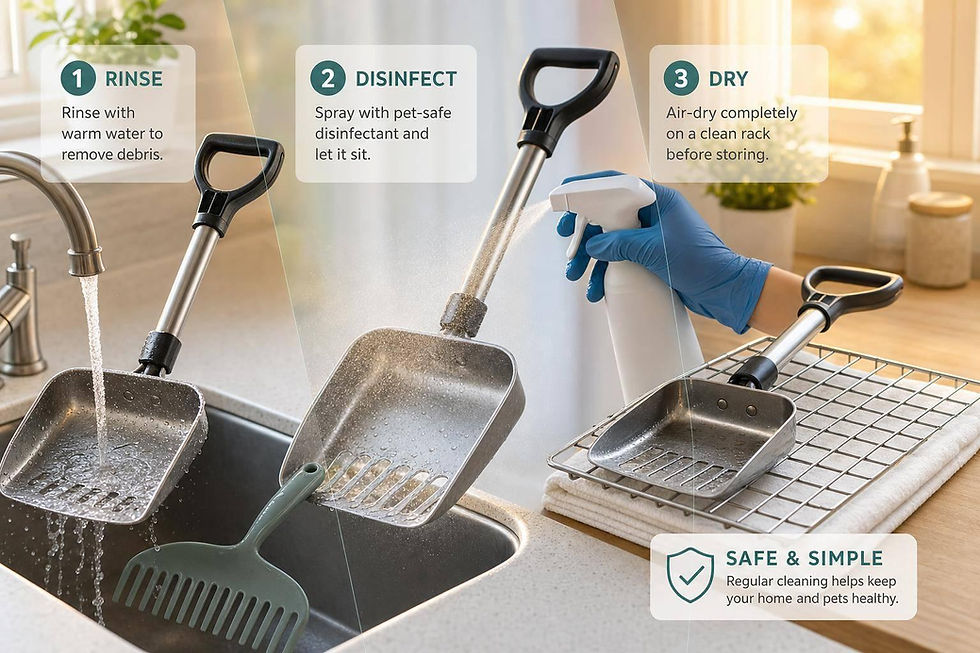
"We make sure to clean our tools by spraying them with cleaning agents (KennelSol) in between each yard to prevent the spread of germs." - Michael, Poop Scooping Pro, Doody Bug
FAQs
How do I double-check if a plant is toxic to dogs?
To determine if a plant is safe for dogs, consult the ASPCA Toxic and Non-Toxic Plant Database. Plants labeled as "non-toxic" don’t contain known systemic toxins but could still cause mild stomach upset if eaten.
If you can’t find a specific plant in the database, it might not have been assessed yet. In such cases, check with reliable sources like university extension programs. If your dog ingests a questionable plant, reach out to your veterinarian or contact the ASPCA Animal Poison Control Center at 888-426-4435 for guidance.
What’s the best dog-safe groundcover for high-traffic spots?
For areas with lots of foot traffic, it’s smart to pick plants that can repair themselves and spread easily. Frogfruit is a great choice for sunny Texas locations, as it handles heavy use without a problem. In shaded spots, Horseherb is a hardy, pet-safe option that bounces back quickly. For more general high-traffic zones, Microclover stands out with its durability and resistance to pet urine. If a path gets especially worn down, hardscape materials like flagstone or decomposed granite can be a solid alternative, giving you a sturdy surface while protecting nearby plants.
How long until drought-tolerant plants need little water?
Drought-tolerant plants need regular watering during their early growth phase to help them establish strong, deep roots. The time required for this varies by plant type: 6–9 months for perennials and grasses, 9–12 months for shrubs, and 2–3 years for trees. Once they've settled in, these plants need far less water, making them an excellent option for creating a low-maintenance, pet-friendly yard.


Comments