
Flea Prevention Tips for Houston Yards

Houston's humid climate makes it a hotspot for fleas all year. To protect your pets and family, you’ll need a consistent approach. Here’s a quick guide to keeping your yard flea-free:
Clean Up Pet Waste: Flea larvae feed on organic material like pet waste. Remove waste daily to stop fleas from breeding.
Mow and Trim Regularly: Short grass and trimmed shrubs expose fleas to sunlight, which kills them. Clear grass clippings and leaf piles to reduce hiding spots.
Improve Drainage: Fleas thrive in damp soil. Fix drainage issues and avoid overwatering.
Use Natural Repellents: Cedarwood oil, diatomaceous earth, and beneficial nematodes are effective non-toxic options.
Sanitize Outdoor Spaces: Deodorizing and heat-based sanitizing treatments can kill flea eggs and larvae.
Apply Professional Sprays: Use sprays with insect growth regulators to disrupt the flea life cycle. Reapply after rain and follow up every month.
Set Up a Grooming Station: Inspect and clean pets after outdoor play to prevent fleas from coming indoors.
Remove Organic Debris: Keep a 6-inch debris-free zone around your home's foundation to block fleas from entering.
Hire Waste Removal Services: Services like Doody Bug Poop Scooping can handle yard cleaning for as little as $19/week.
Key Insight: Start preventive measures in late winter or early spring before fleas multiply. Consistency is critical - missing even one week can restart the infestation cycle.
1. Regular Dog Waste Removal
Effectiveness in Flea Prevention
Dog waste is a prime breeding ground for fleas. Flea larvae thrive on organic debris, and pet waste is one of their favorite food sources. A single flea can lay 50 eggs a day, which means waste accumulation can quickly turn your yard into a "flea hotspot".
Removing waste daily is key to stopping larvae from maturing into adult fleas. This is especially important in Houston, where the hot and humid climate speeds up the flea life cycle. Eggs hatch faster, and larvae grow quickly in areas like pet waste, leaf piles, and dense vegetation.
Additionally, combining regular waste cleanup with yard maintenance, such as mowing, helps disrupt the flea life cycle even further.
Suitability for Houston's Humid Climate
Houston’s frequent rain can spread pet waste throughout your yard, contaminating areas where your family and pets spend time.
Daily cleanup prevents this contamination and keeps organic matter from building up in shady, damp spots - ideal conditions for fleas to thrive. Professional services like Doody Bug offer weekly ($19/week + $3 per additional dog) or twice-weekly cleanups, ensuring your yard stays clean even during Houston's rainiest months.
Cost-Effectiveness for Long-Term Maintenance
The financial benefits of regular waste removal are clear. Treating flea-induced anemia in pets - often requiring hospitalization and blood transfusions - can cost between $1,000 and $1,500.
"It's cheaper to give flea prevention than it is to treat the flea anemia." - Dr. Laura Noaker, Veterinarian and Owner, Vergi 24-7 Critical Care Hospital
Investing in consistent yard maintenance, whether through personal effort or professional services, is far more affordable than emergency treatments. Setting up a designated potty area for your pets can also make cleanup easier by concentrating waste in one spot.
2. Yard Mowing and Trimming
Effectiveness in Flea Prevention
Keeping your lawn trimmed short is a simple yet powerful way to combat fleas. Fleas thrive in damp, shady spots like tall grass, leaf piles, and overgrown shrubs. When you mow regularly, you expose the soil to direct sunlight, which is deadly for flea larvae. Studies show that flea larvae cannot survive when soil temperatures exceed 95°F or when humidity levels drop below 50%.
"Well maintained lawns in sunny sites are unlikely to harbor many fleas." - Texas A&M AgriLife Extension Service
Trimming also helps by clearing away organic debris and "flea dirt" (flea feces), which are crucial for flea larvae to survive. It even discourages rodents and other animals that often carry fleas into your yard.
Suitability for Houston's Humid Climate
Houston’s high humidity levels - often reaching 90% - create perfect conditions for fleas to thrive. Since the area rarely experiences the low humidity levels that naturally kill flea larvae, regular mowing becomes essential. Additionally, Texas’s warm weather means fleas are a year-round problem. Pay special attention to shaded areas near fences, under trees, and around places where pets rest, as these are hotspots for fleas. Adding a 3-foot gravel or mulch barrier between your lawn and wooded areas can also stop fleas from migrating into your yard.
The good news? This type of yard maintenance can easily fit into your usual routine, making it a practical solution for Houston homeowners.
Ease of Implementation
For most people in Houston, mowing the lawn weekly is already part of life during the growing season. The key is to strike a balance - keep the grass short enough to reduce shady spots but not so short that it drives away natural flea predators like spiders and ants.
"By not mowing grass too short you can attract spiders and ants…. two major flea predators." - Mike Cebulski, MJ Lawn
Once you’ve finished mowing, don’t forget to clear away the grass clippings. Leaving them behind creates the kind of dark, damp environment fleas love.
Cost-Effectiveness for Long-Term Maintenance
Americans spend about $9 billion each year on flea control. Regular mowing, however, is an inexpensive way to reduce flea populations. Since most homeowners already spend time and money on lawn care, tweaking your mowing habits to focus on flea-prone areas doesn’t add any extra cost. This simple step can save you from expensive chemical treatments and help keep your pets safe from flea-related health risks.
3. Deodorizing and Sanitizing Treatments
Effectiveness in Flea Prevention
Sanitizing your yard isn’t just about removing odors - it’s a key step in disrupting the flea life cycle. Many chemical sprays miss flea eggs and larvae, but sanitizing methods, especially heat-based ones, can target these stages effectively. For example, washing outdoor pet bedding in water heated to at least 130°F can eliminate flea eggs, larvae, and adults. This approach is particularly important in Houston, where the persistent heat and humidity create an ideal environment for fleas.
"In our area in Houston animals should be on flea prevention 12 months out of the year. We never get quite cold enough to kill all the flea larvae that are out there in the environment." - Dr. Laura Noaker, Veterinarian and Owner, Vergi 24-7 Critical Care Hospital
Suitability for Houston's Humid Climate
Houston’s warm, humid climate provides a perfect breeding ground for fleas, making consistent sanitization a necessity. These conditions can also amplify odors from pet waste, especially in outdoor spaces with features like pools or patios. Deodorizing treatments not only neutralize these odors but also help reduce organic material that can attract fleas. Services such as Doody Bug Poop Scooping offer deodorizing solutions for $15 per application, using products like Wysiwash and KennelSol to keep outdoor spaces fresh and clean.
Cost-Effectiveness for Long-Term Maintenance
Combining deodorizing and sanitizing treatments offers a thorough solution for managing pests while keeping your yard clean and odor-free. Pairing these treatments with regular services from Doody Bug Poop Scooping, which start at $19 per week ($3 for each additional dog), ensures a year-round sanitary and pest-controlled outdoor environment. This approach not only saves time but also helps maintain a healthier yard for both pets and their owners.
4. Natural Repellents and Essential Oils
Effectiveness in Flea Prevention
Natural repellents can work alongside traditional methods, offering a chemical-free way to combat fleas. Cedarwood oil stands out as a top choice for Houston yards, targeting fleas at all life stages - eggs, larvae, pupae, and adults. Products like Wondercide, a plant-based yard spray (priced around $37.99 for a 32-ounce bottle with a 4.4/5 rating from 237 reviews), have been shown to reduce flea populations by up to 70% with just one application.
Another effective option is diatomaceous earth, which eliminates fleas by dehydrating their exoskeletons. At about $16.99 for a food-grade powder (rated 4.3/5 stars from 963 reviews), it’s a cost-effective solution. Beneficial nematodes, tiny worms that prey on flea larvae in the soil, can significantly reduce flea numbers within 24 hours and naturally disappear once their job is done.
"While traditional flea control with pesticides and insecticides is most effective, natural methods can be helpful when used along with these products." - Barri J. Morrison, DVM, PetMD
Suitability for Houston's Humid Climate
Houston’s warm and humid conditions - temperatures between 70°F and 85°F with about 70% humidity - create a perfect environment for fleas to thrive year-round. Cedarwood oil remains effective in these conditions, as it works well in high-moisture areas where fleas hide. Beneficial nematodes also thrive in Houston’s moist soil, making them an excellent choice for flea control in this region. However, diatomaceous earth may need reapplication after heavy rainfall, which is common in Houston. These natural solutions can easily complement other yard treatments for a more comprehensive approach.
Ease of Implementation
These natural methods are not only effective but also simple to use in Houston’s environment. Most plant-based sprays come ready to use, eliminating the need for dilution. Focus applications on shady, damp areas under trees and furniture - prime spots where fleas gather. For a homemade option, mix 1 cup of purified water with 10 drops each of lemongrass and lemon eucalyptus oil in a spray bottle. Beneficial nematodes should be applied in the evening when the soil is moist for the best results.
Safety tip: Essential oils should never be used on or near cats, as they are highly sensitive to these compounds. Additionally, always opt for food-grade diatomaceous earth, as pool-grade versions can be toxic to pets.
Cost-Effectiveness for Long-Term Maintenance
While natural treatments often require more frequent applications than synthetic options, especially during Houston’s rainy season or peak summer months, they remain budget-friendly. Cedarwood chips can be placed along the edges of your property as a long-lasting flea deterrent. Combining diatomaceous earth with occasional plant-based sprays provides a practical way to maintain control, even in the face of Houston’s frequent rains.
How To Treat Your Yard for Fleas And Make Your Lawn Less Attractive To Them
5. Professional Flea and Tick Sprays
Professional flea and tick sprays provide a strong option for tackling stubborn infestations, complementing natural treatments and regular maintenance efforts.
Effectiveness in Flea Prevention
These sprays often combine adulticides with insect growth regulators (IGRs) like pyriproxyfen or methoprene. This dual action kills adult fleas while preventing eggs and larvae from developing into adults. It’s crucial to target areas where fleas thrive, such as shaded, moist spots under decks, shrubs, and porches.
In the U.S., people spend about $9 billion annually on flea control, but many overlook the resilience of flea pupae. These pupae are resistant to most insecticides, meaning a single treatment is rarely enough. Follow-up applications, spaced 7 to 10 days apart, are typically necessary to eliminate newly hatched adults. This is especially true in Houston, where wildlife like raccoons, opossums, and stray cats frequently reintroduce fleas into yards. Professional services are particularly valuable during Houston’s warmer months, when flea activity is at its highest.
"Successful outdoor flea control depends more on controlling fleas in areas where pets routinely rest than in the open, sunny areas of the yard." - Mississippi State University Extension Service
Suitability for Houston's Humid Climate
Houston’s mild winters don’t get cold enough to naturally kill flea larvae, enabling these pests to remain active throughout the year. Professional sprays like Bifen I/T (bifenthrin) are formulated to create a lasting barrier on grass, shrubs, and yard perimeters, even in the city’s humid conditions. For best results, apply weekly sprays for four weeks, followed by monthly treatments.
Before spraying, mow the lawn and clear away debris to expose flea larvae hiding in shaded areas. Focus treatment on places like under decks and shrubs, and ensure pets stay indoors during application. Allow at least one hour for the spray to dry before letting pets back outside.
Cost-Effectiveness for Long-Term Maintenance
When combined with consistent yard care and services like Doody Bug Poop Scooping for waste removal and deodorizing, professional sprays can save money in the long run. While initial costs may seem steep - products like CSI Bifen I/T Insecticide Concentrate cost about $28.95, and Advantage Yard & Premise Spray is priced around $21.99 for a 32-ounce bottle - these treatments help prevent costly pet health issues. Flea-related conditions, such as anemia, can be dangerous and expensive to treat.
"It's cheaper to give flea prevention than it is to treat the flea anemia." - Dr. Laura Noaker, Veterinarian and Owner, Vergi 24-7 Critical Care Hospital
To maintain a flea-free yard, continue monthly treatments after the initial four-week intensive period. Coordinate outdoor treatments with indoor pest control and pet-specific flea prevention to stop fleas from migrating between spaces and restarting infestations.
6. Water Management and Drainage
Managing drainage effectively can significantly reduce standing water and damp soil, which are ideal breeding grounds for fleas in Houston yards.
Effectiveness in Flea Prevention
Flea larvae thrive in specific conditions, particularly when the relative humidity is above 50% - anything lower can make survival impossible. By eliminating standing water and improving drainage, you can reduce the moist areas that fleas need to develop. Lawns that are well-maintained, sunny, and have proper drainage are far less likely to host fleas. Additionally, soil temperatures above 95°F can further deter infestations.
"Improving yard drainage reduces standing water where fleas and ticks thrive, requiring outdoor planning and installation skills similar to pest control prep." - Houston Pest Control
Pay special attention to shaded areas under decks, porches, and shrubs, as these are common flea breeding spots. Clearing out leaf litter and brush also helps eliminate excess moisture. These measures provide a solid foundation for consistent flea control, especially in Houston's humid climate.
Suitability for Houston's Humid Climate
Houston's combination of heat and frequent rain creates an ideal environment for fleas. Since the city doesn't experience freezing temperatures that naturally curb flea populations, managing drainage becomes a year-round necessity. Installing professional drainage systems, aerating soil, and adjusting irrigation to avoid overwatering can all help reduce the dampness that encourages flea larvae growth. Pair these efforts with regular mowing and waste removal to strengthen your yard's defenses. Overwatering should be avoided, as it can inadvertently create conditions that favor flea populations.
Cost-Effectiveness for Long-Term Maintenance
Improving drainage isn't just about pest control - it can also lead to significant cost savings. For instance, effective drainage can help prevent flea-related health issues in pets. Treating a pet for flea-induced anemia in Houston, which might involve hospitalization and blood transfusions, can cost between $1,000 and $1,500 per incident. Considering that Americans spend roughly $9 billion annually on flea control, investing in yard drainage is a financially sound, long-term solution.
"It is so much easier to prevent problems before they end up in the emergency room. Tick control, flea control, parasite control, and vaccines... are there for a reason, to prevent you from having to come to the emergency room." - Dr. Laura Noaker, Veterinarian and Owner, Vergi 24-7 Critical Care Hospital
To maximize results, combine drainage improvements with regular yard upkeep, like mowing and clearing debris. Services such as Doody Bug Poop Scooping can assist with reliable waste removal. This layered approach not only creates a pest-resistant yard but can also save money in the long run.
7. Pet Grooming Stations
Effectiveness in Flea Prevention
Having a grooming station in your yard is like setting up a frontline defense against fleas and ticks. It gives you a dedicated spot to inspect and clean your pets after they’ve been outside, stopping parasites before they can hitch a ride into your home. A quick comb-through with a flea comb and washing your pet’s paws and fur using mild dish soap and warm water can help remove fleas, ticks, and larvae before they settle in. If you’ve treated your yard with chemicals like bifenthrin, remember to wash your pet’s paws afterward to prevent them from ingesting any residues. Just wait about an hour after application for the grass to dry. This simple routine is especially helpful in Houston, where fleas are a constant problem.
Suitability for Houston's Humid Climate
Houston’s warm, humid weather and frequent rain showers create the perfect environment for fleas to thrive all year long. A grooming station offers a quick and easy way to care for your pet after outdoor adventures, complementing other flea prevention strategies like yard maintenance and waste cleanup. Make grooming a year-round habit, but be extra vigilant during the wet and warm seasons when fleas are most active. Used alongside practices like regular mowing, proper drainage, and waste removal, a grooming station becomes part of a comprehensive plan to keep fleas at bay.
Cost-Effectiveness for Long-Term Maintenance
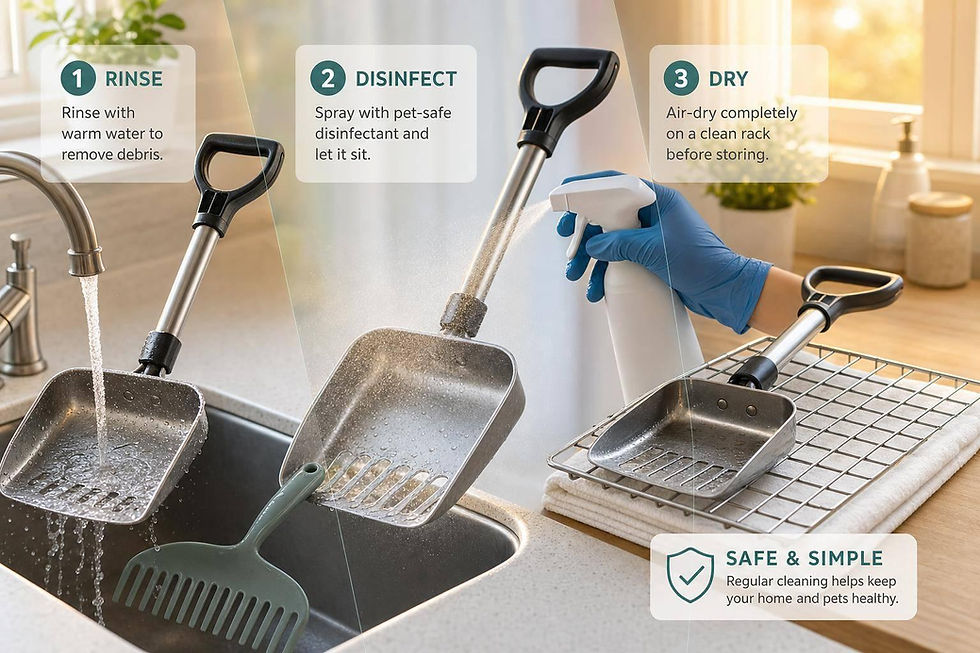
A grooming station is an affordable way to strengthen your flea prevention efforts. All you need are basics like mild dish soap, warm water, and some cleaning tools. This small investment can save you from expensive vet bills down the line. For example, treating flea-induced anemia - a condition that can require hospitalization and even blood transfusions - can cost anywhere from $1,000 to $1,500 per incident. To keep your grooming station effective, sanitize all tools regularly to avoid spreading parasites. Pairing this routine with professional services like Doody Bug Poop Scooping creates a layered approach that helps tackle Houston’s relentless flea problem from multiple angles.
8. Seasonal Monitoring and Reapplication
Effectiveness in Flea Prevention
In Houston, fleas are a year-round issue because winter temperatures rarely drop low enough to eliminate them outright. To get ahead of the problem, start preventive treatments in late winter or early spring. This timing helps disrupt the flea life cycle early. During the first eight weeks, weekly treatments are key to targeting dormant pupae. After that, you can switch to monthly applications to maintain control.
Focus on areas where fleas are likely to hide, and use products with Insect Growth Regulators (IGRs) like methoprene or pyriproxyfen. These ingredients are effective at halting the development of flea eggs and larvae.
Suitability for Houston's Humid Climate
Houston’s mild winters and humid summers create the perfect environment for fleas to thrive year-round. While colder northern climates naturally reduce flea populations, Houston requires a more proactive approach. Preventive treatments should begin in early spring, with increased efforts during the hot and humid summer months when flea activity is at its highest.
Rain can wash away treatments like food-grade diatomaceous earth, so reapply it immediately after showers. For a more natural solution, consider using nematodes. These biological controls should be applied in the evening when the soil is moist, as this helps them survive and effectively target flea larvae. Regularly inspecting your yard for problem areas allows for focused treatments instead of treating the entire space unnecessarily.
Seasonal adjustments, combined with ongoing efforts like clearing waste and improving drainage, can enhance your overall flea control strategy. By integrating these steps with routine yard maintenance, you’ll create a less hospitable environment for fleas.
Cost-Effectiveness for Long-Term Maintenance
With Americans spending around $9 billion annually on flea control, it’s clear that prevention is far cheaper than dealing with a full-blown infestation. A single female flea can lay up to 50 eggs daily, so even a small issue can escalate quickly if not addressed.
Sticking to a structured reapplication schedule - weekly treatments for the first month, followed by monthly maintenance - helps keep long-term costs in check. Simple yard upkeep, like trimming grass to under 3 inches and removing debris, reduces the shaded, humid conditions where fleas thrive. These small but consistent efforts can save you significant money and hassle in the long run.
9. Mulch and Landscape Barriers
Effectiveness in Flea Prevention
Cedar mulch is a smart addition to any flea control plan. Its aromatic oils naturally repel fleas, making it a great choice for areas like porches, patios, and under shrubs. According to MosquitoNix, the scent of cedar mulch is particularly effective at keeping fleas at bay.
However, not all mulch works the same way. Standard or decaying mulch can actually encourage fleas by creating the damp, shady conditions they love to breed in. To combat this, maintain a 6-inch-wide clean zone around your home's foundation. Keeping this area free of plants, mulch, and leaf litter eliminates hiding spots and lowers the chances of fleas sneaking indoors.
"By not having debris surrounding your home, you can prevent fleas from making a home in your lawn" - Tyler Rowlinson, Prime Lawn & Property
This approach works well alongside other yard treatments, especially those designed for Houston's unique climate.
Suitability for Houston's Humid Climate
Houston's warm, humid weather creates the perfect environment for fleas to thrive, especially in shaded, moist areas. Cedar mulch is particularly effective here, as it not only repels pests but also holds up well in local conditions. It's especially useful under decks, around pet resting spots, and along yard edges - common flea travel routes.
To maximize its effectiveness, prune back trees and clear away leaf litter to let sunlight reach the mulched areas. Also, maintain a 6-inch debris-free perimeter to further discourage flea migration. Pairing these measures with proper drainage prevents waterlogged soil, which can attract fleas.
Cost-Effectiveness for Long-Term Maintenance
While cedar mulch might cost more upfront than regular wood mulch, it pays off over time. It provides a lasting, non-toxic defense that reduces the need for regular chemical treatments. With female fleas capable of laying up to 2,000 eggs in just 100 days, a solid barrier is essential.
In Houston, where fleas remain active all year, making lasting changes to your landscape can significantly cut down on the need for frequent treatments. Simply clearing a 6-inch strip around your home's foundation can go a long way in minimizing pest pathways and keeping fleas at bay.
10. Doody Bug Poop Scooping Services
Effectiveness in Flea Prevention
Doody Bug's professional waste removal services play a key role in disrupting the flea life cycle. Flea larvae depend on waste as a food source to grow into biting adults, and by promptly removing waste, Doody Bug eliminates this critical resource. With flea larvae capable of maturing into adults in as little as 5 to 11 days under ideal conditions, maintaining weekly sanitation is essential.
Offering both weekly and twice-weekly service options, Doody Bug ensures timely waste removal. This also helps discourage wildlife that could carry fleas into your yard. When paired with veterinarian-recommended pet treatments and seasonal yard care, Doody Bug's services become part of a comprehensive, three-step flea control strategy.
Suitability for Houston's Humid Climate
Houston’s warm, humid climate creates the perfect environment for fleas, making flea and tick prevention a year-round necessity. Unlike arid regions where low humidity naturally curtails flea populations, Houston’s high moisture levels allow fleas to thrive continuously. Doody Bug addresses this challenge with regular waste removal and optional deodorizing treatments, available at $15 per application, which help maintain a clean and hygienic yard - especially in shaded, damp areas where fleas are most active. They also sanitize tools between visits to prevent cross-contamination, ensuring a thorough and hygienic service. This ongoing maintenance complements broader yard treatment plans tailored to Houston's flea-friendly conditions.
Ease of Implementation
Doody Bug makes maintaining a clean yard straightforward and affordable. Their weekly cleanup service starts at $19 per week for one dog, with an additional $3 per dog. For yards with significant waste buildup, they offer one-time cleanups with a $30 trip charge and a prorated rate of $60 per hour. The service includes scooping, bagging, and disposal, making it effortless for homeowners to keep their yards clean and flea-free.
Cost-Effectiveness for Long-Term Maintenance
Beyond convenience, Doody Bug offers a cost-effective solution for flea prevention. Preventing an infestation is significantly cheaper than dealing with one. Americans collectively spend about $9 billion annually on flea control, highlighting the financial advantage of proactive measures. At $19 per week for one dog, the annual cost of Doody Bug’s service is approximately $988 - a small investment compared to the expense of treating a full-blown infestation.
"Prevention is cheaper than treatment. Once you clear the fleas, don't let them come back. Make environmental control part of your routine." - Elias Whitmore, HoundBite
Considering that a single female flea can lay 27 to 50 eggs daily, stopping the first generation from taking hold is a far more economical and effective approach in the long run.
Conclusion
Keeping yards in Houston free of fleas demands a steady, multi-pronged effort. With a single female flea capable of laying up to 50 eggs a day, skipping even one week of yard care or pet treatment can quickly undo your progress. To fully break the flea life cycle, you’ll need at least eight weeks of consistent treatment and environmental management.
The key to success lies in combining regular yard maintenance, professional services, and targeted treatments. Start by keeping your grass trimmed to under three inches, clearing away debris, and addressing drainage issues. These steps eliminate the damp, shaded areas where fleas thrive. Adding regular waste removal services, like Doody Bug’s weekly cleanups, helps by removing the organic material flea larvae rely on for food - stopping them before they grow into biting adults. These consistent practices create a solid foundation for effective flea treatments.
"A flea-free home isn't about perfection. It's about consistency. One missed vacuum, one ignored patch of grass, one skipped treatment - and the cycle starts again." - Elias Whitmore, Pet Health Author
Consistency is also why early action is crucial. Starting preventive measures before flea populations peak can save you a lot of trouble. Late winter or early spring is the ideal time to begin seasonal control strategies, ensuring small flea populations don’t balloon into full-blown infestations. Focus on high-risk areas like dog runs, shaded spots along fences, and damp spaces under decks where fleas tend to gather.
Considering that Americans spend roughly $9 billion a year on flea control, prevention is a far more affordable option than dealing with an infestation. For just $19 a week, services like waste removal and yard care can help create a lasting barrier to keep fleas from taking hold in the first place.
FAQs
How do I know if fleas are coming from my yard or inside my home?
To figure out where fleas are coming from, observe where they're most active. If you notice fleas mainly on your pets or inside your house, it's a good sign they're originating indoors. On the other hand, if fleas are more common in your yard - especially in shaded, damp areas - it points to an outdoor source. Keep in mind, fleas don’t thrive in hot, sunny, or dry environments, so these spots are less likely to be the problem when inspecting your yard.
What’s the safest way to treat my yard if I have kids or pets outside often?
To keep your yard safe for kids and pets while tackling flea problems, stick to natural, pet-friendly methods that reduce chemical exposure. For instance, flooding the yard with water can help get rid of fleas effectively. You can also use sprays made with essential oils, like peppermint or cedarwood, as these naturally repel fleas. Maintaining a clean yard by clearing debris and reducing shaded spots where fleas tend to hide is another smart step. Steer clear of harsh chemical pesticides to create a safer outdoor space for your family.
Why do fleas keep coming back after rain or mowing?
Fleas often make a comeback after rain or mowing. Rain boosts humidity levels, which creates the perfect breeding ground for these pests. On the other hand, mowing disrupts their habitat, pushing them to scatter and settle in new spots. Together, these factors create conditions that allow fleas to thrive and reappear in your yard.


Comments