
How to Keep Yards Clean with Multiple Pets

If you have more than one pet, yard mess builds up fast. One dog can leave 200 to 275 pounds of waste per year. With four dogs, that can pass 1,100 pounds a year.
I’d keep it simple:
Use one bathroom area
Pick up waste every day
Rinse and treat odor spots
Protect grass by limiting repeat use
Do deeper cleanups in spring and fall
Pet waste is more than a smell problem. It can carry E. coli, Salmonella, and Giardia. It can also kill grass, draw flies, and leave your yard hard to use. In homes with several pets, even a short delay can turn a clean yard into a dirty one.
Here’s the short version of what matters most:
Area | What I’d do |
Bathroom spot | Keep pets going in one part of the yard |
Waste pickup | Scoop once daily for 2 dogs, twice daily for 3+ dogs |
Odor control | Rinse urine spots and use enzyme cleaner where smells stay |
Lawn care | Rotate worn patches and avoid repeat damage in one place |
Seasonal care | Do a full reset in spring and fall |
The main idea is simple: contain the mess, clean it often, and treat odor before it sinks into the ground.
Why Multi-Pet Yards Need More Frequent Cleanup
With multiple pets, waste piles up fast. An average dog produces about 200 to 275 lbs of waste per year. That means a three-dog household can end up with 600 to 825 lbs annually. Skip a few pickups, and the yard can go from fine to messy in just a couple of days. The fix starts with a yard setup that makes daily cleanup simple.
Health Risks From Pet Waste Left in the Yard
Pet waste isn't just unpleasant. It can carry a lot of bacteria. A single gram of dog waste contains about 23 million fecal coliform bacteria, including pathogens like E. coli, Salmonella, and Giardia. In a shared yard, pets, kids, and adults all move through the same areas. That makes it easier to come into contact with contaminated soil during playtime, yard work, or gardening.
Parasites are another issue, especially in homes with more than one dog. Roundworm eggs become infectious in soil within 2 to 4 weeks, while whipworm eggs can stay in soil for years. When several dogs use the same yard, those eggs spread through the same patches of ground more fast, which increases the chance of reinfection. Puppies and senior dogs face more risk in busy bathroom areas.
How Waste Damages Grass, Causes Odors, and Attracts Pests
Dog waste is high in nitrogen and acidity, which can burn grass and leave yellow or brown spots. When dogs keep using the same area, that damage builds up. Rain can also bring odors back out of the soil. On top of that, uncollected waste attracts flies and other pests, which makes the yard a lot less pleasant to use.
That’s why the next step is designing the yard so cleanup stays fast and contained.
sbb-itb-1f9eab4
How to Set Up Your Yard for Easier Cleanup
Once waste starts piling up, yard layout becomes the fastest way to get things under control. A well-organized space makes cleanup simpler and helps keep the mess in one area instead of all over the yard. Before you build a routine, make sure the setup matches how your pets actually move through the space.
Pick One Bathroom Zone and Keep the Rest of the Yard Clean
One of the best changes you can make is to give your pets one set bathroom area. Train them to use that same spot every time. That helps keep waste, odors, and urine damage from spreading across the whole yard.
Pick a spot that's away from patios and outdoor seating, easy to reach in every season, and close to a water source for rinsing. If the ground has a slight slope, even better. It helps with drainage. Building the area on sand or gravel can also help water move through and keep mud from turning into a constant problem.
During the first few weeks, bring dogs to that zone on a leash and reward them right after they go in the correct spot. Pets tend to form habits fast, and steady positive reinforcement goes a long way.
Plan Your Yard Around Surface Type, Traffic, and Family Use
For the bathroom zone, choose a surface that drains fast and rinses off without much hassle. Those surfaces are simpler to sanitize and scoop, which matters more than most people think once this becomes part of daily life.
Surface Type | Cleanup Ease | Key Drawback |
Pavers | Very high - easy to rinse and scrub | Can get hot in direct sun; needs a slope for runoff |
Pea Gravel | High - affordable and easy to scoop | Stones may scatter; can be rough on some dogs' paws |
Artificial Turf | High - drains well and prevents mud | Higher upfront cost; needs regular deodorizing |
Mulch | Medium - reduces mud, natural look | Retains moisture; needs frequent replenishing |
Natural Grass | Low - comfortable for pets | Prone to urine burns, mud, and odor buildup |
Outside the bathroom zone, a few small setup choices can save you a lot of cleanup later. Keep sandboxes covered when they're not in use so pets stay out. And place a dedicated waste station right next to the bathroom area. That can be as simple as a scooper, bags, and a sealed bin. When everything is right there, it's much easier to pick up waste right away instead of putting it off.
With the yard zoned, the next step is sticking to a regular pickup routine.
How to Build a Daily and Weekly Waste Removal Routine
Once your yard is set up and each surface has the right tools, the next move is simple: stick to a set schedule. That routine is what stops waste from piling up and turning into a bigger mess.
Pick Up Waste Once or Twice a Day to Stop Buildup
In multi-pet yards, daily scooping is the safest starting point. Pick up waste before it gets tracked outside the bathroom zone or spread across the yard.
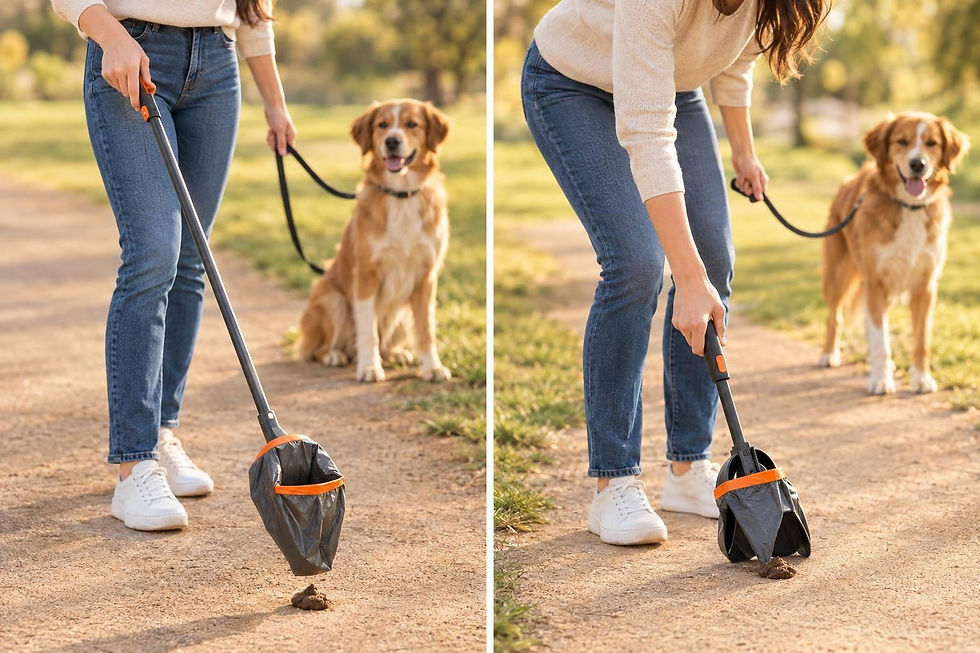
The right tool helps, too. On grass, a long-handled rake-and-bin setup is easier on your back. On hard surfaces like patios or pavers, a flat-pan scooper usually does the job better. Start with a basic routine, then tweak it as your home, schedule, or pet count shifts.
How to Bag, Dispose, and Sanitize Tools After Each Cleanup
A cleanup routine only works when your tools stay clean. After each round:
Seal waste in a heavy-duty bag
Put it in a lidded outdoor trash can
Wash your hands with soap and water
Disinfect scooping tools before storing them
It takes a few extra minutes, but it helps keep odors down and cuts the mess the next time you clean.
Match Your Cleanup Schedule to the Number of Pets You Have
Use this table as a starting point:
Number of Dogs | Recommended Frequency | Odor Control | Lawn Impact | Workload |
1 Dog | 2–3 times per week | Moderate | Low (if consistent) | Low |
2 Dogs | Once daily | High | Moderate | Medium |
3+ Dogs | Twice daily | Essential | High (risk of burn) | High |
If you have three or more dogs, twice-daily cleanup can help lower the risk of pests and parasites. Roundworm eggs can become infectious after sitting in soil for just 2 to 4 weeks, so this isn’t only about how the yard looks.
For busy households, Doody Bug Poop Scooping offers scheduled waste removal and deodorizing in the greater Houston and Tomball areas.
How to Control Odors and Sanitize the Yard After Pickup
After scooping, urine, residue, and soaked soil can still leave the yard smelling rough. Picking up solid waste helps, but it doesn't solve the whole problem. What's left behind needs cleanup too.
How to Use Water, Baking Soda, Vinegar, and Enzymatic Cleaners
For grass and other high-use potty zones, rinse the area daily with a garden hose. That helps dilute urine before it builds up in the soil.
On patios or small concrete spots, a diluted white vinegar solution can help with fresh odors. You can also sprinkle baking soda on smelly areas and rinse it away.
Artificial turf, gravel, and wood usually need something stronger. In those cases, enzymatic cleaners tend to work better because they break down the proteins in urine and waste. Most bottles cost about $15 to $30.
When to Use a Deodorizing Treatment on High-Use Areas
If the same patch gets hit over and over by three or more dogs, or if warm weather makes smells stick around even with regular scooping, it's time for a deeper treatment.
Houston summers are a good example. Heat and humidity speed up waste breakdown and bacterial activity. At that point, basic DIY cleanup may not be enough.
Doody Bug Poop Scooping offers professional deodorizer treatments for $15 per application using Wysiwash or KennelSol. These treatments can be used on lawns, patios, decks, and turf.
Odor-Control Options Compared by Surface, Cost, and Strength
Start with the mildest method that works for that surface. If the smell keeps coming back, move up to a stronger option.
Method | Odor Reduction | Microbe Reduction | Estimated Cost (USD) | Best Surface |
Water Rinse | Low | Minimal | Utility cost only | Grass, turf, gravel |
Baking Soda / Vinegar | Moderate | Low | $5–$10 (DIY) | Patios, small concrete spots |
Enzymatic Cleaners | High | Moderate | $15–$30 per bottle | Grass, artificial turf, gravel, wood |
Agricultural Lime | High | Low | $10–$20 per bag | Soil, gravel, dog runs |
Professional (Wysiwash / KennelSol) | Very High | High | $15+ per application | Lawns, patios, decks, turf |
For day-to-day control, water rinses and spot treatments usually do the job. Save stronger products for areas that get heavy use.
Long-Term Habits for Keeping a Multi-Pet Yard Clean
Train Pets to Use One Area and Rotate Worn Spots
Once you have a daily cleanup routine, the next step is keeping the yard from sliding backward. Take each dog to the same bathroom area every time they go out, and reward them right away when they use that spot. That kind of consistency is what helps the habit stick.
It also helps to keep that area clean. Dogs are more likely to return to a spot that feels familiar and clean. If the potty zone starts to look worn down, close it off for a bit and move dogs to a nearby patch instead. Rotating those high-traffic areas gives the grass time to recover.
Schedule Seasonal Cleanups Before Waste and Odor Build Up
Sometimes day-to-day upkeep isn't enough, and that's when a seasonal reset makes sense. A spring and fall yard cleanup can catch waste hidden under leaves, snow, or yard debris, especially along fence lines and behind bushes. Early spring and late fall are smart times for a deeper cleanup before buildup starts to outpace your regular routine.
If things have already piled up, a one-time professional cleanup can help get the yard back under control. Doody Bug Poop Scooping offers one-time cleanups for yards with heavier-than-normal buildup.
Conclusion: Keep Your Yard Safe, Clean, and Easy to Manage
The best long-term routine is simple: keep pets using one designated area, rotate worn spots when needed, and do seasonal resets before buildup turns into a bigger issue.
A yard with multiple pets doesn't have to be hard to manage. With the right setup and a steady schedule, it can stay clean, safe, and easy to use for both your pets and your family.
FAQs
How do I train multiple dogs to use one potty area?
Take your dogs to the same designated spot every time they need a bathroom break, and reward them right away when they use it. Sticking with the same location and a steady daily routine helps them settle in faster.
Keep that area clean, and think about using gravel, mulch, or artificial turf to make upkeep easier and help with odor control. If cleanup starts to feel like a chore, Doody Bug Poop Scooping offers waste removal and deodorizing services.
What’s the best surface for a multi-pet bathroom zone?
The best surface comes down to your budget and how much upkeep you want to deal with, but hardscape materials usually do a better job than grass when it comes to managing nitrogen.
Pea gravel is a popular low-cost pick. It drains well and tends to stay cooler, which makes it a solid fit for many yards.
Artificial turf has a clean, polished look, but it needs professional-grade drainage to help prevent ammonia buildup. Mulch is another budget-friendly choice, though you may need to replace it over time. Decomposed granite is durable and drains fast.
No matter which surface you choose, proper slope matters for both drainage and hygiene.
When should I get professional yard cleanup help?
Consider getting help if waste cleanup feels like too much, you keep avoiding parts of your yard, or the mess has started to pile up. It can make a big difference for busy households, homes with multiple dogs, or yards with more ground to cover.
In the greater Houston and Tomball areas, Doody Bug Poop Scooping offers weekly or one-time cleanups starting at $16 per week. They also offer deodorizing treatments to help keep your yard sanitary and pleasant.


Comments