
Why Trained Dogs Still Have Accidents

Even well-trained dogs can sometimes have accidents. This can happen for several reasons, including incomplete training, changes in routine, stress, medical issues, or developmental phases. Here's what you need to know:
Training Gaps: Inconsistent rewards or assuming a dog is fully trained too early can lead to setbacks. Dogs need supervision until 12–18 months old.
Routine Changes: Shifts in schedules, environment, or social dynamics can confuse dogs and disrupt their habits.
Stress and Anxiety: Separation anxiety, loud noises, or fear can cause accidents. Punishment worsens the issue.
Medical Problems: Health conditions like UTIs, diabetes, or arthritis may mimic behavioral issues.
Developmental Phases: Adolescence and hormonal changes can temporarily disrupt training.
Quick Tips to Fix the Problem:
Retrain: Go back to basics with a consistent schedule, rewards, and supervision.
Rule Out Health Issues: Visit a vet to check for medical causes.
Stick to Routine: Keep feeding, walking, and potty schedules consistent.
Clean Thoroughly: Use enzymatic cleaners to remove scent markers.
Reduce Stress: Address anxiety triggers and avoid punishment.
Most issues resolve within 2–4 weeks with consistent effort. If needed, professional help like waste removal services or dog trainers can support your efforts.
Are YOU Causing The Puppy Potty Training Accidents?
sbb-itb-1f9eab4
Why Trained Dogs Have Yard Accidents
Even the most reliable dogs can occasionally have accidents. Figuring out why this happens is the first step to solving the problem.
Incomplete Training or Inconsistent Rewards
Sometimes, owners assume their dog is fully trained when it’s not quite there yet. Dogs need close supervision until they’re about 12–18 months old to be considered consistently reliable.
Another common issue is stopping rewards too soon. When a dog starts doing well, it’s tempting to cut back on treats and praise. Unfortunately, this can confuse your dog and lead to setbacks. The fix? Keep offering intermittent rewards - even after your dog seems fully trained - to reinforce good behavior.
But training isn’t the only factor. Changes in your dog’s daily life can also lead to accidents.
Changes in Routine and Environment
Dogs rely on routine. Any disruption - like altered work hours, feeding schedules, or walk times - can throw them off. As PetPlace.com explains:
"Dogs thrive on routine, and some dogs will begin to have accidents when there is a change to their routine."
Environmental changes can be just as confusing. For instance, a dog trained in one house might not realize the same rules apply in a new home, hotel, or even after a remodel. PetPlace.com emphasizes this point:
"Just because a dog knows they shouldn't eliminate in your house, doesn't mean they'll know they shouldn't eliminate in a new home."
Social changes, like introducing a new baby, another pet, or frequent visitors, can also cause stress-related accidents or territorial marking. Even minor changes, like moving furniture or seeing unfamiliar dogs outside, might prompt your dog to mark areas as their territory.
Stress, Anxiety, and Fear
Stress can trigger physical reactions in dogs, including accidents. Dr. Jo Myers, a veterinarian, explains:
"In this state, many dogs are no longer able to control their behavior or bodily functions."
Stressors like separation anxiety are common culprits. Dogs with this condition often have accidents near doors or windows where they last saw you leave. Loud noises - thunderstorms, fireworks, or construction - can also lead to fear-based elimination, making your dog avoid their usual outdoor spot.
Submissive urination is another possibility. This happens when a dog feels threatened or overly excited during greetings, leading to accidents as a way to show submission.
Punishing your dog for accidents only makes things worse. It increases anxiety, which can cause more accidents or make your dog afraid to eliminate in front of you. If setbacks occur, be patient - 2–4 weeks of consistent retraining may be needed to get your dog back on track.
Other Factors That Cause Accidents
Beyond routine changes and stress, several other elements, including developmental stages and health concerns, can lead to accidents.
Adolescence and Hormonal Changes
The "teen phase" in dogs typically occurs between 4 and 12 months of age. During this period, rapid brain development and hormonal shifts can sometimes cause temporary setbacks in potty training. This regression is a normal part of their teenage growth phase. For example, intact males may start lifting their legs to mark territory before they turn one year old. Additionally, puppies generally don’t achieve full bladder control until they’re around 16 weeks old. As veterinary reviewer Karen Piwinski explains:
"Avoid frustration if your puppy regresses during training. They just need time, understanding, and patience. This will help them get back on the right track."
While developmental changes are normal, it’s also important to consider health problems that might look like training setbacks.
Medical Issues That Look Like Behavioral Problems
If a dog that was previously reliable starts having accidents, it could point to an underlying health issue. Conditions like urinary tract infections (UTIs) or bladder stones can cause an urgent need to urinate, making it difficult for the dog to hold their bladder. Diseases such as diabetes or kidney problems can increase thirst and urine output, which might overwhelm their ability to hold it in. Gastrointestinal issues - like parasites, food allergies, or inflammatory bowel disease - can also lead to sudden accidents.
For older dogs, Canine Cognitive Dysfunction (similar to dementia in humans) may cause them to forget their house-training habits. Additionally, arthritis or spinal pain might make walking outside uncomfortable, leading them to eliminate indoors instead.
Before assuming the issue is behavioral, consult your veterinarian to rule out medical causes. A basic evaluation typically costs between $60 and $250. However, more complex cases requiring tests like bloodwork or imaging could range from $650 to $1,200. Proper medical attention can help address both health-related and behavioral accidents.
Poor Supervision and Crate Training Errors
Accidents often occur when dogs are given too much unsupervised freedom. Even a seemingly well-trained dog might find hidden spots in the house or yard to eliminate if left unattended. As Karen Piwinski points out:
"Even if your puppy seems to be trained, be careful to watch them closely. They often learn to go behind the couch or in other areas where they're not carefully monitored."
Mistakes in crate training can also contribute to accidents. For instance, leaving a dog crated longer than their bladder can handle may force them to eliminate in the crate. On the other hand, not using a crate or a confined space when supervision isn’t possible allows them to eliminate in undesired areas. Tools like baby gates, crates, or exercise pens can help keep your dog within sight until they’ve been accident-free for several weeks. Addressing gaps in supervision and refining training techniques are essential steps to prevent accidents and maintain cleanliness.
How to Prevent Yard Accidents
Once you've ruled out any medical issues and pinpointed the cause, you can take specific steps to help your dog get back on track. With consistent effort, most cases improve within 1–2 weeks.
Retraining: Start Over with the Basics
Go back to the fundamentals of training. Take your dog outside on a leash every 2–3 hours - right after waking up, 15–30 minutes after meals, and after playtime. Even in a fenced yard, keeping them on a leash helps reduce distractions and keeps them focused.
Stay outside for at least 15 minutes during each trip. Some dogs can get sidetracked and may not fully empty their bladder or bowels right away. When they do finish, reward them immediately with high-value treats and lots of praise to strengthen the connection between outdoor elimination and positive outcomes.
Indoors, use tools like baby gates, crates, or tethering (leashing your dog to you) to prevent them from sneaking off to other rooms. Clean any accidents thoroughly with enzymatic cleaners - regular household cleaners can leave behind pheromones that encourage repeat accidents. As Dr. Ian Dunbar points out:
"Dogs do not have a concept of revenge or spite. When they eliminate indoors, they are responding to a physical need, an emotional state, or a gap in their training - never to punish their owners".
Create a Consistent Daily Routine
Pair retraining with a predictable daily schedule. Dogs thrive on routine. Feed them at the same times every day to help regulate their digestive system - a steady eating schedule leads to a steady bathroom schedule. Take them to the same spot in the yard each time, using the same door and a consistent verbal cue like "Go potty".
For 1–2 weeks, track your dog's eating, drinking, and bathroom habits to understand their natural rhythm. This makes it easier to time trips outside before accidents happen. During big life changes, like moving or a new work schedule, sticking to this routine becomes even more important to prevent stress-related accidents.
A solid routine not only helps with training but also reduces stress, creating a calmer environment for your dog.
Reduce Stress and Anxiety
If anxiety is contributing to accidents, try gradually exposing your dog to new environments using the "7-7-7 Rule." Introduce them to seven types of surfaces (like grass, gravel, or sand), seven different locations (such as your backyard, a park, or a friend’s yard), and seven types of people to build their confidence. For older dogs, adding nightlights can make nighttime trips less intimidating.
Avoid punishing your dog for accidents. Scolding often increases fear and anxiety, which can teach them to hide when they need to go instead of showing you. If your dog exhibits severe separation anxiety - like pacing, excessive vocalizing, or destructive behavior along with accidents - it may be time to consult a certified dog trainer or an animal behaviorist.
Keep Your Yard Clean and Hygienic
A clean yard is a key part of reinforcing your dog's positive elimination habits. Even if your yard looks spotless to you, it might still hold scent cues that encourage repeat accidents. Dogs' noses are incredibly sensitive - 10,000 to 100,000 times more so than ours. This means they can detect residual urine and fecal proteins that act as scent markers, even when you can't smell a thing. As Haley Young, a dog researcher, explains:
"Your dog's nose is 10,000 to 100,000 times more sensitive than yours. Even if you can't smell anything, your dog can still detect the urine marking they left behind."
These scent markers signal to your dog that a spot is acceptable for elimination. If waste is left to accumulate, your dog may start to treat the entire yard as their bathroom - or worse, they might look for cleaner surfaces indoors, like rugs. Regularly removing waste breaks this cycle and supports your training progress.
There’s also a health angle to consider. Accumulated waste can harbor internal parasites, like worms, which may cause gastrointestinal issues. These health problems can lead to accidents before your dog reaches their designated elimination spot.
Professional Waste Removal Services
For busy pet owners, professional waste removal services can be a lifesaver. Doody Bug Poop Scooping offers scheduled yard cleanups starting at $19 per week, with additional fees for extra dogs and specialized pickups. In the Houston and Tomball areas, their weekly service starts at $19 per week, plus $3 for each additional dog. Their service includes scooping, bagging, and disposal. They also provide twice-weekly pickups and one-time cleanups for yards with heavy waste buildup, which start at a $30 trip charge plus $60 per hour (prorated).
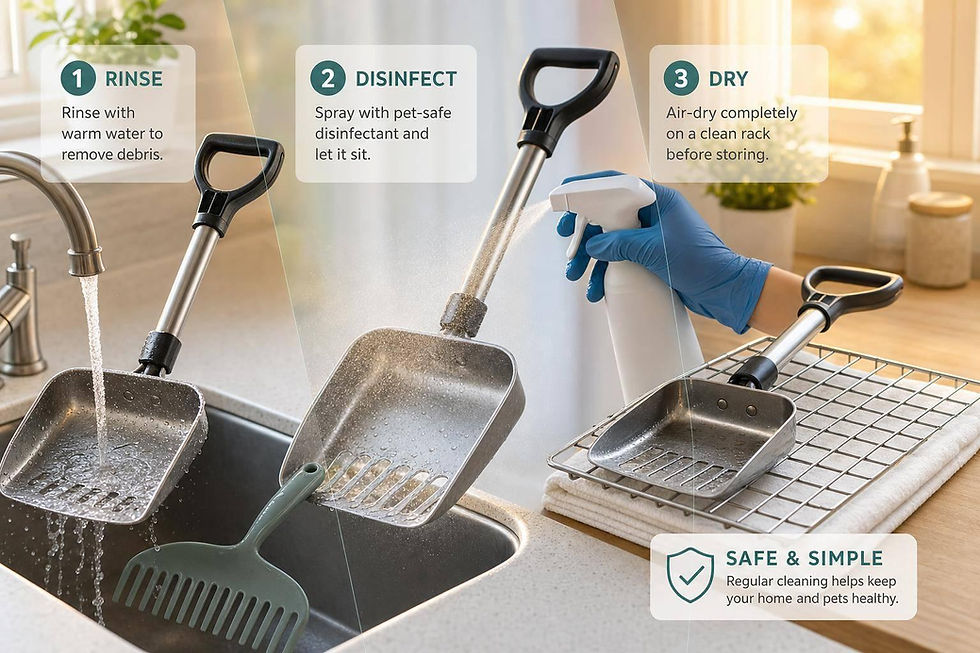
One of the standout benefits of professional services is their consistency. Doody Bug sanitizes their tools between visits to prevent cross-contamination and sticks to a reliable schedule. This dependability is especially important when retraining your dog, as it ensures your outdoor space remains clean and inviting. Regular maintenance also prevents scent markers from building up, which could otherwise derail your training efforts.
How Deodorizing Treatments Help
Keeping your yard scent-free involves more than just regular waste removal - it also requires effective odor control. While standard cleaners might mask odors for humans, they often leave behind pheromones that dogs can still detect. Enzymatic treatments, however, chemically break down the proteins in urine and feces, eliminating the scent cues dogs rely on to identify elimination spots.
Doody Bug offers deodorizing treatments using Wysiwash and KennelSol for $15 per application (pricing varies by yard size). These enzymatic treatments target odor-causing proteins, discouraging your dog from returning to previously soiled areas. Dr. Duncan Houston BVSc emphasizes this point:
"Dogs may return to previously soiled areas if odors remain. Use enzymatic cleaners (not just air fresheners) to eliminate scent markers."
Conclusion
Even the best-trained dogs can have occasional accidents. When this happens, it's essential to figure out the cause - whether it's a health issue, a behavioral setback, or a change in their environment. Interestingly, about 20–30% of adult dogs with new-onset house soiling are dealing with underlying medical problems. So, always start by ruling out any health concerns.
If medical issues aren’t the cause, it’s time to revisit the basics of training. Focus on consistent routines, like crate supervision, immediate rewards for correct behavior, and a strict potty schedule. Also, be sure to remove scent markers thoroughly. Dogs don’t eliminate indoors out of spite; they’re responding to unmet physical needs, emotional stress, or gaps in their training.
Cleanliness plays a big role too. Use enzymatic cleaners to eliminate odors, and don’t hesitate to call in professionals if needed. For instance, Doody Bug Poop Scooping offers dependable weekly cleanup and deodorizing services to keep your yard fresh and odor-free.
Retraining can take 2–4 weeks for more serious setbacks, so patience is key. Avoid punishment, stick to your routine, and stay consistent. A clean, scent-free yard not only supports your efforts but also helps your dog regain their house-training habits.
FAQs
How can I tell if my dog’s accident is medical or behavioral?
If your dog has an accident, it’s important to figure out whether the cause is medical or behavioral. Look for signs like straining to urinate, blood in the urine, pain, or lethargy - these could point to a medical issue that requires a vet’s attention. On the other hand, if accidents occur during moments of stress, excitement, or changes in routine, it’s probably a behavioral issue. Paying attention to patterns in your dog’s behavior can help you pinpoint the cause.
What’s the fastest way to retrain a dog after a potty setback?
Retraining a dog after a potty setback starts with re-establishing consistent routines and focusing on positive reinforcement. Take your dog outside regularly, especially right after meals, naps, or playtime. When they go in the correct spot, reward them immediately with praise, treats, or both to reinforce the behavior.
If accidents happen indoors, clean the area thoroughly to eliminate any lingering odors that might encourage repeat incidents. Avoid scolding or punishment, as this can confuse your dog and make the process more challenging. Patience and consistency are key to helping your furry friend get back on track.
How do I remove yard scent marks so my dog stops re-soiling?
To prevent your dog from re-soiling your yard, it's important to eliminate urine odors effectively. Use enzymatic cleaners or other odor-neutralizing products to thoroughly clean any marked areas. This helps break down the scent that encourages your dog to return to the same spot.
Another helpful strategy is to train your dog to use a specific area for bathroom breaks. Consistent reinforcement can reduce the likelihood of re-marking. Additionally, make it a habit to regularly remove waste and apply scent-neutralizing products. This keeps your yard cleaner and less tempting for your dog to revisit previously marked spots.


Comments