
How Heat Affects Pet Waste Odors in Yards

When summer heat kicks in, pet waste odors can quickly become unbearable. Rising temperatures speed up bacterial decomposition, releasing stronger smells into the air. Humidity traps these odors, making them linger longer and creating ideal conditions for bacteria, parasites, and pests like flies.
Here’s what you need to know:
Heat accelerates decomposition, releasing ammonia and other gases.
Humidity traps odors, intensifying the smell and reactivating old urine spots.
Health risks increase as bacteria and parasites thrive in warm conditions, potentially affecting humans and pets.
Yards suffer, with pet waste burning grass and attracting pests.
To manage odors:
Clean up waste daily or twice weekly.
Use enzymatic cleaners to neutralize urine crystals.
Hose down affected areas and improve yard ventilation.
Consider professional services for regular cleanups and odor treatments.
For example, services like Doody Bug Poop Scooping in Houston offer weekly plans starting at $16 and deodorizing treatments for $15. Regular maintenance is key to keeping your yard odor-free and safe during the summer.
Why Heat Makes Pet Waste Smell Worse
When the temperature rises, pet waste odors seem to get worse - and there's a scientific reason for it. Heat speeds up the breakdown of pet waste in your yard by encouraging bacterial growth and accelerating decomposition. This process releases concentrated odor gases into the air.
Here’s the basic chemistry: as bacteria break down the proteins in feces, they release ammonia and other strong-smelling compounds.
Urine, however, presents its own unique problem in hot weather. As water evaporates quickly in the heat, it leaves behind uric acid. This compound doesn’t dissolve in water and instead crystallizes on porous surfaces like concrete and soil. These crystals act as a long-lasting source of ammonia, keeping the smell around far longer than the initial mess.
Bacteria and Decomposition Work Faster in Heat
While urine contributes to the problem, the bacterial activity on feces takes things to another level. High temperatures create the perfect environment for bacteria to multiply and break down organic matter more quickly. What might take days to become noticeable during colder months can intensify within hours on a hot summer day in places like Texas. The heat provides the energy needed for odor-causing molecules to transition into gases, making them airborne and much more noticeable.
Adding to the issue, summer humidity doesn’t just make the air feel sticky - it also traps these odor molecules, preventing them from dispersing. This creates a perfect storm for unpleasant smells.
How Humidity Makes Odors Worse
Humidity doesn’t just intensify the smell; it actively traps it. When the air is dense with water vapor, it acts like a lid, keeping smelly gases closer to the ground where they’re more noticeable.
There’s also a reactivation effect at play. Dog urine leaves behind alkaline salts that are hygroscopic, meaning they absorb moisture from the humid air. When this moisture re-evaporates, it carries fresh waves of ammonia with it. As Bock's Steam Star explains:
As the salt draws humidity back into the urine deposit, it has to re-evaporate and it emits a smelly gas.
This is why old urine spots can suddenly start smelling again on a humid day, even if the waste itself is long gone.
Problems Caused by Summer Pet Waste Odors
The smell of pet waste during summer is more than just an unpleasant nuisance - it brings a host of problems that affect your yard, health, and surroundings.
When the heat amplifies odors, your backyard can become an uninviting space, making it difficult to enjoy family gatherings or outdoor relaxation. These unpleasant smells can quickly turn any outdoor activity into a chore rather than a pleasure.
But the issue goes beyond discomfort. Pet waste in summer creates real health risks. Dog waste contains harmful pathogens and parasites. According to the CDC, 14% of Americans tested positive for roundworm, a parasite that can remain infectious in soil for years. Children are especially at risk, as they may unknowingly ingest parasite eggs while playing in contaminated dirt.
Pets aren’t safe either. Warm weather accelerates the growth of bacteria and parasites like Parvovirus, a highly contagious virus that can survive on surfaces for over six months. This creates a perfect storm for pest infestations and further harm to the environment.
Flies and Insects Are Drawn to the Smell
Hot weather turns pet waste into a magnet for pests. Flies are among the first to pick up on the odor. They reproduce quickly and can carry pathogens to food, surfaces, and even pets.
The University of Minnesota Extension explains:
During the summer, flies are attracted to human and animal waste and garbage, so they are sometimes called "filth flies." They can transmit diseases such as diarrhea and dysentery.
Flies can also harm pets directly. They may lay eggs on feces-covered fur or open wounds, leading to flystrike (myiasis), a painful condition. Ancare Veterinary Hospital warns:
Flystrike happens when an animal becomes a host for flies to lay their eggs. This can ultimately lead to the tips of your dog's or cat's ears bleeding, or worse, an infection with fly larvae (maggots).
The odor doesn’t just attract flies. Rodents, cockroaches, beetles, and ants are also drawn to the moist, organic environment of decomposing waste. Stable flies, in particular, are known for biting humans, often targeting ankles.
Pet Waste Burns and Damages Grass
Pet waste doesn’t just attract pests - it can also wreak havoc on your lawn. Dog waste acts like an overly concentrated fertilizer, scorching grass and leaving behind unsightly brown patches. Dr. Steve Thompson from Purdue University's College of Veterinary Medicine explains:
Most of the effects are from either concentrated urine or feces, with a high concentration of wastes overloading the lawn. This is the same thing that occurs when you apply too much fertilizer in one spot.
The damage is even worse when waste sits on dry, sun-scorched soil. High phosphorus levels in pet waste can block the absorption of essential nutrients like iron and zinc, leading to long-lasting patchiness. Decomposing waste may also encourage mushrooms to grow, some of which are toxic to both pets and children.
When summer rains wash untreated waste into storm drains and waterways, the problem escalates. Decaying waste depletes oxygen levels in water, harming aquatic life. The North Central Texas Council of Governments highlights:
Low oxygen levels and ammonia combined with warm temperatures can kill fish.
To put the scale of the problem into perspective: in the North Central Texas region alone, approximately 1.5 million dogs produce 1,125,000 pounds of waste daily. Without proper management, the environmental toll is immense.
How to Control Pet Waste Odors in Summer
Tackling pet waste odors during the summer takes consistent effort, especially when the temperature soars past 80°F. Odors can intensify quickly in the heat, making regular cleanup and maintenance a must to keep your yard fresh and inviting.
Remove Waste Daily or Twice Weekly
The simplest way to manage odors is by staying on top of waste removal. For most households, scooping at least twice a week is enough to prevent smells from building up and to keep pests at bay. However, if you have multiple dogs or a yard that sees a lot of activity, daily cleanups are the way to go.
Plan your cleanups for cooler times of the day, like early morning or late evening. This timing allows natural UV rays and overnight deodorizers to do their job more effectively.
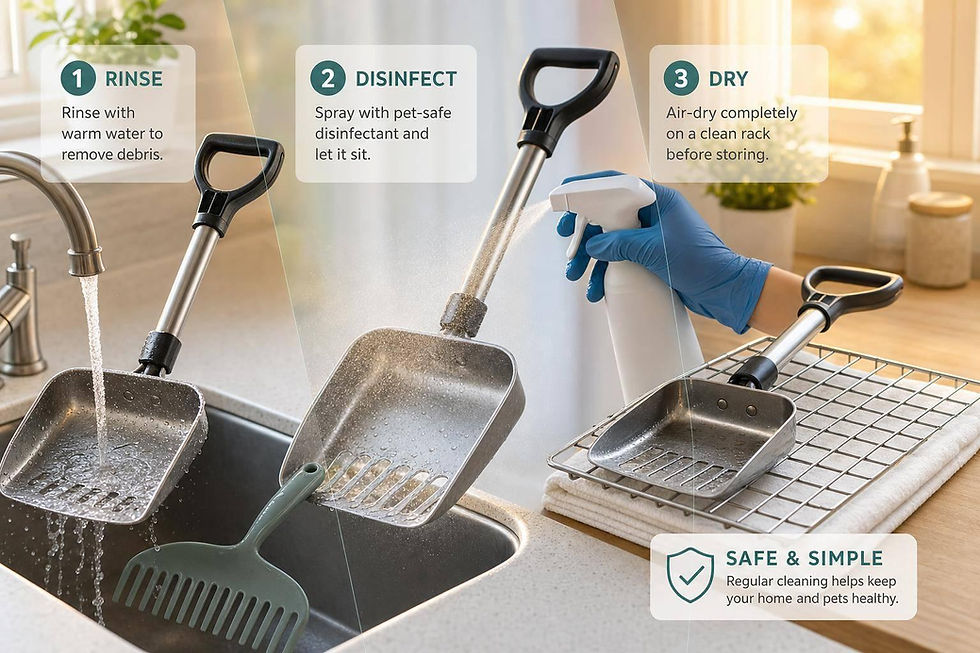
If you’d rather not handle the chore yourself, services like Doody Bug Poop Scooping can step in. They offer weekly and twice-weekly plans starting at $16 per week (with an additional $3 per extra dog). Their service includes scooping, bagging, and disposal, and they even sanitize their tools between visits to prevent any lingering odors from worsening under the summer sun.
Use Deodorizing Products to Neutralize Smells
Water alone won’t cut it when it comes to eliminating pet waste odors. Dog urine contains uric acid, which doesn’t dissolve in water. Instead, it crystallizes as it evaporates, creating a strong ammonia smell that can linger.
Enzymatic cleaners are your best bet for breaking down these uric acid crystals, especially on porous surfaces like concrete or stone. If you’re looking for a DIY solution, mix 4 tablespoons of baking soda with 2 cups each of lukewarm water and white vinegar to create a safe and effective spray.
For tougher odor problems, professional enzymatic treatments are available. Doody Bug offers these treatments for $15 per application, with pricing based on the size of your yard.
When applying deodorizers, timing matters. Apply them at dusk to give the products all night to work their magic. As Gemma Johnstone, a contributor to Angi, advises:
By applying any odor-eliminating products at dusk, they have all night to work on reducing any lingering funky smells.
Alongside chemical treatments, regular physical cleaning plays a big role in keeping your yard odor-free.
Maintain a Clean and Well-Ventilated Yard
Rinsing down affected areas daily is crucial for diluting urine and clearing away residue . This step is especially important for surfaces like concrete, which tend to absorb and hold onto odors.
In areas exposed to intense sunlight, turning the soil occasionally can help urine seep deeper into the ground, where it can break down more effectively. Proper air circulation also helps disperse odors, so avoid letting waste pile up in shaded or enclosed spots where humidity can trap the smell.
Lastly, don’t mow over waste - it can spread bacteria and make the problem worse. Keeping up with these simple steps can make a huge difference in managing pet waste odors during the summer months.
Professional Pet Waste Services in Houston
Managing pet waste in the scorching Houston summer can be a tough job, especially when temperatures soar past 90°F. That’s where professional services like Doody Bug Poop Scooping come in, offering a hassle-free way to keep your yard clean and odor-free. Serving Houston, Tomball, and nearby areas, they provide reliable waste removal solutions to keep your outdoor spaces fresh - even during the hottest months.
Doody Bug offers flexible plans to suit your yard’s specific needs, making pet waste management one less thing to worry about.
Weekly and One-Time Cleanup Options
Doody Bug’s weekly service starts at $16, with an additional $3 per dog. This service includes scooping, bagging, and disposing of waste directly into the trash, helping to prevent lingering odors.
For those who need a one-time cleanup, there’s a $15 trip fee plus $60 per hour. This option is perfect for tackling large amounts of accumulated waste all at once.
Deodorizing Treatments for Summer Odor Control
Heat and humidity can make pet waste odors unbearable, but Doody Bug has a solution. They offer deodorizing treatments for $15 per application, using professional-grade enzymatic cleaners that neutralize odors at their source. These treatments target compounds that produce ammonia and other unpleasant smells, which are often intensified in hot weather.
The treatments work on a variety of surfaces, including grass, artificial turf, patios, decks, and walkways - places where residues tend to linger during the summer. Combined with regular cleanups, these treatments help maintain a fresh and odor-free yard.
Sanitized Tools and Consistent Scheduling
Doody Bug prioritizes hygiene by sanitizing their tools after every visit, reducing the risk of spreading bacteria or disease. This is especially critical in the summer when heat speeds up bacterial growth and waste decomposition. Their consistent scheduling ensures your yard stays clean and safe all season long.
Conclusion
Managing pet waste during the summer requires understanding how heat and humidity amplify odors. High temperatures accelerate waste decomposition, while humidity traps those unpleasant smells, impacting both your comfort and health.
To keep odors under control, frequent waste removal - ideally twice a week or even daily during extreme heat - is key. Pair this routine with enzymatic deodorizers and proper ventilation to tackle odors at their source. Hosing down potty areas can also help by diluting urine and preventing the buildup of crystallized ammonia.
For homeowners in the Houston area, where summer temperatures often soar past 90°F, professional services like Doody Bug Poop Scooping can be a game-changer. These services provide scheduled cleanups and deodorizing treatments to keep your yard fresh and hygienic, no matter how intense the heat gets.
Maintaining a clean yard isn’t just about comfort - it’s about safety. A single gram of dog waste can harbor over 23 million coliform bacteria. In hot weather, these pathogens thrive, making prompt waste removal and proper treatment critical. By staying ahead of these challenges, you protect your family’s health and ensure your outdoor spaces remain enjoyable all summer long.
FAQs
Why does pet waste smell worse in the summer heat?
Hot weather accelerates the decomposition of pet waste as bacteria break it down, releasing odor-causing compounds at a faster rate. On top of that, higher temperatures make these compounds evaporate more quickly, intensifying the smell. Add warm, humid air into the mix, and you’ve got the perfect recipe for trapping and spreading those unpleasant odors throughout your yard.
To keep your outdoor space smelling fresh during the summer months, it’s crucial to clean up pet waste regularly. You might also want to use deodorizing sprays to tackle lingering odors. For a hands-free solution, professional services like Doody Bug Poop Scooping can ensure your yard stays clean and odor-free, even when the heat is on.
How does hot weather increase the risks of pet waste in your yard?
Hot weather speeds up the decomposition of pet waste, creating an ideal breeding ground for harmful bacteria like E. coli, Salmonella, and Campylobacter. It also promotes the growth of parasites such as roundworms, hookworms, and Giardia. These pathogens can easily spread to humans and pets through contact with contaminated soil, water, or waste - especially when children play barefoot or pets sniff or ingest the material.
The heat doesn’t just stop there. It also attracts pests like flies and ants to the waste, which can spread bacteria even further and potentially lead to skin irritation or allergic reactions. On top of that, pet waste is loaded with nitrogen, which can harm your lawn and pollute nearby waterways if not properly managed. Regular cleanup - or hiring professional services like Doody Bug Poop Scooping - can keep your yard clean, minimize health risks, and eliminate those overpowering odors that summer heat tends to intensify.
How can I reduce pet waste odors in my yard during the summer?
In the sweltering summer months, managing pet waste odors can feel like a real challenge. The key? Clean up waste promptly to stop smells from getting worse. You can make this easier by training your dog to use a designated potty spot in the yard, which keeps the mess contained and simplifies maintenance.
To keep odors at bay, rinse the area with water frequently and sprinkle baking soda or use a pet-safe deodorizing spray to neutralize unpleasant smells. If you're looking for a more effortless and reliable option, professional services like Doody Bug can handle the dirty work for you. They provide regular waste removal and yard deodorizing treatments, ensuring your outdoor space stays fresh and inviting.


Comments