
Complete Guide to Pet Yard Odor Control

If your yard smells like dog waste, the fix is simple: scoop it, clean the residue, treat the surface, and stop buildup from coming back. In most cases, the odor comes from missed poop, urine soaked into soil or turf, wet leaves, dirty concrete, poor drainage, or a trash can that smells on its own.
I’d break it down like this:
Find the source first instead of spraying over the smell
Scoop often, because odor starts as soon as waste sits
Clean each surface the right way since grass, turf, concrete, decks, and mulch all hold smell differently
Check drainage and damp spots, especially after rain
Look for repeat trouble signs like flies, fleas, hidden waste, or sewage-like odor
Call a pro if the smell keeps returning or cleanup has fallen behind
A few points stand out. The EPA says dog waste should be picked up and thrown away properly. Hot, humid weather can make odor hit harder and last longer. And if the smell is sewage-like instead of pet-like, I’d stop using yard products and check for a drain, sewer, or plumbing problem.
Here’s the short version: remove the waste, seal the bags, clean the surface, use a pet-safe treatment, and keep up with a set schedule. That’s what stops the smell at the source instead of just covering it for a few hours.
My Yard Smelled Like Dog Pee - Until I Tried THIS Stuff!
sbb-itb-1f9eab4
Find the Real Source of Yard Odor
Yard odor doesn't always come from the spot that smells the strongest. Heat and humidity can carry it, which makes the source easy to miss. That's why it helps to inspect the whole yard first and treat the source, not just the symptom.
Check Every Surface and Yard Zone
Break the yard into zones before you start: lawn, potty areas, hardscape, decks, artificial turf, fence lines, shaded corners, landscape borders, storage areas, and trash storage. Then check each one in a steady, systematic way instead of chasing the smell from place to place.
On grass, look under leaves, tall growth, and shrubs, especially near doors, gates, and fence corners. On concrete, patios, and pavers, check cracks and joints where urine can settle. On decks, inspect the gaps between boards and the space underneath.
Artificial turf needs its own inspection. Check the seams, infill, drainage holes, and the perimeter. If the odor keeps coming back after surface cleaning, the problem is often in the infill or drainage below the turf, not on the blades.
Don't skip the easy-to-miss areas, either. Check behind sheds, under outdoor furniture, along fence bases, and in low spots where water pools after rain or irrigation. Open the outdoor trash can too, and inspect the lid, bottom, wheels, and the ground under it. Unsealed or leaking waste bags can leave a strong fecal smell even after the yard has been scooped clean.
Match the Smell to the Likely Cause
The smell itself can point you in the right direction. Match the odor to the likely source, then confirm it by checking the yard.
Odor Type | Most Likely Cause | Where to Look First |
Fecal or waste-like | Missed or decomposing feces | Under leaves, tall grass, shrubs, furniture, fence edges |
Sharp ammonia or urine-like | Repeated urine saturation | Favorite potty zones, soil, turf infill, concrete joints, deck gaps |
Sour or rotting | Wet leaves, mulch, or decomposing organic debris | Shaded corners, mulch beds, leaf piles |
Musty or earthy | Persistent moisture, poor drainage, or algae | Low spots, under decks, shaded soil |
Sewage-like | Drain, sewer, septic, or plumbing issue | Near drains, cleanouts, or unexplained wet ground |
If the smell is sewage-like, treat it as a non-pet issue. When it's strongest near a drain, cleanout, or a patch of ground that stays wet, stop using yard deodorizer and call a plumber or landscaper.
Once you know where the odor starts, you can clean and treat each surface the right way.
Build a Cleanup Routine That Stops Odor Buildup
Once you know where odor starts, make cleanup a routine. Odor control comes from frequent scooping, not just the occasional deep clean. Dog waste starts breaking down right away, and that means odor starts right away too. So rinsing and deodorizer help, but they come after scooping. They don’t replace it.
Use the Right Tools and Cleanup Steps
Keep your cleanup kit in one spot so you’re not hunting for supplies every time. Use the same yard zones you checked above. A solid kit should include:
A long-handled pooper scooper or rake-and-pan
Sturdy waste bags
Disposable gloves
Paper towels for residue
A pet-safe cleaner
A brush for hard surfaces
Soap and water for handwashing
It also helps to have a covered outdoor trash can with a secure liner.
The order matters here. If you do things out of sequence, you can spread the mess and make odor worse. Follow these steps each time:
Put on gloves and do a quick scan of the whole yard before you start.
Walk in overlapping grid rows so you don’t miss spots.
Scoop solid waste and pick up any visible bits stuck in turf seams, pavers, or deck gaps.
Seal each bag right away. If anything leaks, double-bag it.
Put sealed bags in a lined, covered trash can.
Clean the surface only after all solid waste is gone, then rinse if needed.
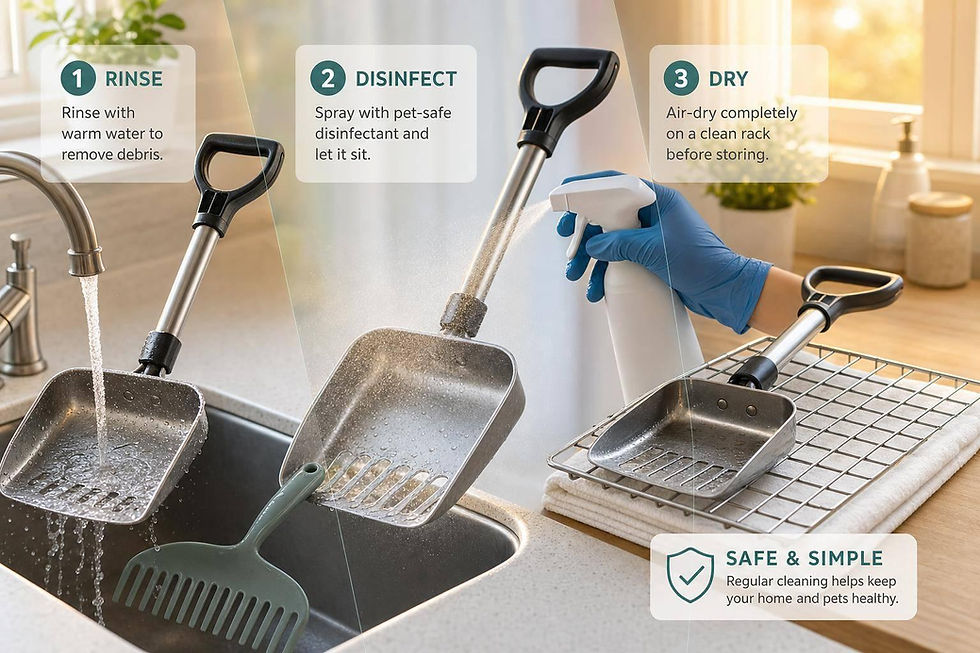
Sanitize tools after each use, then wash your hands with soap and running water.
Never rinse, mow, or use deodorizer while waste is still there. Scoop first. Then seal, clean, rinse if needed, and deodorize last.
Pick a Schedule Based on Dog Count, Yard Size, and Weather
Your cleanup schedule should match your dog count, yard size, and the weather. Use the table below as a starting point, then adjust as needed.
Schedule | Best For | Odor Risk |
Daily | Multiple dogs, small yards, hot or humid weather, or yards used by children | Low |
Several times weekly | One or two dogs, moderate yard use, warm or rainy periods | Moderate |
Weekly | One dog, large yard, cool or dry weather, limited use between visits | High |
One-time cleanup | Moving in, recovering from missed cleanups, or preparing for an event | High before removal; recurring if no schedule follows |
Hot weather can make a bad smell show up FAST. The same goes for diarrhea or homes with multiple dogs. In those cases, check the yard daily. And before mowing or expected rain, do a full grid sweep and seal every bag.
Clean and Treat Grass, Turf, Patios, and Problem Spots
After you scoop the waste, there’s usually still some residue left behind. That’s the part that keeps the smell hanging around.
The fix depends on the surface. Grass, artificial turf, concrete, and decks all hold odor in different ways, so it helps to treat each one a little differently. If the smell keeps coming back, use a cleaner that breaks down the residue instead of just covering it up. Start with the surface that tends to hold odor the longest, then move through the rest of the yard.
Pick the Right Odor Treatment for Each Surface
Enzyme or biological cleaners break down the compounds that cause the smell instead of masking them. Follow the label for dilution, dwell time, and rinsing. These products need enough contact time to work.
For artificial turf, hose the area for about 30 seconds so liquid moves through the backing before it dries in the infill. If the odor comes back fast, the problem is often deeper down - in the backing, infill, or drainage layer below the blades. Use a turf-labeled enzyme cleaner and soak the area enough to reach that layer.
On concrete and pavers, urine can sink into pores and joints. Use an outdoor enzyme cleaner marked safe for masonry. If the label allows it, scrub the joints and surface pores with a nylon brush. It’s also smart to test a small hidden area first.
For wood or composite decks, use a cleaner that matches the material. Don’t leave the surface soaked for long, and give it time to dry all the way.
Gravel and mulch are tougher because they don’t clean well in place. If the smell sticks around, rake out the soaked material, clean the base, fix any drainage issue, and refill with new ground cover. Don’t put new material on top of a dirty base. That just traps the problem underneath.
Never mix cleaners or use indoor products outside unless the label says it’s okay. Bleach combined with ammonia or vinegar can produce hazardous fumes. Keep pets and kids off the area until it’s dry or until the label’s re-entry time ends. Some granular products need 24 hours or more.
Lawn Care Habits That Reduce Recurring Smells
A few lawn-care habits can cut down on odor between cleanups.
Mow at the right height for your grass type. Cutting too short stresses the lawn and can slow its recovery from urine damage. Rake up leaves, grass clippings, and other organic debris on a regular basis too, since damp buildup adds another source of odor.
Low spots matter more than many people think. If water sits there, smell tends to stick around. Aeration can help with compacted soil, but it won’t fix grading problems or heavy clay that drains poorly.
A designated bathroom zone can also help reduce urine damage. A set area with a durable, well-drained surface - like pea gravel over a permeable base - keeps most of the mess in one place, makes daily cleanup easier, and helps protect the rest of the yard.
Use fertilizer and lime only if a soil test shows a nutrient issue or pH problem. They won’t treat odor on their own.
If the smell still comes back after cleanup and drainage fixes, the next likely causes are pests or waste hiding where you can’t easily see it.
Treatment Comparison Table by Surface
Surface | Best Treatment Type | Application Timing | Key Precautions |
Grass / Soil | Light rinse (good drainage) + lawn-labeled enzyme cleaner for persistent odor | After scooping; rinse fresh spots, enzyme for recurring odor | Avoid flooding; keep pets off until dry. |
Artificial Turf | Enzyme or biological cleaner labeled for turf and infill | After solid removal and rinsing; target high-use zones | Check backing and drainage if odor returns. |
Concrete / Pavers | Masonry-safe outdoor enzyme cleaner | After sweeping and pre-rinsing; scrub joints and pores | Test first; keep runoff out of storm drains. |
Wood / Composite Deck | Exterior-wood-safe cleaner matched to deck material | After removing waste; blot before applying cleaner | Avoid soaking; allow full dry time. |
Gravel / Mulch | Remove and replace saturated material; treat base before refilling | When odor persists after cleaning or material stays damp | Do not layer over saturated material. |
Once the surface is clean, the next step is building habits that stop odor from creeping back in.
Control Flies and Fleas and Know When to Call for Help
If you've cleaned the yard and treated the surface but the smell is still hanging around, it's time to look a little deeper. In many cases, the next places to check are flies, fleas, and waste that's been missed or worked its way into hidden spots.
Dog waste draws flies fast, especially during hot, humid weather. Pick it up as soon as you can, seal the bag, and toss it into a closed outdoor trash container. That small step can make a big difference.
Fleas are a separate issue, but they often show up in the same kind of problem areas. They like shaded, damp, protected spots like under decks, along fence lines, beneath shrubs, and near pet bedding. If you're seeing fleas, start there.
Before using any flea product in the yard, talk to your veterinarian. A vet-guided prevention plan based on your dog's age, health, lifestyle, and local flea pressure is the most reliable way to stop reinfestation. Treating the yard by itself won't solve the problem if your pet isn't protected.
If the odor keeps coming back, that pattern usually points to one of three things: hidden waste, drainage trouble, or a source that isn't from your dog at all.
Troubleshoot Odor That Keeps Coming Back
If the smell returns after cleanup, pay attention to where and when it comes back. That pattern can help narrow down the source. And if the odor still sticks around after the yard is clean and you've used the right treatment for the surface, stop reapplying deodorizer until you know what's going on. At that point, it may be time to call a plumber, wildlife professional, or veterinarian, depending on what you find.
Sign | Next inspection step |
Odor stronger after rain | Check low spots, saturated soil, drainage paths, mulch, and turf edges |
Odor concentrated near a drain | Inspect the drain grate, trap, and surrounding soil; contact a plumber if the smell resembles sewage |
Flies return quickly | Recheck for missed waste, open trash, food scraps, dead animals, and wet pet bedding |
Fleas in shaded areas | Inspect under decks, shrubs, porches, and fence lines; ask a veterinarian about pet prevention before applying a yard pesticide |
Lawn looks clean but still smells | Inspect patios, decks, turf seams, trash containers, drains, and possible wildlife or sewer sources |
Odor returns after deodorizing | Determine whether waste remains below the surface and whether drainage or porous materials require deeper cleaning |
When the problem gets too big, too frequent, or just plain hard to stay ahead of, scheduled help can reset things fast.
When to Use a Professional Poop Scooping and Deodorizing Service
A professional service usually makes sense when waste has piled up, you have multiple dogs, your yard is large, or your routine has been off. It can also help if you're traveling, recovering from illness, or getting ready for an outdoor event and need a one-time cleanup.
For larger yards, multiple dogs, missed cleanups, or pre-event resets, Doody Bug Poop Scooping offers weekly, twice-weekly, one-time waste removal, and deodorizing treatments in the greater Houston and Tomball areas.
Use this checklist to keep the smell from creeping back:
Inspect hidden zones often, including fence lines, under furniture, drains, and shaded corners
Remove dog waste promptly; check daily during hot or wet weather
Seal waste bags and store them in a closed, leak-resistant outdoor trash container
Apply a labeled, surface-appropriate odor treatment only after all solid waste is removed
Maintain drainage, mow at the right height, and clear leaf litter to help prevent standing water
Cut down fly attractants by removing exposed waste, food scraps, open trash, and decaying vegetation
Follow a veterinarian-guided flea prevention plan and keep pets protected year-round
Keep pets and people off treated areas until the product label allows reentry
Schedule professional waste removal or deodorizing when routine cleanup is no longer keeping up
FAQs
How do I tell urine odor from a drainage problem?
Urine odor is usually sharp and ammonia-like. It also tends to get stronger in warm or wet conditions.
Drainage problems usually look a bit different. You’re more likely to notice standing water, soggy soil, or a musty or rotten-egg smell caused by buildup in stagnant water. If the odor keeps coming back after rain, that can point to trapped organic residue.
What pet-safe cleaner works best for my yard surface?
Enzyme-based outdoor cleaners are usually the best option for yard surfaces because they neutralize odors and break down organic residue in porous materials like concrete.
For lighter routine cleaning, use mild dish soap with warm water, diluted white vinegar, or a baking soda paste for mild spot odors. Avoid bleach, which can be toxic to pets and can damage surfaces.
When should I call a professional poop scooping service?
Consider calling a professional poop scooping service if cleanup starts to feel like too much, you have more than one dog, or your schedule is packed and it's hard to keep up.
It can also make sense if waste piles up between trash days or you want to stop stains and odors from settling into your yard or patio. In the greater Houston and Tomball areas, Doody Bug Poop Scooping offers weekly, twice-weekly, and one-time cleanups, plus deodorizing treatments.


Comments