
How Weather Affects Poop Scooping Schedules

Rain, heat, and cold make dog waste cleanup harder - and messier.
Rain spreads bacteria into your yard and water supply. Heat speeds up decomposition, creating strong odors and attracting pests. Cold weather preserves waste, hiding it under snow until spring. Each weather condition brings unique challenges, from buried waste to safety risks for cleanup technicians.
The solution? Regular poop scooping keeps your yard clean, prevents bacteria spread, and avoids unpleasant surprises. Services like Doody Bug offer flexible plans starting at $19 per visit, ensuring your yard stays safe and sanitary year-round - even in Houston's unpredictable weather.
The Reality of Pet Waste Removal in Winter: Frozen Waste & Upset Clients
sbb-itb-1f9eab4
How Rain and Mud Affect Poop Scooping
Rain transforms the usually simple task of cleaning up dog waste into a frustrating challenge. When the ground becomes saturated with water, waste tends to break apart and sink into the soil, making it much harder to remove. On top of that, soft, muddy ground can cause waste that was clearly visible to get buried several inches deep after a heavy downpour.
Waste Buried in Mud
Rain doesn’t just wash away dog waste - it breaks it into smaller fragments that mix with the mud. Foot traffic from dogs or people can push these fragments even deeper into the ground, creating a messy, sludge-like situation that’s nearly impossible to clean up without leaving traces behind.
Mud also acts like a natural disguise. Wet soil often looks very similar to dog waste in both color and texture, making it tricky to spot. Keeping your grass trimmed short during rainy periods can help prevent waste from hiding under long, wet blades. And sticking to a regular cleanup routine - even if it’s drizzling - keeps waste from accumulating and sinking deeper into the ground.
Flooded Yards and Access Problems
Standing water adds another layer of difficulty. It hides waste beneath the surface and can make certain areas of a yard completely inaccessible. In some cases, waterlogged yards may lead to service delays or even extra fees if technicians can’t safely reach specific spots.
Here’s another issue: most dogs poop 1 to 3 times a day. If a flooded yard goes unserviced for just one week, you could be dealing with anywhere from 7 to 21 piles per dog. That’s a lot of waste to manage once the water finally recedes.
Flooding also reactivates bacteria in the waste, allowing odors to spread more easily. Worse yet, runoff can carry harmful pathogens like E. coli and Salmonella into nearby waterways, creating potential health risks for both humans and animals. Next, we’ll look at how extreme heat adds even more complexity to the cleanup process.
Extreme Heat During Cleanup
Hot weather doesn’t just make cleanup uncomfortable - it creates a whole new set of challenges. Once temperatures climb above 85°F, dog waste essentially becomes a breeding ground for bacteria. In fact, bacteria can double in number every 20 minutes under these conditions, and the waste itself starts to break down within hours. This isn’t just about smell; it’s a real logistical issue. In places like the Southwest, where summer temperatures often soar past 110°F, these problems are amplified.
Odor and Decomposition Issues
When it’s hot, waste doesn’t just sit there - it transforms. High temperatures cause waste compounds to vaporize, spreading unpleasant odors far beyond the immediate area. Within 48 hours, the bacterial count in the waste skyrockets, hitting an average of 23 million fecal coliform bacteria per gram. On top of that, the heat dries out the waste, turning it into crumbly dust that can easily become airborne. This increases the risk of accidental inhalation or contact, which is why waste should ideally be cleaned up within 2 hours when temperatures exceed 90°F.
Technician Safety in High Temperatures
For cleanup technicians, working in extreme heat isn’t just uncomfortable - it can be dangerous. When temperatures top 110°F, the physical demands of waste removal become a serious health hazard. Heat exhaustion and dehydration can strike quickly, especially for those servicing multiple properties in a single day. The risks don’t stop there. Warm conditions accelerate the growth of harmful bacteria like E. coli and salmonella, while parasite larvae can linger in the soil for months.
To address these challenges, many professional services adjust their routines during heat waves. Increasing cleanup frequency to every 2–3 days helps manage waste buildup, while rinsing areas with a garden hose after removal reduces bacterial growth. Additionally, keeping waste bins in shaded areas with tight-fitting lids prevents their internal temperatures from reaching dangerous levels - sometimes over 150°F. These steps go a long way in ensuring both safety and cleanliness during extreme heat.
Cold Weather and Frozen Waste
Cold weather has an uncanny way of preserving dog waste. Snow, frost, and ice don’t just hide it - they lock it in place. As POOP 911 explains, "What looked like a clean yard all winter was not actually clean at all. It was just covered".
Frozen Waste Stuck to the Ground
When temperatures drop below freezing, dog waste often becomes trapped in ice, making it tough to remove. It can freeze solid to the ground or get buried under layers of frost, turning a simple cleanup into a frustrating chore. Even plastic bags don’t cooperate in these conditions; they stiffen in the cold, which only complicates the process further. And if the thermometer drops to 20°F or lower, it’s not just about the waste - dogs themselves face risks like frostbite or hypothermia during their outdoor bathroom trips. Add snowfall to the mix, and spotting waste becomes even trickier.
Snow Hiding Waste
Snow doesn’t just make waste harder to remove - it makes it nearly invisible. As snow piles up, waste accumulates unnoticed throughout the winter. Wind can scatter leaves over frozen piles, adding another layer of camouflage. Even a light frost can obscure waste during routine cleanups. The real challenge, however, comes with the spring thaw. According to POOP 911, "Dog poop does not dissolve when snow melts. It breaks apart and spreads". Once frozen waste begins to soften and absorb moisture, it breaks down, seeping into the soil. Areas like fence lines, shaded corners, and landscaping edges are especially prone to overlooked waste during the colder months.
Severe Weather Disruptions
Thunderstorms, lightning, and hail can seriously affect dog waste removal services in Houston, making outdoor cleanup unsafe for technicians.
Hazardous Conditions for Technicians
Severe thunderstorms bring lightning, which poses an immediate risk to workers, while hail can cause injuries or even damage the tools and equipment used for cleanup. Technicians carefully evaluate these conditions and take necessary precautions to ensure their safety.
Adjustments to Service Schedules
When extreme weather hits, Doody Bug prioritizes the safety of its technicians by temporarily halting scheduled cleanups until it’s safe to resume. Clients are promptly informed of any delays, and appointments are rescheduled as soon as conditions improve. This approach ensures yards are consistently cared for while keeping safety front and center. It’s all part of Doody Bug’s commitment to handling weather-related challenges effectively.
Doody Bug's Weather Solutions
Doody Bug tackles Houston's unpredictable weather with a combination of flexible scheduling options and strict hygiene practices. By using a route-based system, the company ensures consistent service, no matter what the weather brings.
Flexible Scheduling Plans
Doody Bug provides three service options designed to handle the unique challenges of Houston's weather. Weekly poop scooping starts at $19 per visit for one dog, with an additional $3 per extra dog. This plan is perfect for maintaining a clean yard during periods of rain or intense heat, when waste buildup can quickly get out of hand. For homes facing more extreme conditions - like scorching heat or frequent storms - twice-a-week service offers extra support to manage faster waste accumulation and intensified odors.
If your yard has been hit hard by weather disruptions, a one-time cleanup is available. This service includes a $30 trip charge plus $60 per hour, prorated. These options ensure that waste doesn’t pile up, even during Houston’s toughest weather, keeping yards manageable and fresh.
Sanitized Tools and Deodorizing Treatments
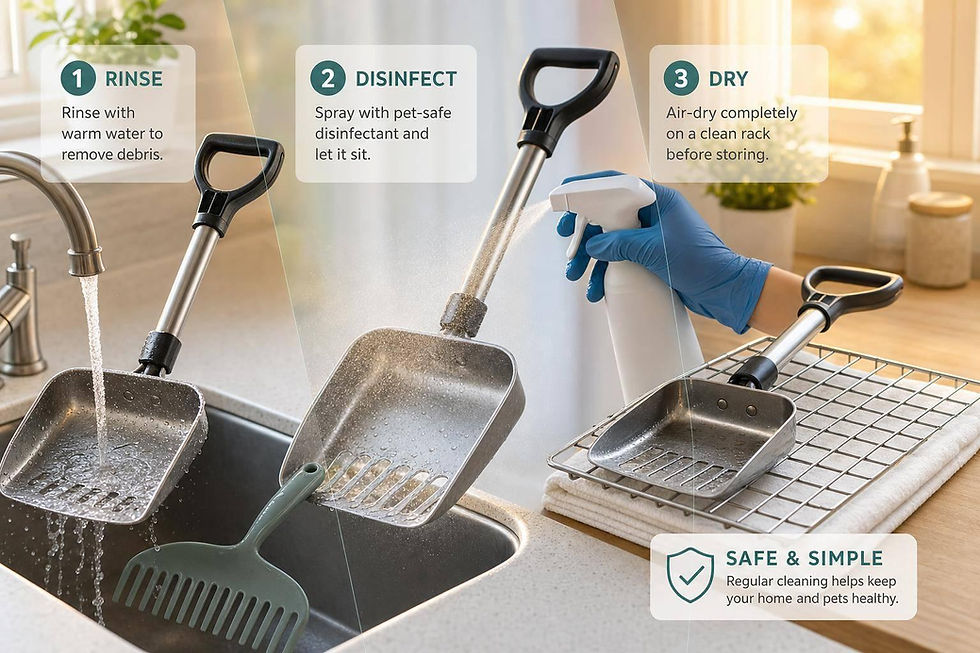
Hygiene is a top priority for Doody Bug. Their technicians sanitize all tools between visits to prevent the spread of germs. Michael, a Poop Scooping professional at Doody Bug, shares:
"We make sure to clean our tools by spraying them with cleaning agents (KennelSol) in between each yard to prevent the spread of germs".
This practice is especially crucial after heavy rains or flooding, as health authorities recommend sanitizing surfaces to minimize the risk of germs spreading.
For yards dealing with stubborn odors, which can be particularly bad during Houston's humid summers or after rainfall, Doody Bug offers deodorizing treatments. These treatments use products like Wysiwash or KennelSol and cost approximately $15 per application, depending on the area. They not only neutralize odors but also help reduce microbes that thrive in moist, warm conditions.
Conclusion
Weather plays a big role in how often dog waste needs to be removed. Rain, extreme heat, and cold can make cleanup much harder, especially for homeowners trying to handle it on their own.
That’s where professional services come in. Doody Bug Poop Scooping tackles these weather-related challenges with dependable scheduling options that keep your yard clean and safe year-round. Their trained technicians know how to find waste in tricky spots like shaded areas or along fences - even when the weather makes it tough. With weekly services starting at just $19 and options for twice-weekly visits during harsher conditions, they ensure your yard stays in top shape, no matter what Houston’s weather throws your way.
Regular cleanups also do more than just keep your yard tidy - they help protect local waterways by preventing waste runoff. This means a healthier environment and a safer space for your kids and pets to enjoy.
FAQs
How often should I scoop after heavy rain?
After heavy rain, make sure to scoop within 24 to 48 hours. This helps prevent bacterial growth and keeps odors at bay. Rain tends to spread waste, making cleanup more challenging and increasing the chance of unpleasant smells. Staying on top of regular scooping ensures your yard stays clean and hygienic.
What’s the safest time to scoop in extreme heat?
The best time to scoop during extreme heat is either early in the morning or late in the evening when it's cooler outside. This timing reduces the risk of heat exhaustion for both you and your dog. It's smart to avoid working during the peak midday heat to stay safe and comfortable.
How do I find poop hidden under snow or mud?
To find poop buried under snow or mud, start by focusing on the area where it was most likely left. Carefully move or scrape away the snow or mud, paying attention to any uneven textures or faint odors that might give away its location. Regularly checking these spots, especially after snow has melted or during wet, muddy periods, can help ensure you don't miss anything.


Comments