
Ultimate Guide To Flea And Tick Yard Care

Updated: Aug 27
Fleas and ticks can turn your yard into a health hazard for your family and pets. These pests spread diseases like Lyme Disease, Rocky Mountain Spotted Fever, and Tapeworms, while causing itching, irritation, and even anemia in severe cases. The good news? You can take simple steps to protect your outdoor spaces.
Key Steps to Protect Your Yard:
Maintain your lawn: Mow grass to 3–4 inches, remove leaf litter, and trim shrubs to reduce shady, damp areas where pests thrive.
Create barriers: Use cedar mulch or gravel borders to deter ticks from moving into your yard.
Control wildlife: Secure trash cans, clean up birdseed, and repair fence gaps to keep out raccoons, deer, and rodents that carry fleas and ticks.
Clean pet waste: Regularly remove dog waste to eliminate breeding spots.
Use natural solutions: Beneficial nematodes, diatomaceous earth, and essential oils can repel and kill pests without chemicals.
Apply chemical treatments: Products with permethrin or bifenthrin are effective for serious infestations. Combine with Insect Growth Regulators (IGRs) to stop reproduction.
By combining regular maintenance, natural remedies, and professional treatments when needed, you can keep your yard safe and pest-free year-round.
DIY Mosquito, Flea, and Tick Treatment
sbb-itb-1f9eab4
Yard Maintenance for Flea and Tick Prevention
Your lawn care routine is your first line of defense against fleas and ticks. By increasing sunlight and reducing moisture, you can make your yard less inviting to these pests.
Lawn Care and Landscaping Tips
Keeping your grass trimmed is one of the simplest and most effective ways to combat fleas and ticks. Aim to mow weekly, maintaining a grass height of 3 to 4 inches. This reduces ground-level humidity and increases sunlight exposure, both of which make it harder for fleas to survive.
"Cutting grass short lowers humidity levels, making the area less suitable for fleas to survive and reproduce. Short grass also exposes fleas to more sunlight, which can help kill them off." - All Seasons Landcare
In addition to mowing, clear away leaf litter, grass clippings, and other debris that can create damp, shaded hiding spots. Trim low-hanging branches and thin out overgrown shrubs to let more sunlight reach the ground. You can also install a 3-foot barrier of wood chips, gravel, or mulch between your lawn and wooded areas - ticks often avoid crossing these dry zones. Cedar mulch is especially effective, as its natural scent repels both fleas and ticks.
"Deer ticks usually are not out in the middle of your lawn, but they thrive where yards border wooded areas, ornamental plantings and gardens, or anywhere it is shaded and there are leaves with high humidity." - Thomas Mather, Director, University of Rhode Island's TickEncounter
Water your lawn sparingly, about once or twice a week, and always in the early morning. This allows the surface to dry out during the day, preventing the damp conditions fleas need to breed. Overwatering, on the other hand, creates ideal conditions for these pests. Stack firewood neatly in a sunny, dry spot to discourage rodents, which can carry fleas and ticks, and secure your yard’s perimeter to limit pest access.
Preventing Wildlife Access
Wildlife like raccoons, opossums, deer, and rodents often bring fleas and ticks into residential yards. To deter these animals, make sure your trash cans have tight-fitting lids and clean up spilled birdseed promptly. Inspect your fence for gaps or holes and repair any that could allow animals to enter your property.
The Role of Dog Waste Removal
Dog waste is another factor that contributes to flea and tick problems. It adds moisture and debris to your yard, creating a perfect breeding ground for these parasites. Since pets often frequent flea-prone areas, regular cleanup is essential. Keep in mind that a single female flea can produce up to 500 offspring in just three months.
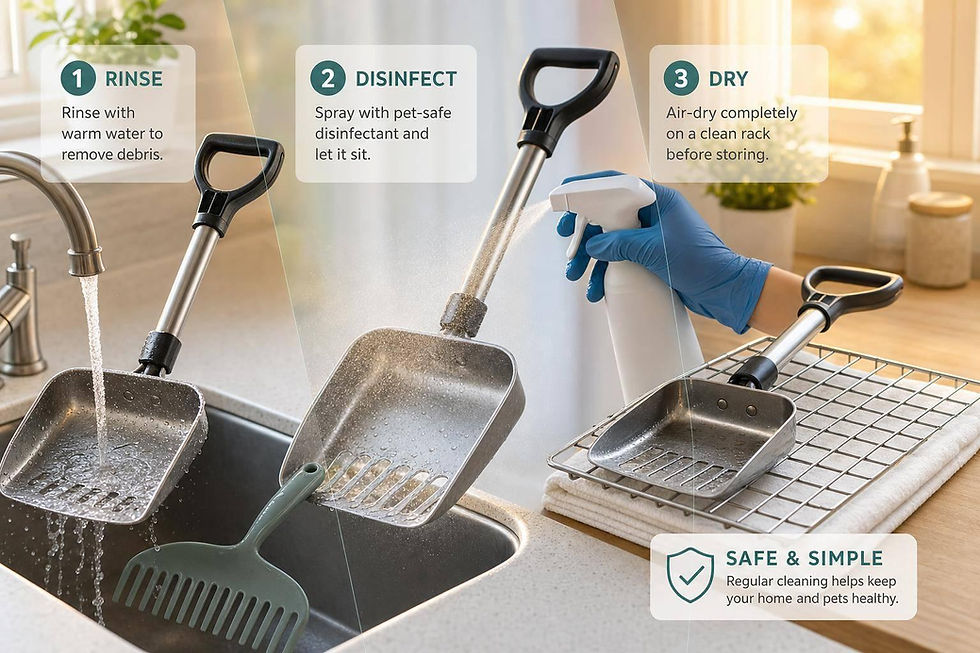
Removing pet waste not only keeps your yard tidy but also reduces the moisture fleas and ticks need to thrive. Services like Doody Bug Poop Scooping offer scheduled dog waste removal in the Houston and Tomball areas, starting at $16 per week (plus $3 for each additional dog). They sanitize their tools between visits to prevent cross-contamination and offer optional deodorizing treatments with Wysiwash or KennelSol for $15 per application, helping to minimize odors and microbes.
"If insects have nowhere to eat, sleep, or drink, they're unlikely to stay in your yard." - Lawn Lab
Focus your cleaning efforts on areas where your pets spend the most time. By combining professional dog waste removal with consistent lawn maintenance, you can create an effective barrier against fleas and ticks, keeping your yard safer and pest-free.
Natural and DIY Solutions for Flea and Tick Control
If you're looking to avoid chemical pesticides, there are plenty of natural ways to keep fleas and ticks in check in your yard. These methods use environmentally friendly approaches to repel, kill, or disrupt pests without resorting to harsh chemicals.
Natural Repellents and Treatments
Beneficial nematodes are tiny, worm-like organisms that target flea larvae. These microscopic predators invade the larvae and release bacteria that kill them within 24 to 48 hours. Studies suggest that nematodes can prevent up to 70–100% of fleas from maturing into adults when applied to outdoor soil. They're safe for children and pets and work best in moist, shaded areas where fleas tend to breed.
Diatomaceous earth (DE) is another powerful option. This powder, made from fossilized algae, damages the flea's exoskeleton, causing dehydration and death. Just make sure to use food-grade DE around pets and wear a mask when applying it to avoid irritation. Keep in mind, though, that DE loses its effectiveness when wet, so you'll need to reapply it after rain.
"The silica in DE absorbs fats and oils from the flea's skeleton, causing them to dry out and die." - Barri J. Morrison, DVM, PetMD
Cedar wood chips act as a natural barrier. Lay down a 3-foot-wide border of aromatic cedar chips around your yard to repel fleas, ticks, and even mosquitoes.
For tick control, products containing Metarhizium brunneum or Metarhizium anisopliae fungi can reduce tick populations. These fungi are especially effective when applied in May or early June, targeting deer ticks during their nymph stage.
Essential oils like peppermint, clove, citronella, and neem can also repel pests when used at concentrations of 0.5% to 4%. However, exercise caution - some oils, such as pennyroyal, peppermint, and lemongrass, can be toxic to pets if misused . Pair these treatments with DIY sprays for added protection.
DIY Yard Sprays and Barriers
For those who enjoy hands-on solutions, homemade sprays are an easy and cost-effective way to combat fleas and ticks. Most recipes cost around $40 for ingredients.
Large-area spray: Mix 1 gallon of vinegar, 2 quarts of water, 2 cups of lemon juice, and 1 cup of witch hazel in a garden sprayer. This solution works well on patios, decks, and lawns.
Neem spray: Combine 4 tablespoons of apple cider vinegar, 2 tablespoons of neem oil, and 2 cups of water in a spray bottle. Use this on outdoor furniture or for spot treatments.
Essential oil spray: Blend 2 teaspoons of an essential oil like peppermint or clove with 1 quart of water. Add a few drops of dish soap or 1–2 tablespoons of apple cider vinegar to help emulsify the oil.
Lemon infusion: Boil a sliced lemon in a pint of water for 30 minutes, let it sit overnight, then strain and add a splash of vinegar. This spray is ideal for areas where pets play.
Focus these treatments on humid, shaded spots like under porches, decks, and shrubs - prime locations where fleas and ticks thrive. Since natural sprays don't last as long as chemical treatments, reapply every 2–3 days during infestations or after rain . To pinpoint flea hotspots, try walking through your yard in tall white socks - fleas will jump onto the fabric, making them easy to spot .
Treatment Method | How It Works | Cost Range | Safety Notes |
Nematodes | Predatory worms that kill larvae | $25–$50 per bag | Safe for pets and children; needs moist soil |
Diatomaceous Earth | Dehydrates pests mechanically | $25–$50 per bag | Use food-grade; wear a mask during application |
Cedar Chips | Repels with a strong, natural scent | Varies by quantity | Use fresh, aromatic chips |
Essential Oil Sprays | Contact killer and repellent | Around $40 DIY | Some oils can harm pets; frequent reapplication needed |
Chemical and Professional Treatment Options
When natural methods aren't enough, chemical insecticides and professional services can provide quicker and longer-lasting control over fleas and ticks, particularly during serious infestations.
Choosing Safe and Effective Insecticides
Acaricides are specifically designed to target pests like ticks and mites. Among the most effective are permethrin and bifenthrin, which kill fleas and ticks on contact. Permethrin also has the added benefit of acting as a repellent, helping to keep pests from returning.
"Sprays containing carbaryl (sold as Sevin) or permethrin will kill both fleas and ticks. Permethrin has the added advantage of acting as a repellent." - Howard Russell, MSU Diagnostic Services
Another reliable option is carbaryl, commonly sold under the brand name Sevin. For longer-term results, consider incorporating Insect Growth Regulators (IGRs) into your pest control plan. While IGRs don’t kill adult fleas and ticks, they prevent eggs and larvae from maturing, effectively stopping the reproduction cycle in its tracks.
Professional applications of these chemicals can reduce tick populations by up to 80–90% in treated areas, with effects lasting around four weeks. Field studies show that combining liquid and granular treatments can achieve an impressive 88.1% reduction in tick density.
For the best results, focus treatments on the perimeter of your yard - especially where the lawn meets wooded areas, tall brush, or stone walls. This targeted approach minimizes the use of chemicals while protecting areas where pests are most likely to enter. For deer ticks, treatments applied in May or early June, during their nymph stage, are particularly effective. During spring and summer, apply treatments every 4–6 weeks, reducing frequency as the weather cools.
Safety precautions are essential. Remove pet toys and children's items before spraying, and keep kids and pets off treated areas until they are completely dry - experts often recommend waiting at least two days. DIY treatments typically cost about $25 for materials, but professional equipment is better at penetrating dense brush and leaf litter, making it a more effective option for serious infestations.
Benefits of Professional Yard Treatments
When DIY methods fall short, professional treatments offer greater precision and coverage. Professionals bring expertise and industrial-grade equipment that can target hidden pest hotspots, such as shaded areas under decks, near dog houses, and along fence lines. They also use advanced techniques to combine adulticides with IGRs, addressing fleas and ticks at every stage of their lifecycle.
"It is usually recommended to treat your yard weekly for four weeks and then once a month to kill the larval stages as they hatch, since the insecticide won't kill the eggs." - Barri J. Morrison, DVM, Veterinarian
Professionals not only ensure thorough application but also follow strict safety protocols. They may also provide advice on making your yard less attractive to wildlife, such as securing garbage cans and installing barriers to keep animals out. Keeping pets and children away from treated areas until they are completely dry is a must.
Integrating Doody Bug's Services
Dog waste can create an ideal environment for fleas and ticks to thrive, while also attracting rodents and other wildlife that carry pests. Regular dog waste removal can significantly enhance the effectiveness of chemical treatments by improving soil and grass penetration.
Doody Bug Poop Scooping offers professional dog waste removal services in the greater Houston, Tomball, and surrounding areas. Their weekly scooping service starts at $16 per week (with an additional $3 per extra dog) and covers lawns, patios, decks, and turf. To maintain hygiene, their team sanitizes tools between visits, preventing cross-contamination.
For added protection, Doody Bug provides deodorizing treatments using Wysiwash or KennelSol, starting at $15 per application. These treatments reduce microbes that attract pests. Scheduling waste removal just before chemical treatments can boost their effectiveness, especially in shaded areas where pets often rest. For properties with significant waste buildup, their one-time cleanup service ($15 trip charge plus $60 per hour, prorated) ensures your yard is well-prepped for pest control, reducing breeding grounds for fleas and ticks while allowing for better chemical penetration.
Long-Term Strategies for Flea and Tick Management
Monitoring and Prevention
Staying ahead of flea and tick problems starts with regular inspections. For fleas, try the white sock test: wear knee-high white socks and walk through your yard during warm weather. Fleas will jump onto the fabric, making them easy to spot. For ticks, use the tick drag method: attach a one-yard square of flannel or corduroy to a wooden pole, drag it through tall grass and shaded areas, then inspect it carefully with tweezers. Place any ticks you find into a vial of alcohol for identification.
"Monitoring is an important part of a tick management program. It can tell you if questing ticks are present and what species are on site." – Joellen Lampman, Tick and School IPM Coordinator, Cornell Integrated Pest Management
Keep in mind that tick dragging only captures about 10–15% of the ticks in a given area. For pets, watch for signs like excessive scratching, hair loss, or unusual behavior. Pay close attention to shaded spots under decks, near woodpiles, or along the edges of your yard where it meets wooded areas . After yard inspections, toss your clothes in a hot dryer for 20 minutes and take a shower to reduce the risk of bringing pests indoors.
These monitoring methods make it easier to adapt your yard care routine as the seasons change.
Seasonal Adjustments to Yard Care
Flea and tick activity varies throughout the year, so your yard care approach should shift accordingly. Spring and summer are when these pests thrive in warm, humid conditions. During these seasons, treatments should be applied every 4–6 weeks to break their breeding cycles. The most critical time to spray is in May or early June, as this is when tick nymphs are most active and pose the highest risk for bites and disease transmission.
Season | Activity Level | Treatment Frequency | Key Maintenance Task |
Spring | High/Increasing | Every 4–6 weeks | Apply nematodes; clear debris |
Summer | Peak | Every 4–6 weeks | Mow regularly; water less |
Fall | Decreasing | Every 2–3 months | Rake leaves; reapply nematodes |
Winter | Low/Dormant | Every 2–3 months | Patch fence holes; secure trash |
As temperatures drop below 45°F in fall and winter, pest activity slows down, allowing you to reduce treatment frequency to every 2–3 months. However, skipping treatments entirely isn’t wise - any survivors can quickly repopulate when conditions improve. In warmer climates like Florida or Hawaii, fleas and ticks remain active year-round, so consistent care is essential.
To make your yard less inviting for pests, mow your grass short during spring and summer to increase sunlight and reduce humidity, which kills flea larvae and makes the environment less friendly for ticks. Water your lawn sparingly - just once or twice a week in the early morning - to avoid creating damp conditions that fleas love.
By adjusting your yard care routine to the seasons, you can stay ahead of these pests and maintain a healthier outdoor space.
Building a Complete Plan
A comprehensive flea and tick management plan combines regular maintenance, targeted treatments, and additional strategies for long-term results. Start with routine yard care: mow weekly, rake leaves, and create a 3-foot barrier of wood chips or gravel between your lawn and wooded areas .
Next, add natural and chemical treatments. Use beneficial nematodes twice a year - in early spring and fall - to target pests in the soil. During peak seasons, apply chemical treatments containing permethrin or bifenthrin every 4–6 weeks, focusing on high-risk areas . To disrupt the reproduction cycle, include insect growth regulators (IGRs) in your treatment plan .
Prevent new infestations by managing wildlife. Secure trash cans, relocate bird feeders away from your house, and consider using tick tubes near woodpiles. These tubes contain permethrin-treated cotton that mice use for nesting, helping to reduce tick populations without harming the animals .
Lastly, professional services can enhance your efforts. For example, companies like Doody Bug’s dog waste removal service can eliminate breeding grounds, making chemical treatments more effective. Scheduling waste removal right before applying insecticides ensures better soil penetration and reduces pest-friendly environments where pets rest frequently.
Conclusion: Creating a Safe and Pest-Free Yard
Keeping your yard free from fleas and ticks takes a mix of consistent effort and smart strategies. Start with the basics: mow your lawn regularly (aim for 3–4 inches), clear away leaf piles and debris, and use cedar mulch or gravel to create dry, pest-deterring barriers. These steps help eliminate the damp, shady spots where fleas and ticks thrive. Regularly inspect your yard to catch infestations early, and make sure to secure trash cans and clean up fallen birdseed to prevent wildlife from bringing in new pests.
For a well-rounded approach, combine natural methods like introducing beneficial nematodes with professional treatments. While DIY solutions are great for ongoing prevention, professional services bring specialized tools and potent insecticides to tackle tricky areas like under decks or along fence lines. Many experts also use Insect Growth Regulators (IGRs) to stop larvae from maturing, breaking the pest cycle effectively. Together, these methods create a stronger defense against fleas and ticks.
"Creating a flea- and tick-free yard requires a multifaceted approach, combining knowledge, prevention, and innovative solutions." – Tomahawk Power
Don't forget the essentials: clean up dog waste promptly to avoid creating moist, pest-attracting conditions. If needed, services like Doody Bug can handle weekly scooping for you. Daily pet checks with a flea comb are also crucial, especially as temperatures shift. A single female flea can lay up to 2,000 eggs in just a few weeks, so staying vigilant is key.
Your yard is the frontline in the fight against pests. Keep it clean, treated, and monitored throughout the year to maintain the pest-free space outlined in this guide.
FAQs
How do I know if fleas or ticks are in my yard?
Fleas and ticks can easily go unnoticed, but there are clues to watch for. If you or your pets experience itchy bites after spending time outdoors, or if your pets are scratching more than usual, fleas might be the culprit. Fleas tend to thrive in shaded, damp areas with tall grass or piles of debris.
Ticks, on the other hand, are often found in overgrown vegetation, tall grass, or leaf litter. After outdoor activities, it’s a good idea to inspect your clothing and pets for ticks to avoid bringing them inside.
To minimize the risk of fleas and ticks, keep your yard well-maintained. Regularly mow the lawn, trim overgrown plants, and clear away debris to reduce their preferred hiding spots.
What’s the safest treatment plan if I have kids and pets?
The best approach to keeping pests at bay involves a mix of strategies. Start by minimizing pest habitats - trim overgrown grass, clear away debris, and keep your yard tidy. Pair these efforts with pet-safe yard sprays and natural flea prevention products. Look for treatments specifically designed to be safe for pets and children, and always stick to the safety guidelines provided. If you're looking for extra help, services like Doody Bug Poop Scooping can ensure your yard stays clean and pest-free, creating a safer space for your family.
When should I call a pro instead of doing DIY treatments?
If you're facing persistent or severe flea and tick infestations, it's time to call in a professional. They can create a customized treatment plan that fits your specific situation and address any safety concerns, such as keeping kids and pets safe from improper pesticide use. Professionals are equipped to handle complex issues effectively while ensuring everyone's safety.


Comments