
Study Summary: Dog Waste and Yard Bacteria

My takeaway: Pick up dog waste promptly, especially before rain, and wash your hands afterward. Waste can leave bacteria in soil or wash into waterways - but finding bacteria does not prove someone will get sick.
One study found Enterococcus in 32 of 240 dog-feces samples (13.3%). Other research tested soil in Russia and watershed water in Virginia, not Houston backyards. I wouldn’t use those results to estimate contamination in your yard.
For Houston-area households, I’d focus on three steps:
Limit contact: Keep children away from visible waste, bag it securely, and wash after cleanup - even if you wear gloves.
Keep waste out of drains: Pick it up before rain or irrigation. Never hose it into a gutter.
Treat cleanup services as help, not a health guarantee: Scheduled pickup from Doody Bug can limit buildup, but deodorizing and tool sanitation don’t prove a yard is germ-free.
<u>The goal is less contact and runoff - not sterile soil.</u>
What Studies Show About Dog Feces and Soil
The Kaluga soil survey found several fecal indicators in lawn and courtyard soil, showing that dog waste can leave more than one bacterial signature. But these organisms don’t all mean the same thing for health. E. coli includes both harmless and disease-causing strains. Enterococcus and some Enterobacteriaceae indicate fecal contamination, and certain species can cause disease. Contact with soil - or water moving that contamination elsewhere - is what makes these findings matter.
Comparing Feces, Soil, and Runoff Findings
Researchers have found these bacteria in dog waste, too. In Porto, Portugal, they cultured Enterococcus from 32 of 240 dog-feces samples (13.3%). Some isolates also showed antimicrobial resistance.
Sample type | Exposure takeaway |
Dog feces | Can contain bacteria that people may contact during cleanup. |
Surface soil | Can hold fecal contamination, but detection alone cannot identify dogs as the source. |
Runoff | Can carry contamination from land to water. |
Why Bacterial Detection Does Not Prove Illness
The Porto study showed that bacteria grew under laboratory conditions. It did not establish how long those bacteria survived outdoors.
Finding bacteria does not prove illness. Risk depends on the dose, how long the bacteria survive, the exposure route, timing, and a person’s susceptibility. Hand-to-mouth contact or contact with an open wound is different from simply being near contaminated soil.
Soil can also pick up microbes from wildlife, water, and compost. Gloves reduce direct contact; using them does not mean a yard is unsafe.
sbb-itb-1f9eab4
How Dog Waste Can Reach People and Waterways
Contact During Cleanup, Gardening, and Play
Once dog waste reaches soil or runoff, contact - not just its presence - creates a route for exposure. Fecal material can get on hands during pickup, gardening, or outdoor play. Shoes, paws, tools, and toys can carry residue onto household surfaces, where hand-to-mouth contact may lead to exposure.
CDC guidance recommends removing dog feces and keeping children away from waste-contaminated areas. Keep cleanup tools separate from items that touch food, clean contaminated toys and surfaces, and take off soiled shoes before entering the home.
Gloves reduce direct contact, but they don’t replace handwashing. Wash with soap and running water after cleanup, handling pet items, or removing soiled shoes or clothing.
How Rain and Irrigation Carry Contaminants
Rain can wash pet waste from lawns and pavement into storm drains and waterways. Stormwater usually flows into surface water without treatment. Fecal bacteria in runoff indicate contamination, but they don’t identify the source on their own.
In Houston-area yards, how waste moves depends on rainfall intensity, slope, drainage, ground cover, and the amount, location, and age of the waste. Grass slows runoff, but older waste can still break apart and wash away.
Remove waste before rain or irrigation, repair leaks, and keep sprinklers from spraying pavement and drains. Never hose waste into a gutter. That spreads contamination rather than removing it. Picking up waste promptly limits what can reach hands, shoes, and stormwater.
Prompt Waste Removal in Houston-Area Yards
Given those exposure routes, the next step is to remove waste promptly from Houston-area yards.
In Houston and Tomball, pick up visible waste as soon as possible, especially before rain, irrigation, or lawn maintenance. Prompt pickup lowers exposure, but microbes can remain in the soil.
Safe Pickup, Disposal, and Handwashing
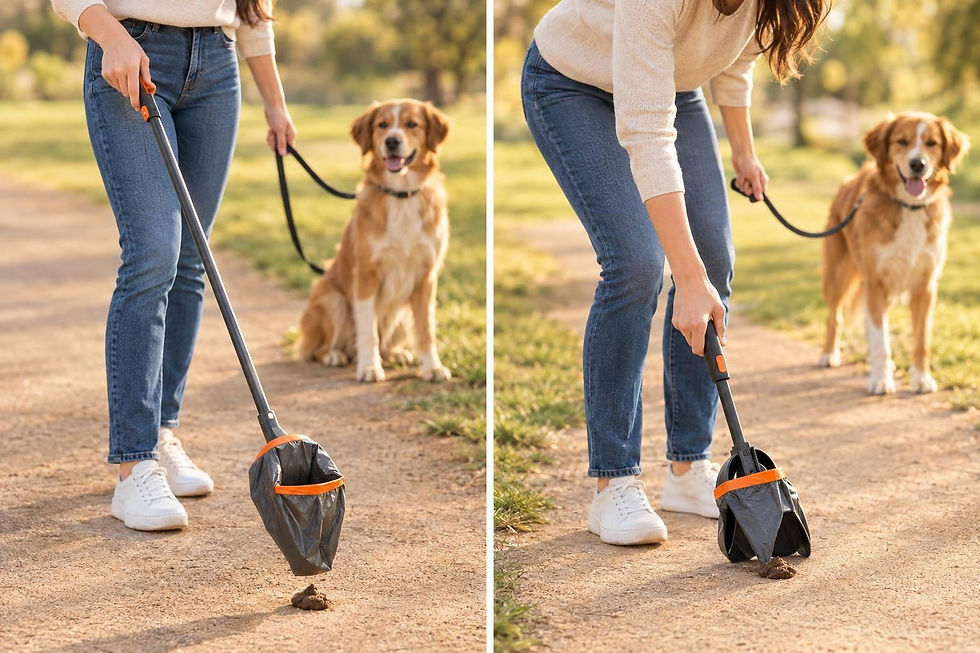
Collect waste with a scoop or an inverted bag to avoid direct contact, then tie the bag securely. Put it in a covered trash bin permitted by local rules. Don’t leave filled bags beside sidewalks or in drainage areas, and never hose feces toward storm drains.
Keep children away from visible waste until you finish picking it up. Wear gardening gloves when working in soil that may be contaminated. After cleanup or removing gloves, wash your hands with soap and running water. If those aren’t available, use hand sanitizer with at least 60% alcohol until you can wash.
Scheduled Cleanup with Doody Bug Poop Scooping
For households that want routine help, Doody Bug Poop Scooping offers scheduled cleanup in greater Houston and Tomball. The company provides weekly, twice-weekly, and one-time cleanups for residential backyards, patios, decks, and turf in these and surrounding areas. Scheduled visits help limit buildup, but households still need to pick up new waste between visits.
The company says it sanitizes tools between visits and offers optional deodorizing treatments. These are reported service practices, not proof of health outcomes. Deodorizing doesn’t replace waste removal or handwashing. Neither treatment nor tool sanitation proves that a yard is pathogen-free.
Conclusion: Remove Waste and Understand the Evidence
Dog waste can add bacteria to soil, and runoff can carry that contamination into waterways. But detecting contamination doesn’t prove disease transmission. Risk depends on the organism, dose, exposure route, and person exposed.
For Houston-area households, picking up waste promptly, bagging it securely, disposing of it properly, washing hands, and keeping children away from visible waste help reduce contact and runoff.
The goal is cleaner outdoor spaces, not sterile soil.
FAQs
How long can dog waste bacteria survive in soil?
Dog waste may decompose in about nine weeks, but the germs it leaves in soil can last much longer. Bacteria and parasites can survive for days to years, depending on the pathogen and conditions.
Roundworm and whipworm eggs can stay infectious for years. Parvovirus can persist for more than six months, while E. coli and Salmonella typically survive for days to several months.
When can children play where dog waste was removed?
Children can play after dog waste is removed, but cleanup doesn’t eliminate all risk. Pathogens may remain in the soil where the waste sat.
Remove waste the same day or the next day, then continue with weekly or twice-weekly cleanup to help reduce the buildup of harmful bacteria and parasites. Regular removal also limits the spread of contaminants during barefoot play and mowing.
Should I test my yard for fecal bacteria?
Soil testing is the most reliable way to check whether your yard is still contaminated after dog waste removal. Harmful bacteria and parasites can remain in the soil for months or even years, depending on moisture and temperature.
Doody Bug Poop Scooping provides regular waste removal and deodorizing treatments in Houston and Tomball to help keep your outdoor space clean and safe for your family and pets.


Comments