
5 Tips for Managing Pet Waste in Multi-Dog Homes

If you have more than one dog, you need a set cleanup system. One dog can produce about 200 to 275 pounds of waste per year. With three dogs, that can hit about 825 pounds per year. That much waste can lead to smell, lawn damage, and bacteria in the yard if you fall behind.
Here’s the short version: I’d stick to daily pickup for 3+ dogs, train dogs to use one bathroom area, keep a small waste station ready, rinse and deodorize the yard on a set schedule, and use a poop removal service if the job starts taking too much time.
- Set a pickup routine: 1–2 dogs usually need 2–3 pickups per week; 3+ dogs often need daily or twice-daily cleanup.
- Use one potty zone: It cuts down on search time and keeps mess in one place.
- Use the right tools: A scooper, bags, gloves, and a lidded bin make cleanup easier.
- Clean the yard, not just the poop: Residue, smell, and parasite risk can stay behind after scooping.
- Get help if needed: A service can make sense when waste starts piling up or your yard has many problem spots.
Quick Comparison
Tip | What I’d do | Best for |
Pickup routine | Clean on a fixed schedule | All multi-dog homes |
One bathroom spot | Train dogs to go in one area | Yards with scattered waste |
Waste station | Keep tools and bags in one place | Faster daily cleanup |
Yard cleaning | Rinse and deodorize often | Smell control and dirty spots |
Pro service | Schedule weekly or twice-weekly visits | 3+ dogs or busy households |
The main point is simple: steady cleanup beats letting it pile up.
sbb-itb-1f9eab4
Why Pet Waste Management Gets Harder with Multiple Dogs
The problem isn't just more poop. It's more cleanup, more often, and less room for error.
With multiple dogs, waste piles up fast. So does cleanup time. A job that takes 5 minutes for one dog can stretch to 20 minutes or more in a yard with several dogs.
Some dogs make this even tougher. Large breeds leave more waste. Puppies can be messy in a different way, since their stools are often less consistent while they settle into a new diet. That makes it easier for bacteria and parasites like Giardia to spread. In many homes, the first 30 to 60 days after a new dog arrives are the roughest.
There's also the yard itself to think about. Dogs tend to use the same spots again and again, which turns parts of the lawn into repeat problem areas. Those sections can lose grass, hold waste, and stay dirty longer. Add heavy foot traffic, and the soil gets compacted, drainage slows down, and rain does less to move anything along.
The health side gets serious fast. A single gram of dog waste contains about 23 million fecal coliform bacteria. In a shared yard, the gap between one dog shedding parasites and another dog running into them can get very short. Roundworm eggs can become infectious in soil within 2 to 4 weeks. That's why a fixed pickup routine needs to come first.
1. Set a Consistent Waste Pickup Routine
A set schedule makes a multi-dog yard much easier to manage. And when you have more than one dog, that rhythm matters fast.
How often you need to pick up depends on your dog count. For 1–2 dogs, a good starting point is 2–3 pickups per week. Once you get to three or more dogs, daily or twice-daily pickup is often needed to keep odor and bacteria down. Miss even one day, and you can end up with clear odor issues and parasite risk within 48 hours.
Here’s a simple baseline to use:
Dog Count | Pickup Frequency | Estimated Time per Week (DIY) |
1 dog | 2–3 times per week | 15–20 minutes |
2 dogs | 3 times per week to daily | 25–30 minutes |
3+ dogs | Daily or twice-daily | 35–50 minutes |
One easy trick: tie pickup to something you already do every day, like your morning coffee. That way, it becomes part of the routine instead of one more chore hanging over your head.
Start with the potty spots dogs use most, especially the areas close to the house. In hot weather, or when rain is on the way, clean up early. That helps cut down on flies, odor, and runoff.
Once that habit is in place, the next move is getting your dogs to use the same bathroom area. A routine like this works best when waste comes from one set potty zone.
2. Train Dogs to Use One Bathroom Spot
Once you’ve got a pickup routine down, the next move is simple: train every dog to use the same bathroom spot. Take each dog to that area every time, use the same cue, and give a reward when they go there. That little bit of training pays off fast. When waste is spread all over the yard, cleanup turns into a slow scavenger hunt. One set spot makes scooping much faster.
For a high-use potty area, materials like gravel, mulch, or artificial turf tend to work well because they drain better and are easier to clean. After scooping, hose the area down. Then use a pet-safe deodorizer once a week to help keep odor under control. It also helps to store bags, a scoop, and deodorizer close by, so the whole job stays quick.
If you have three or more dogs, switch or rest the spot with the seasons so the ground has time to recover from waste buildup.
3. Use the Right Tools and Set Up a Waste Station
When all your dogs use the same potty spot, cleanup gets a lot easier if you have the right setup. A small, dedicated tool kit can make a big difference in a multi-dog home.
Use a long-handled rake and pan to save your back and make those regular sweeps faster. In homes with three or more dogs, that time savings can add up to about 70 to 120 minutes per week.
Match the tool to the surface:
- Use a rake-style scooper for grass
- Use a spade-style scooper for hard surfaces
- Use a claw-style scooper for fast one-handed pickups
Once you’ve got the right scooper, the next job is keeping smell down and your tools clean.
Odor and Bacteria Control
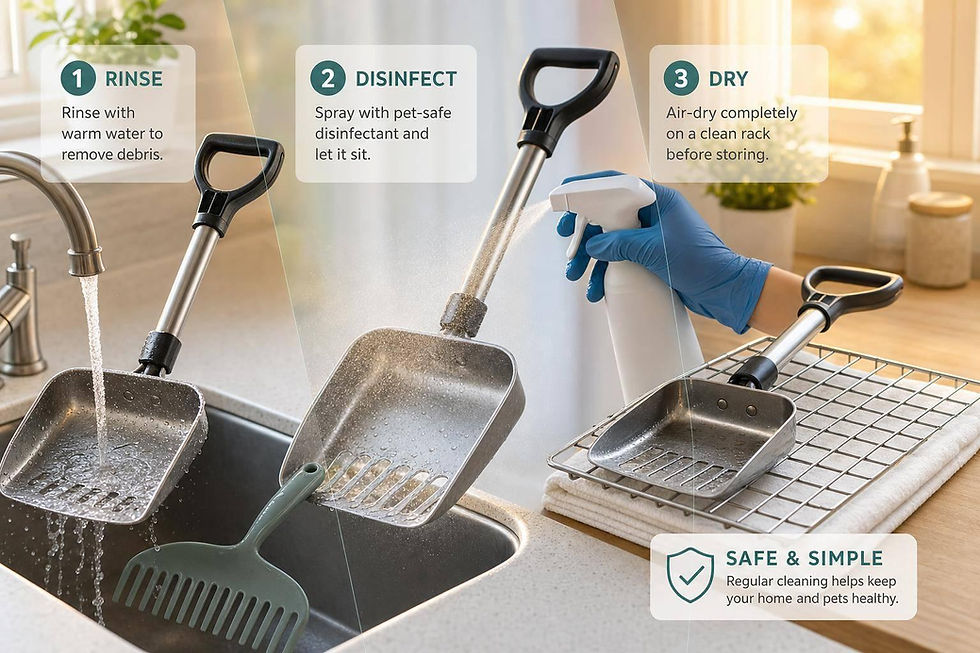
Use an enzymatic cleaner for odor and a pet-safe disinfectant to clean your tools between uses. That helps cut down on cross-contamination in a yard shared by multiple dogs.
Setting Up Your Waste Station
Set up a sealable, foot-pedal outdoor bin in a shaded area away from the house. Then place bag dispensers near the yard entry or garage door. When supplies are easy to see and close at hand, it’s much easier to stay on top of cleanup.
Ongoing Cost
Bulk poop bags cost about $15.99, and cleaning concentrate usually runs $20 to $30. In a multi-dog home, that concentrate tends to last 6 to 8 weeks.
If your home goes through 10 or more bags a day, bulk packs can help lower the cost and make sure you don’t run out.
A waste station takes care of day-to-day pickups. The next step is sticking to a regular yard-cleaning schedule.
4. Clean and Deodorize the Yard on a Regular Schedule
Once scooping becomes part of the routine, the next step is dealing with what’s left behind in the soil and on the surface. Regular pickup helps a lot, but it doesn’t remove everything. Soil and leftover residue can still hold bacteria, parasite eggs, and odor even after the waste is gone.
The goal isn’t just to remove poop. It’s to stop residue from piling up between cleanups. For homes with 1–2 dogs, a surface rinse and deodorizer 2–3 times per week usually does the job. If you have 3 or more dogs, it’s better to clean the surface daily or every other day.
Yard Sanitation and Dog Count
Use a pet-safe yard deodorizer once a week in high-traffic areas, especially in summer when heat makes smells hit harder. If you have 3 or more dogs, it helps to keep sanitation centered on one designated potty zone. That makes cleanup easier and helps the deodorizer work better.
Doody Bug Poop Scooping also offers scheduled deodorizing treatments.
When daily upkeep starts slipping, professional service is the next practical move.
5. Bring in a Professional Pet Waste Removal Service
When yard cleanup starts eating up hours every month, a recurring service can stop the pileup. In a home with multiple dogs, that can save a surprising amount of time. If the routine from the first four tips still leaves you behind, scheduled service is the next move.
Odor and Bacteria Control
Cleanup is only part of the job. Pros also catch the waste that DIY scooping often misses. Crews usually work in a grid pattern, which helps them find piles tucked under bushes or sitting along fence lines. Weekly removal also helps interrupt roundworm spread, since eggs can become infectious in soil within 2–4 weeks. Doody Bug Poop Scooping sanitizes tools between visits and offers deodorizing treatments to cut down odors and microbes.
Scheduled service makes the most sense when waste is spread across a large yard or across multiple potty zones.
Ongoing Cost
Monthly pricing depends on how often visits happen and how many dogs you have. Doody Bug’s weekly plan starts at $19/week, plus $3 for each additional dog. A one-time cleanup includes a $30 trip charge plus a prorated $60/hour rate. Doody Bug offers weekly, twice-weekly, and one-time cleanup, with pricing tied to visit frequency and dog count.
For a quick setup checklist, use the table below.
Tool and Waste Station Setup: Quick Reference Table
Use this quick reference table to set up a waste station that makes multi-dog cleanup faster and less of a hassle.
Tool / Item | Typical Use in Multi-Dog Homes | Main Benefit | Possible Drawback | Approx. U.S. Price Range |
Long-Handled Scooper | Daily yard sweeps on various terrains | Helps protect your back and cuts cleanup time | Can be bulky to store; spring parts can wear out over time | $20 – $45 |
Rake and Pan | Gathering waste from grass or mulch | Works well for combing through thick turf and spotting hidden piles | Needs two hands; doesn’t work as well on flat concrete | $25 – $50 |
Outdoor Lidded Trash Can | Centralized waste storage between trash days | Helps contain odors and keeps pests out | Fills up fast with multiple dogs; can get heavy and smelly in hot weather | $30 – $150 |
Biodegradable Waste Bags | Individual pickups and bin lining | Lower cost when bought in bulk; handy for frequent pickups | May tear if overfilled; shelf life is shorter than standard plastic | $15 – $40 (Bulk) |
Gloves (Nitrile/Rubber) | Hygiene during scooping and tool cleaning | Helps avoid direct contact with pathogens and parasites | Disposable pairs add more trash; reusable pairs need routine washing | $10 – $25 (Box/Pair) |
Enzymatic Yard Cleaner | Treating turf, patios, and high-traffic zones | Breaks down protein-based stains and odor sources | Needs another application after rain | $20 – $50 (Concentrate) |
Once the station is stocked, the next call is simple: figure out whether DIY cleanup still makes sense.
DIY Cleanup vs. Professional Service: Side-by-Side Comparison
Once your waste station is set up, this is the part that tends to make or break the plan: can you keep up with cleanup day after day? After the pickup routine and potty-spot setup, the next step is deciding whether daily DIY cleanup still works with your schedule.
Use the comparison below to pick the simplest option that you can stick with.
Factor | Daily DIY Pickup | Weekly Service | Twice-Weekly Service |
Estimated Time Spent | 1.5–2.5 hrs/week | Minimal | Minimal |
Cleanliness Level | High if you stay on schedule | Moderate (7 days of accumulation) | High (frequent removal) |
Odor Control | Excellent with daily removal | Fair (odors build between visits) | Good (minimal buildup) |
Best Fit by Dog Count | 1–2 dogs | 2 dogs | 3+ dogs |
The hard part with DIY isn't the task itself. It's staying consistent. Miss even one weekend, and the yard can turn into a backlog that takes hours to clear.
For homeowners in the greater Houston and Tomball area, Doody Bug Poop Scooping offers weekly, twice-weekly, and one-time cleanup.
If you stick with DIY cleanup, the next section covers the tools and waste-station setup that help you move faster.
Seasonal Yard Sanitation Schedule
Once your pickup routine is in place, tweak it based on weather and how much traffic your yard gets. Heat, rain, and heavy use can make waste pile up faster and leave more residue behind. So this schedule works best on top of your daily scoop routine, not instead of it.
Season/Condition | Pickup Frequency | Hosing & Deodorizing |
Hot summer | Daily or twice-daily | Rinse high-use spots after each pickup; apply pet-safe deodorizer weekly |
Cooler months | Every other day or 2–3 times per week | Hose spots weekly; apply deodorizer as needed |
Rainy periods | Scoop before forecasted rain, then again after | Hose down areas once rain stops to clear residue |
High-traffic yards (3+ dogs) | Twice-daily (DIY) | Disinfect tools weekly; deep-clean artificial turf monthly |
Warm climates (e.g., Texas) | Minimum twice-weekly | Frequent rinsing of turf to dilute nitrogen and odors |
Think of this table as your starting point. From there, adjust based on what your yard is dealing with that week.
After rainy weather, it makes sense to rinse more often. In cooler months, you’ve got a good chance to scrub fence lines, bushes, and other easy-to-miss spots that don’t always get attention during regular pickups. And if odor starts creeping in between cleanups, a pet-safe deodorizer can help keep things under control.
The big takeaway here is simple: steady upkeep beats one big cleanup.
Conclusion
Put together, these steps make waste control in a multi-dog yard much easier to handle. The big three are simple: routine, containment, and steady sanitation.
If you have three or more dogs, a scheduled service can take a lot of pressure off. When your cleanup routine starts to slip, regular service helps keep everything on track. Doody Bug Poop Scooping offers scheduled cleanup and deodorizing services across the greater Houston and Tomball area. That can make a big difference when day-to-day scooping starts falling behind.
The goal isn't perfection. It's a yard that stays safe, clean, and usable.
FAQs
How do I choose the best pickup schedule?
Choose based on your household’s needs: the number of dogs, the size of your yard, how often people use it, and your local weather.
For 1–2 dogs in a medium-to-large yard, weekly service is often enough. If you have 3 or more dogs, a smaller yard, or people are out in the yard all the time, twice-weekly service can help cut down on buildup, odors, and lawn damage. In Houston’s heat and humidity, you may need service more often during the summer.
What if my dogs won’t use one potty area?
Stick with steady training and positive reinforcement. For the first few weeks, bring your dogs to the same designated spot on a leash and give them a reward as soon as they use it.
If one area starts to look worn out or overused, block it off for a bit and guide them to a nearby patch so the grass has time to recover. And if waste still ends up scattered across the yard, Doody Bug Poop Scooping can help keep the space clean and safe.
When should I hire a poop removal service?
Consider hiring a professional service if the job starts to feel like too much, waste keeps piling up, or you find yourself avoiding parts of your yard. That can be a big help in busy multi-dog homes or in small yards, where waste adds up fast.
Doody Bug Poop Scooping offers scheduled dog waste removal in the greater Houston and Tomball areas, with:
- Weekly cleanups
- Twice-weekly cleanups
- One-time cleanups


Comments